Paralog
noun and adjective (n. / adj.)
Definition
What is paralogous qualifies genes derived from multiple copies that have evolved independently, as opposed to orthologous or homologous genes.
A paralogous gene is related to a second gene by descent from a common ancestral DNA sequence following duplication. The term homologous can apply to the relationship between genes separated by a speciation event (ortholog) or to the relationship between genes separated by a genetic duplication event (paralog).
Paralogous structure
As with anatomical structures, sequence homology between protein or DNA sequences is defined in terms of shared ancestry. Two DNA segments may share ancestry due to a speciation event (orthologs) or a duplication event (paralogs). Homology among proteins or DNA is generally inferred from their sequence similarity.
Significant similarity is strong evidence that two sequences are related through divergent evolution from a common ancestor. Multiple sequence alignments are used to indicate which regions of each sequence are homologous.
Paralogy and orthology are contrasted and complement homology, xenology, and gametology in evolutionary genomics.
Orthologs
Orthologs are genes in different species derived from a common ancestral gene. Paralogs are gene copies created by a duplication event within the same genome.
Whereas orthologous genes have retained the same function, paralogous genes often develop different functions due to the lack of selective pressure on one copy of the duplicated gene.
Homologous sequences
Homologous sequences are orthologous if they descend from the same ancestral sequence separated by a speciation event: when a species diverges into two distinct species, the copies of a single gene in the two resulting species are said to be orthologous. The term "ortholog" was coined in 1970 by molecular evolutionist Walter Fitch.
Homologous sequences are paralogous if they were created by a duplication event in the genome. For gene duplication events, if a gene in an organism is duplicated to occupy two different positions in the same genome, the two copies are paralogous.
Paralogous genes often belong to the same species. They can shape the structure of entire genomes and thus largely explain genome evolution. Examples include homeobox (Hox) genes in animals. These genes have undergone not only gene duplications within chromosomes, but also whole-genome duplications. As a result, Hox genes in most vertebrates are distributed across multiple chromosomes: the HoxA-D clusters are the best studied.
Synonyms, antonyms
Spanish translation: parálogo
0 synonyms (similar meaning) for "paralog".
2 antonyms (opposite meaning):
Related words and expressions to PARALOG are directly connected by general or specific meaning.
The word PARALOG is listed on page 1 of words starting with P in the dictionary glossary.
Related to "paralog"
homologous
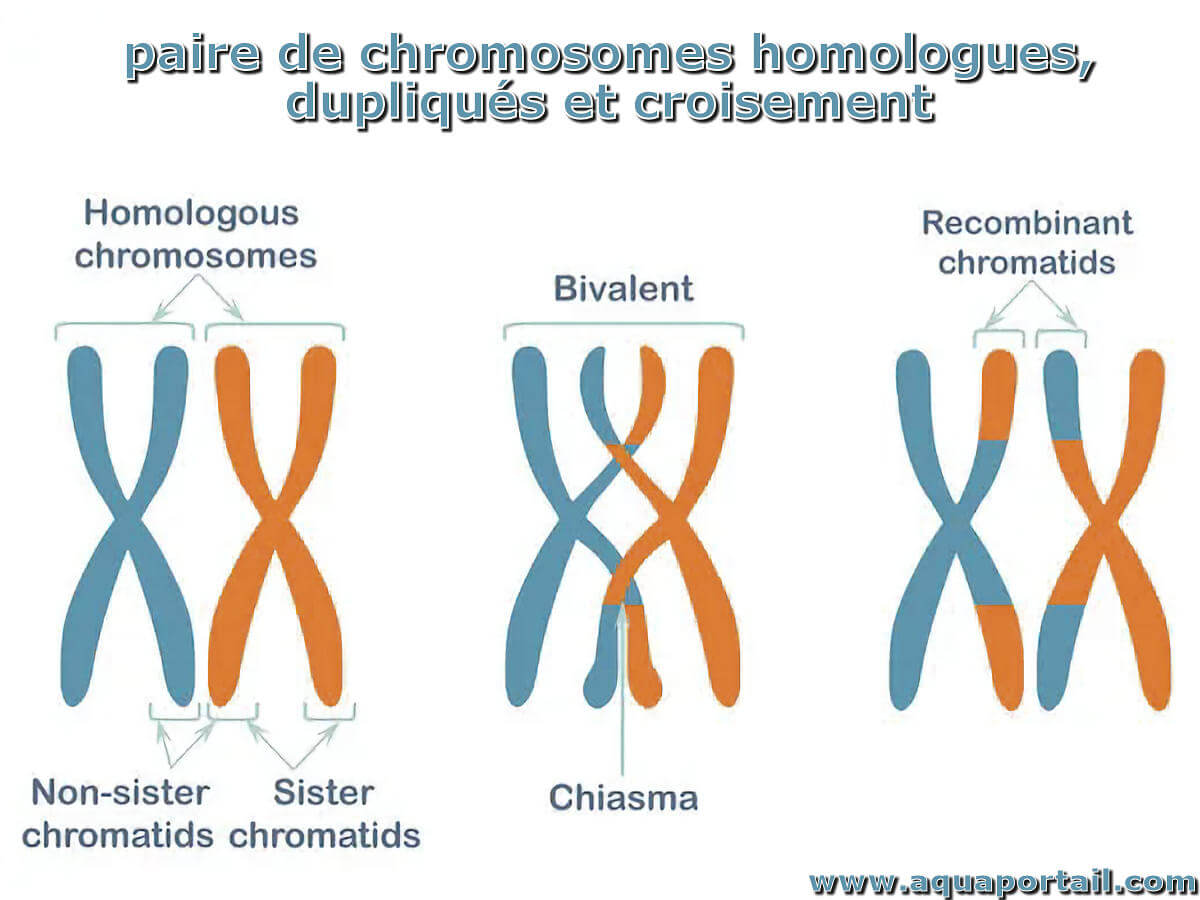
In biology, homologous describes traits or structures inherited from a common ancestor (resulting from homology).
homology

Homology consists in identifying a shared character—homologous across multiple living organisms—inherited from their common ancestor.
parallel evolution

In biology, parallel evolution, or biological parallelism, is an evolutionary phenomenon in which two distinct branches within a clade (group of species)...
P680-P700
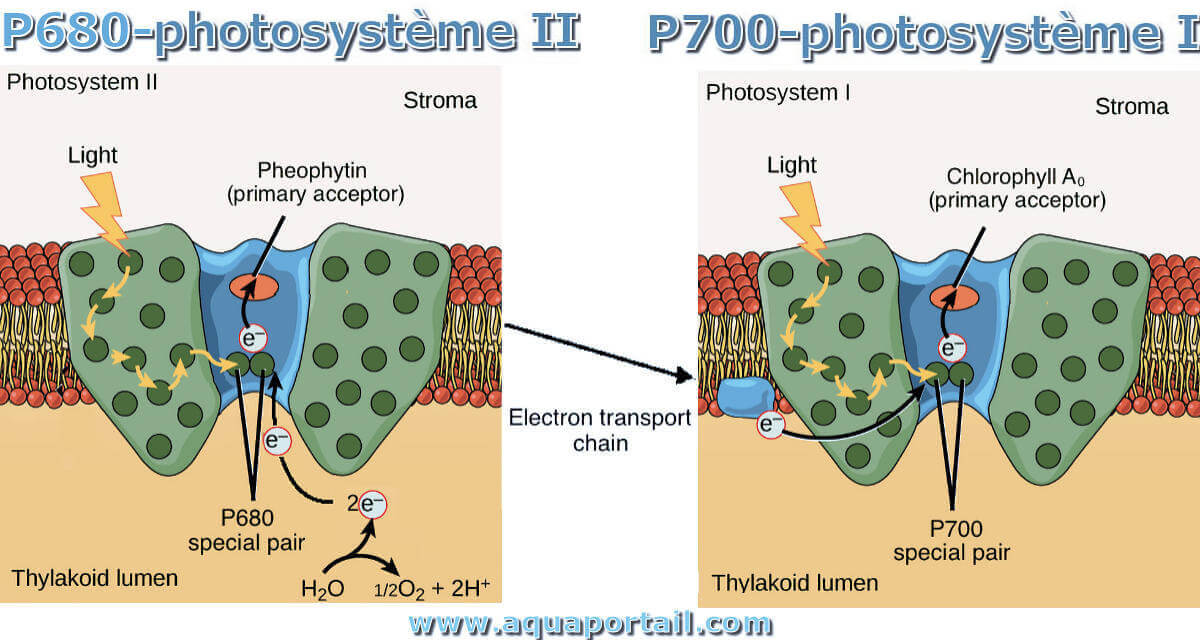
P680-P700 is an association of chlorophyll a molecules absorbing at 680 nm and 700 nm, respectively, possessing particular photochemical properties.
