Heterokont
noun and adjective (n. / adj.)
Definition
A heterokont (stramenopile) is a eukaryote with swimming cells, of the domain Heterokonta, equipped with an anterior flagellum bearing tripartite tubular mastigonemes and a smooth posterior flagellum or one bearing filaments. This second flagellum may be absent or extremely reduced.
Two heterokonts:
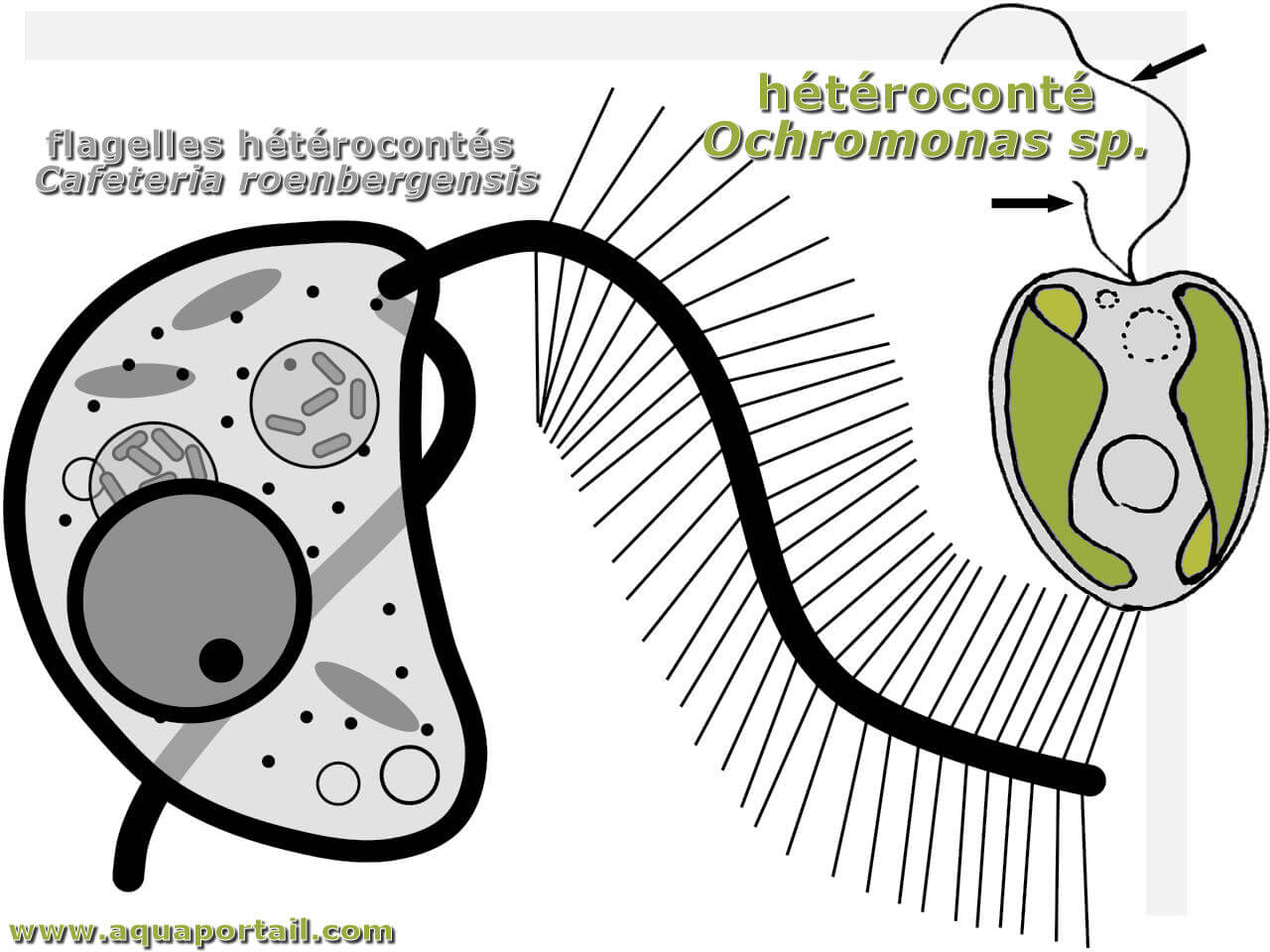
On the left, schematic drawing of Cafeteria roenbergensis (Bicosoecids) with heterokont flagella: the anterior flagellum has tripartite hairs or mastigonemes and the posterior flagellum is smooth without hairs. On the right, Ochromonas sp. (Chrysophyceae) with two unequal flagella (heterokont), though the mastigonemes are not shown.
General explanations
A heterokont organelle was originally an adjective describing a swimming cell whose two flagella were different, a meaning now reserved for the adjective anisokont. The spelling "heterokont" originates from the Greek where "k" is used.
Heterokont describes a cell with two different flagella, in size or any other character. Contrasts with isokont.
Heterokont algae are Ochrophytes sometimes classified in the clade Heterokontophyta.
Heterokonta lineage
Heterokonts (Heterokonta) or stramenopiles (Stramenopiles) are a major evolutionary lineage of eukaryotes (Eukarya), with 25,000 described species. The term "heterokont" refers to the presence of unequal flagella, characteristic of the group. The group includes very diverse organisms, from unicellular algae such as diatoms, which are major components of plankton, to multicellular brown algae, among which are kelps, a type of giant algae that forms underwater forests.
Other notable members are oomycetes (generally parasites), which superficially resemble fungi and include Phytophthora, responsible for the blight that devastated potato crops in Ireland in the 19th century causing a great famine, and Pythium which causes seed rot.
See also cell wall, and particularly the section on the cell wall of heterokont fungi with oomycetes.
See also a desmokont dinoflagellate with a dinokont arrangement.
Stramenopiles
The Stramenopiles group (chromists, Chromista) consists of eukaryotic species that possess two flagella of different formation. The group mainly comprises photosynthetic organisms, including some of the major active photosynthetic types on Earth. Most species are unicellular, but with brown algae, there are also highly differentiated multicellular forms.
Stramenopile Dictyocha speculum:
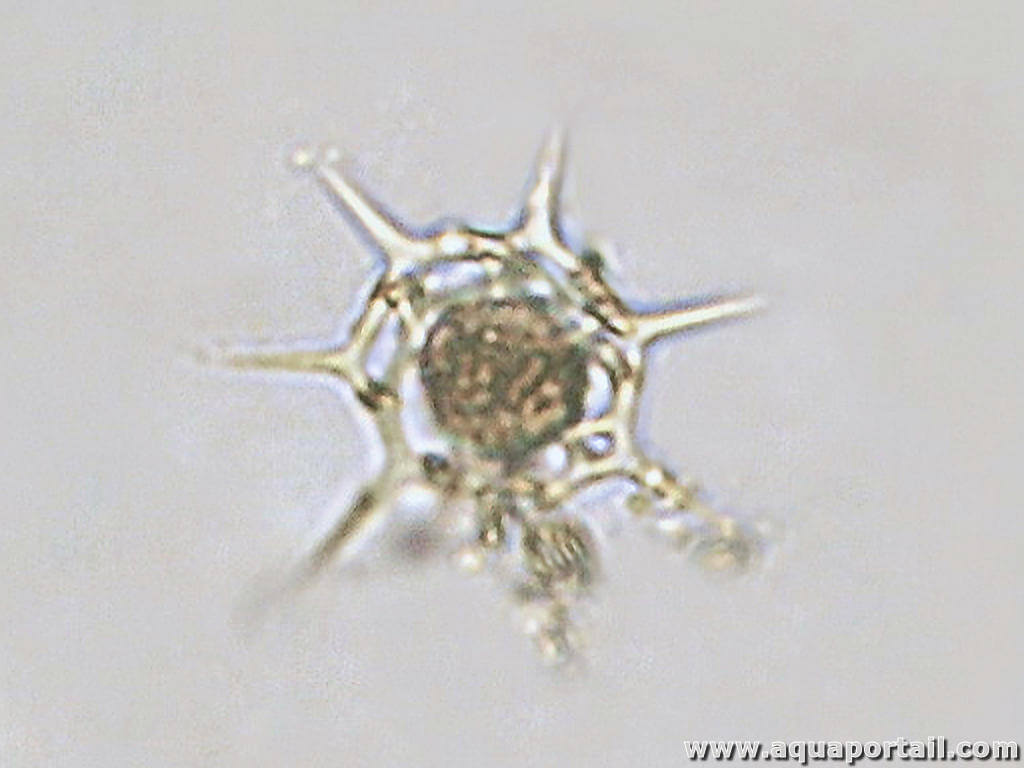
The stramenopile Dictyocha speculum has motile cells that generally have two different flagella: it is heterokont.
Four microtubules attach to the root of the kinetosome. The mitochondria possess characteristic tubular cristae.
Most stramenopiles are photoautotrophic, although some lineages have secondarily lost the capacity for photosynthesis.
Origin of heterokonts
The chloroplasts of heterokonts (stramenopiles) do not originate from the endosymbiosis of cyanobacteria, as is the case for most other algae, but were obtained by secondary endosymbiosis of eukaryotes, probably red algae. This developmental step probably took place about 1.2 billion years ago.
Synonyms, antonyms
Spanish translation: heteroconto
1 synonym (similar meaning) for "heterokont":
1 antonym (opposite meaning):
Related words and expressions to HETEROKONT are directly connected by general or specific meaning.
The word HETEROKONT is listed on page 1 of words starting with H in the dictionary glossary.
Related to "heterokont"
eukaryote

A eukaryote is an organism whose cells possess a true cell nucleus surrounded by an envelope with DNA carried by chromosomes.
flagellum
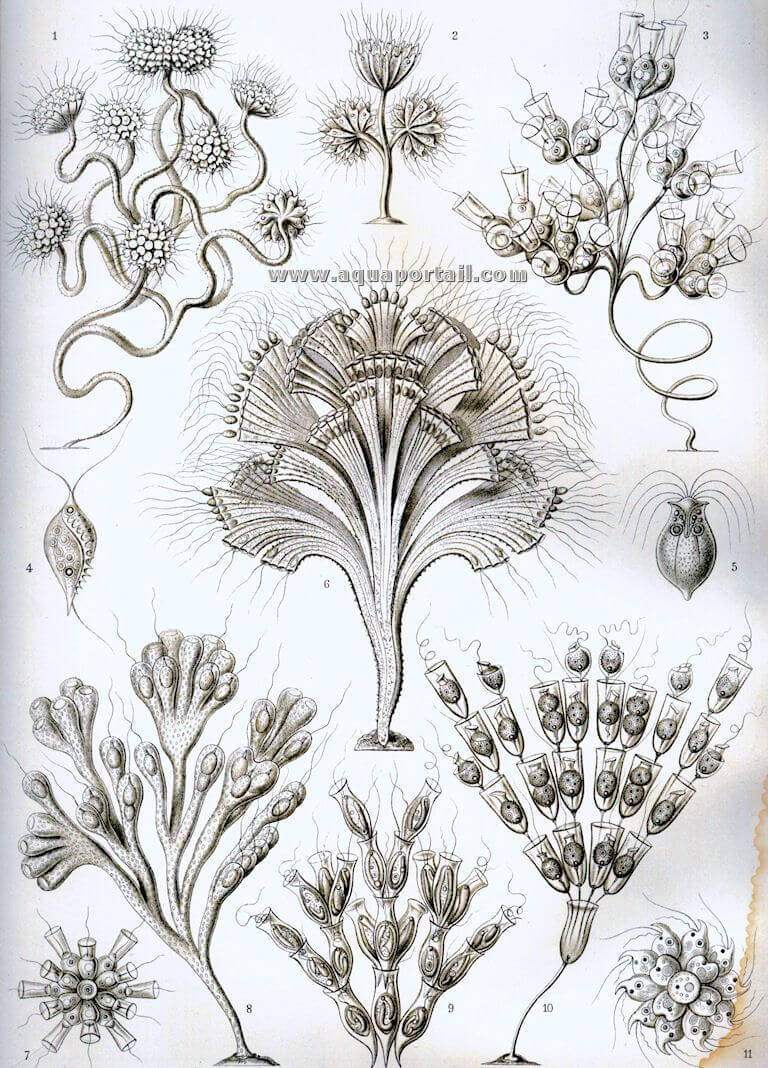
In biology, a flagellum is a motile cellular appendage equipped with a long, thin whip or tail, present in many unicellular organisms, including flagellates...
heterocyst

In filamentous cyanobacteria, a heterocyst is a thick-walled cell, lacking the usual pigmentation of this group and specialized in atmospheric nitrogen...
heterokaryote
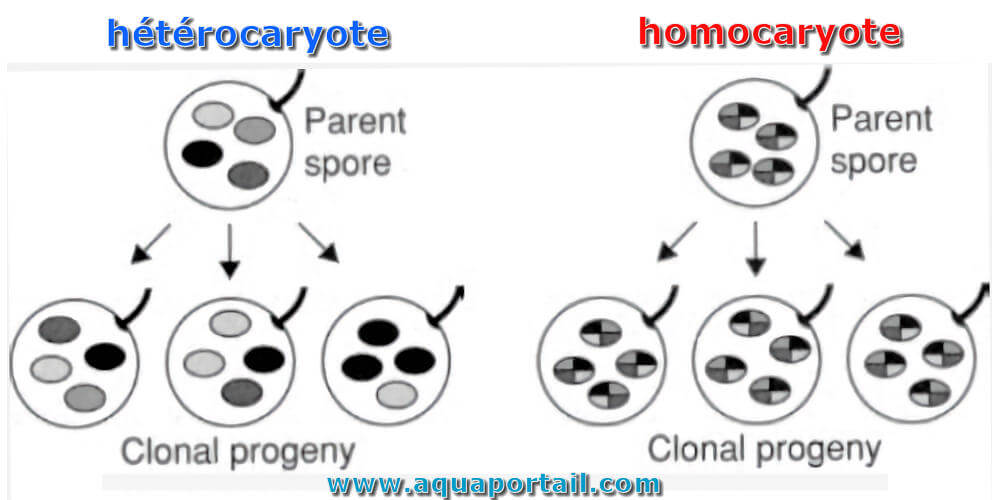
In biology, heterokaryotic describes a cell possessing at least two nuclei of different genetic origins, pertaining to heterokaryons and heterokaryotes.
