Heteroside
noun (n.)
Definition
A heteroside is a type of glycoside formed by the union of a sugar molecule and a non-carbohydrate constituent called an aglycone. In heterosides, the carbohydrate moiety is linked to an aglycone containing various types of atoms (nitrogen or sulfur) in addition to the usual carbon and hydrogen.
Salicin is a heteroside:
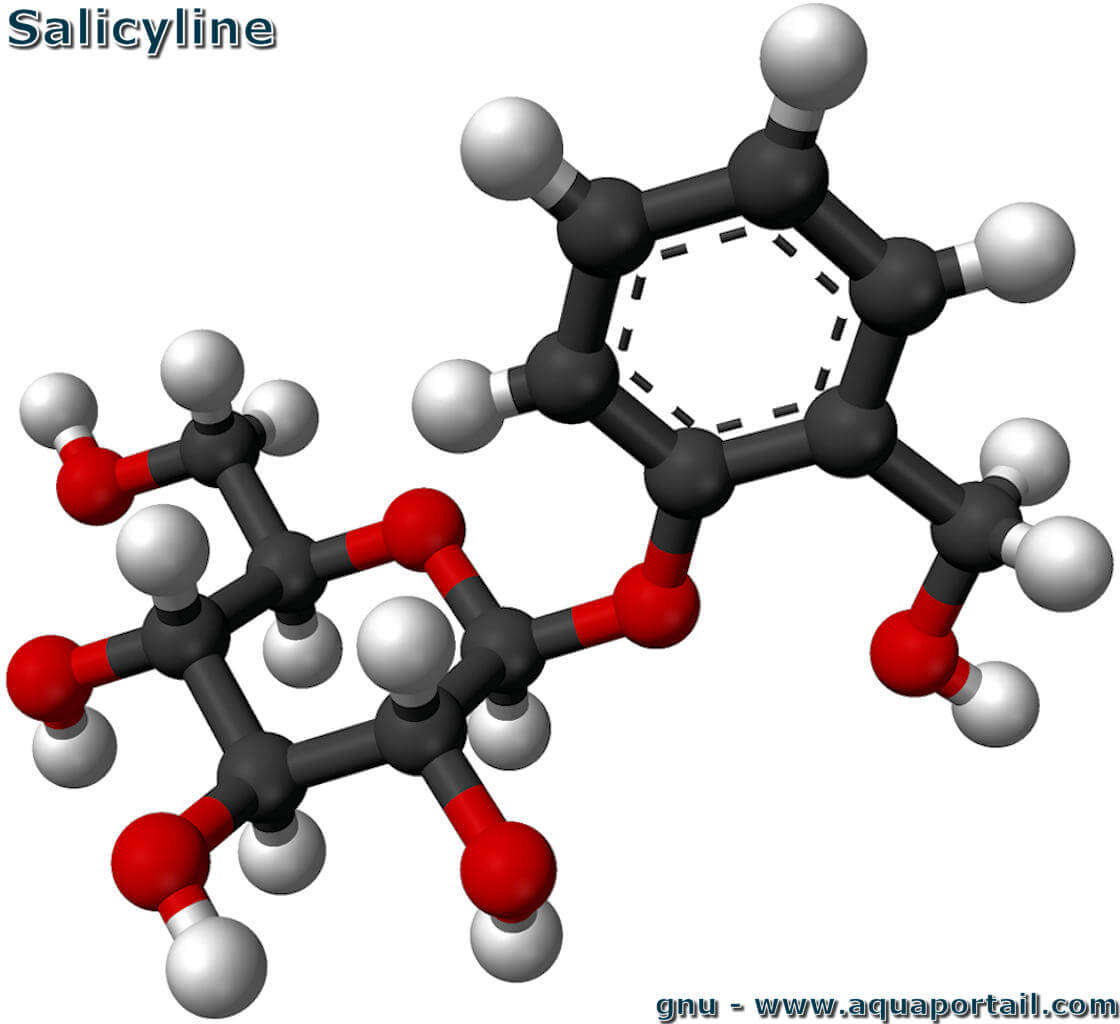
Salicin is a heteroside, in the form of a β-alcoholic glycoside. Salicin is produced in (and named for this reason after) willow bark.
Explanations
A heteroside is a glycoside that, upon hydrolysis, yields a non-carbohydrate compound as well as the glycone. Floridosides and salicosides, including salicin, are heterosides. Its counterpart is a holoside.
Heterosides are frequently found in plants. The plant Centella asiatica (Apiaceae) produces heterosides in its leaves. The active heteroside targets hydration retention, strengthening the barrier function for a smoothing and anti-wrinkle effect. Thus, it prevents dehydration by reactivating all the natural mechanisms that restructure and care for the skin barrier. It diminishes fine lines and wrinkles by improving water retention and dermal structure.
Heterosides can play an important role in living organisms. Many plants biosynthesize and store chemicals in the form of inactive heteroside-glycosides, which can be activated by enzymatic hydrolysis, releasing the aglycone (generally a secondary metabolite) and the glycone. However, certain heterosides can be synthetic, or even semi-synthetic.
🚩 Many plants among the Iridaceae contain iridins in their rhizomes, notably the corn flag. Caution is advised with this plant.
✅ Plants and algae in coastal regions can experience saline stress. Acclimation to osmotic and/or saline stress conditions induces an integrated response at different cellular levels. One acclimation strategy relies on the massive accumulation of low-molecular-weight compounds, called compatible solutes, to balance osmotic gradients and directly protect critical macromolecules.
Heterosides are compounds formed from a sugar and a polyol moiety that represent a chemical class of compatible solutes with interesting properties. Well-studied examples are glucosylglycerol, present in many cyanobacteria, and galactosylglycerols (floridoside and isofloridoside), accumulated by eukaryotic algae under saline stress conditions.
Synonyms, antonyms
Spanish translation: heterósido
2 synonyms (similar meaning) for "heteroside":
1 antonym (opposite meaning):
Related words and expressions to HETEROSIDE are directly connected by general or specific meaning.
The word HETEROSIDE is listed on page 1 of words starting with H in the dictionary glossary.
Related to "heteroside"
heterocyst

In filamentous cyanobacteria, a heterocyst is a thick-walled cell, lacking the usual pigmentation of this group and specialized in atmospheric nitrogen...
heterokaryote
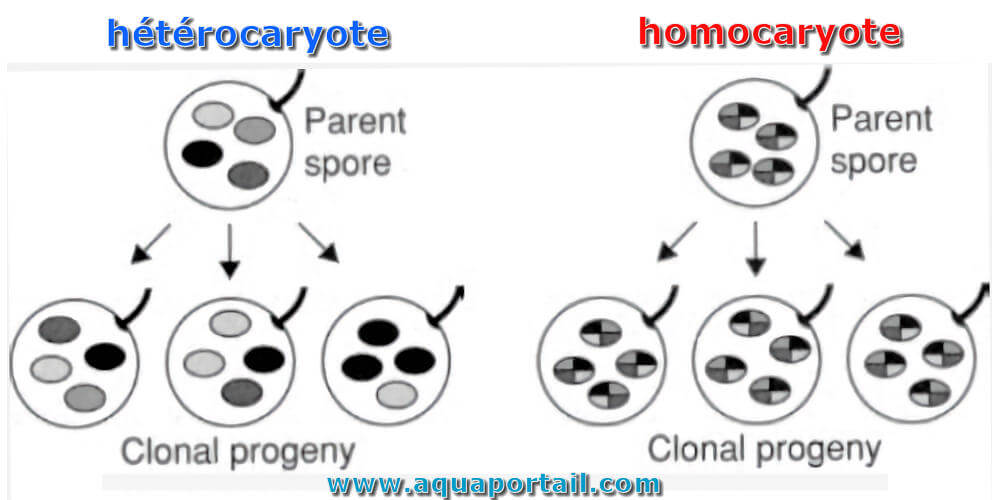
In biology, heterokaryotic describes a cell possessing at least two nuclei of different genetic origins, pertaining to heterokaryons and heterokaryotes.
heterokont
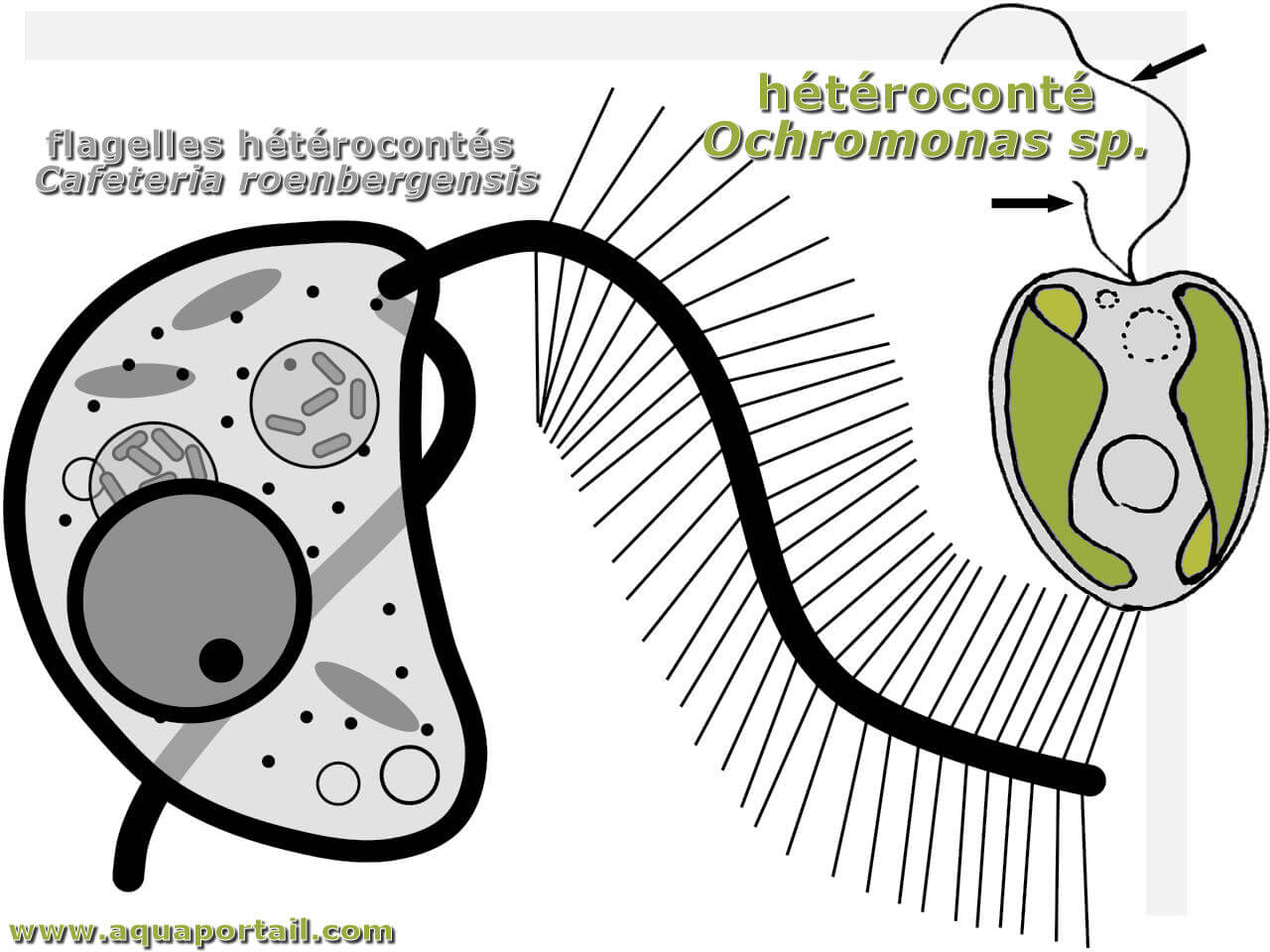
A heterokont (stramenopile) is a eukaryote with swimming cells, of the domain Heterokonta, equipped with an anterior flagellum bearing tripartite tubular...
heteromorphic

Something heteromorphic or allomorphic describes a life cycle in which the individuals making up one generation are morphologically different from those...
Simple summary
A heteroside is a chemical compound, an alpha- or beta-glycoside, resulting from the combination of the reducing group of a saccharide, generally monosaccharides, with a non-carbohydrate substance, or a molecule in which a carbon-bearing sugar is linked to another functional group.
