Altiplano
proper noun
Definition
The Andean Altiplano is a unique high-altitude plateau extending across west-central South America, where the Andes Mountains are widest and most ecologically diverse. The word comes from Spanish meaning high plateau. The Bolivian Altiplano is sandwiched between the Western and Eastern Cordilleras of the Andes.
A vicuña in the Altiplano:
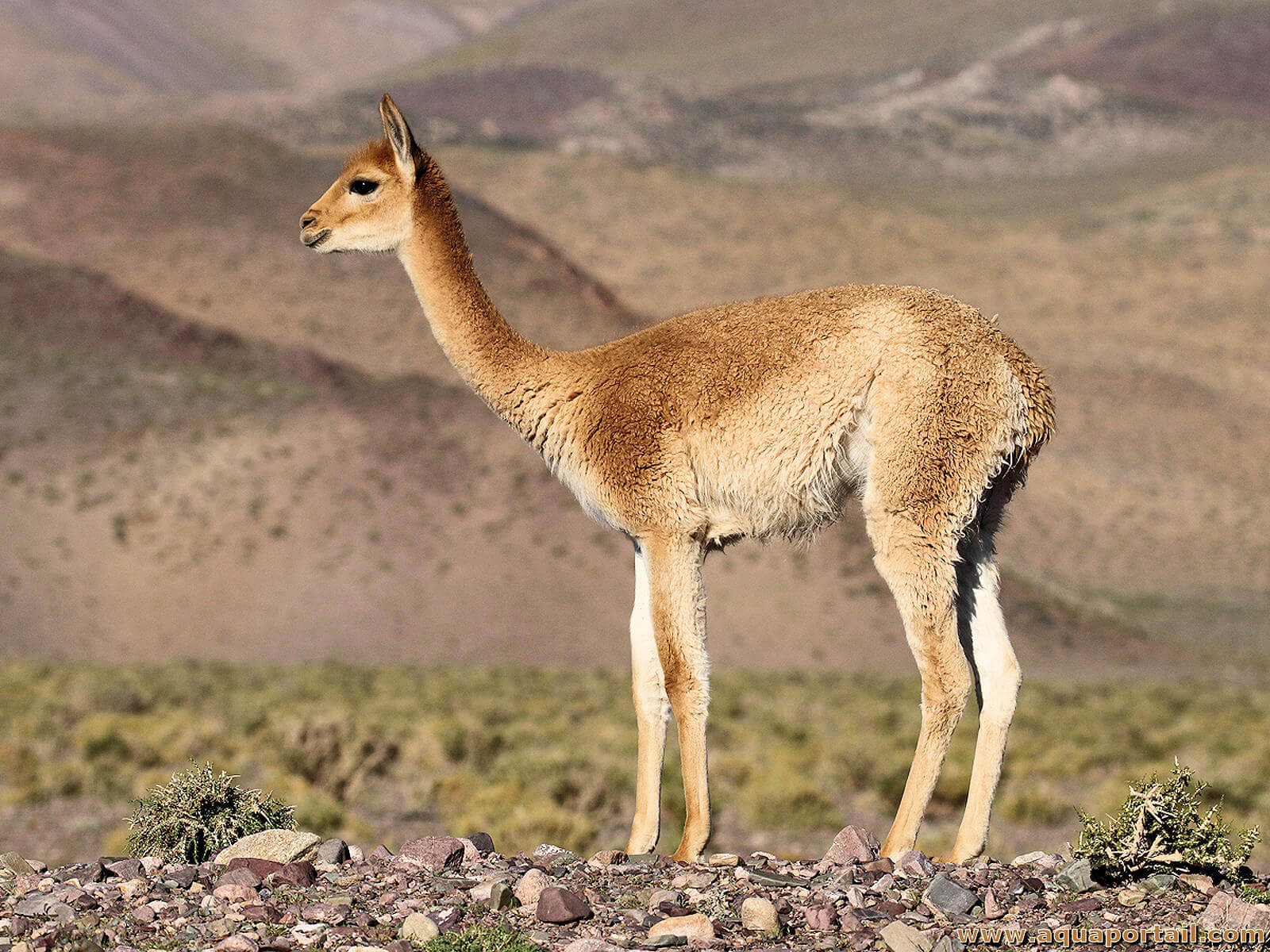
Despite its high altitude, abundance and life thrive even in the most unlikely places of the Andean Altiplano. The vicuña is an iconic animal of the Altiplano.
Explanations
Nestled between two rugged mountain ranges of the Andes, the Altiplano is a vast, windswept plateau stretching over 900 kilometers (560 mi) from southern Peru to northern Argentina. Most of these arid highlands, with an average elevation of about 3,750 meters (12,300 ft), lie in western Bolivia, where its surface is dotted with a series of breathtaking natural attractions. From snow-white crystals of the world's largest salt flats and flocks of pink flamingos in a brick-red lake to the striking azure-blue waters of Lake Titicaca, the highest navigable lake on the planet, the Altiplano offers spectacular, vividly colored views for intrepid travelers. You could easily spend a month exploring this region, or get a tantalizing one-week taste as part of a larger journey across South America, as we did in 2016 when we started in Peru and ended in Patagonia.
⭐ The Altiplano is a natural wonder, with its glittering salt flats, colorful expanses of desert landscapes, and charming German-style colonial settlements. Volcanoes, lagoons, and lush oases dot the high plateau, offering a dazzling daily variety of sights, sounds, and experiences.
The Altiplano is sandwiched between the Western and Eastern Cordilleras of the Andes. The eastern range is called the Cordillera Real. The Andes are the classic example used in introductory geology courses to illustrate how subduction of an oceanic tectonic plate beneath a continental plate builds mountains. However, this standard geological explanation fails to account for the high elevation of the Altiplano, which remains the subject of vigorous debate.
The high topography of most mountain ranges and plateaus is supported by a very thick continental crust. Where two plates converge, the crust is shortened by stacking one crustal sheet atop another along a thrust fault, thereby thickening it. The 70 km (43.5 mi) thick crust beneath the Altiplano is among the thickest on the planet. Yet geologists have been able to document only about 120 km (75 mi) of crustal shortening along thrust faults in the northern Altiplano—roughly half the amount required to produce such thick crust. An additional mechanism must have been at work here. One leading hypothesis is that as thrust faults thickened and heated the crust beneath the adjacent Andes, the lower crust began flowing toward the Altiplano like taffy, thickening the crust and providing the extra buoyancy needed to lift the plateau so high.
Yet even crustal flow is not enough to fully explain the great height of the Altiplano. To obtain a more complete picture of the Altiplano's uplift history, geologists have used a variety of paleoaltimeters, such as oxygen isotopes, clumped carbon and oxygen isotopes, and leaf-margin analysis of fossil leaves. Oxygen isotopes become lighter at high altitude, and the degree to which heavy carbon and oxygen isotopes clump together is a function of temperature, which varies with elevation. Temperature also dictates the percentage of tree leaves with toothed versus smooth margins. Results indicate that the southern Altiplano rose first, around 16 million to 9 million years ago, followed by the central Altiplano around 10 million to 6 million years ago.
The northern Altiplano, by contrast, reached its present elevation of 4,000 meters (13,120 ft) only 5 million years ago. Moreover, the entire plateau rose after the period of peak plate compression, which occurred about 50 to 20 million years ago. If the Geology 101 explanation were accurate, the timing of uplift should match that period of maximum compression.
✅ Illimani is the highest peak in the Cordillera Real of the Andes and towers over La Paz, the highest capital city in the world. Located near the northern edge of the Altiplano straddling the border between Bolivia and Peru, Lake Titicaca is the largest lake in South America in both surface area and volume. On Bolivia's southern Altiplano, another extraordinary high-altitude attraction awaits: the Salar de Uyuni, the largest salt flat in the world. In contrast to the cobalt-blue waters of Titicaca, the salt-encrusted surface of the salar, covering over 10,000 square kilometers (3,860 sq mi), is blindingly white.
The leading alternative hypothesis attributes the rise of the Altiplano to a different mechanism: the detachment and sinking of a dense drip of mantle lithosphere from the base of the South American plate. The lithosphere consists of the entire crust plus the cooler, more rigid uppermost portion of the mantle. Below about 100 to 200 km (62 to 124 mi) depth, the mantle is hot enough to flow slowly, like taffy, where it is called the asthenosphere. The lithospheric mantle and the asthenosphere are identical in composition, but the lithosphere is cooler, making it denser. Thus, if a piece detaches, it sinks into the asthenosphere. Such "lithospheric dripping" is then replaced by warmer, more buoyant asthenosphere, causing the plateau to rise like a ship riding higher in the water when its cargo is unloaded.
Proponents of this hypothesis suggest that around 16 million years ago, a drip of lower lithosphere beneath the southern Altiplano began to founder. This triggered a chain reaction, first destabilizing the lithosphere beneath the central Altiplano, which in turn triggered a similar drip beneath the northern Altiplano. This scenario, which neatly explains many otherwise puzzling features of the Altiplano's geological history, is supported by recent tomographic images of a cold, dense drip of lithosphere sinking beneath the plateau.
Synonyms, antonyms
Spanish translation: Altiplano
0 synonyms (similar meaning) for "altiplano".
0 antonyms (opposite meaning).
Related words and expressions to ALTIPLANO are directly connected by general or specific meaning.
The word ALTIPLANO is listed on page 1 of words starting with A in the dictionary glossary.
Related to "Altiplano"
abiotic

In biology and ecology, abiotic refers to what is not biotic, that is, not part of living beings.
aboral

Aboral refers to what is situated away from or opposite the mouth in zoology, and especially in marine biology.
absence

Absence refers to non-presence at an expected location, or the complete non-existence of something.
acetyltransferase
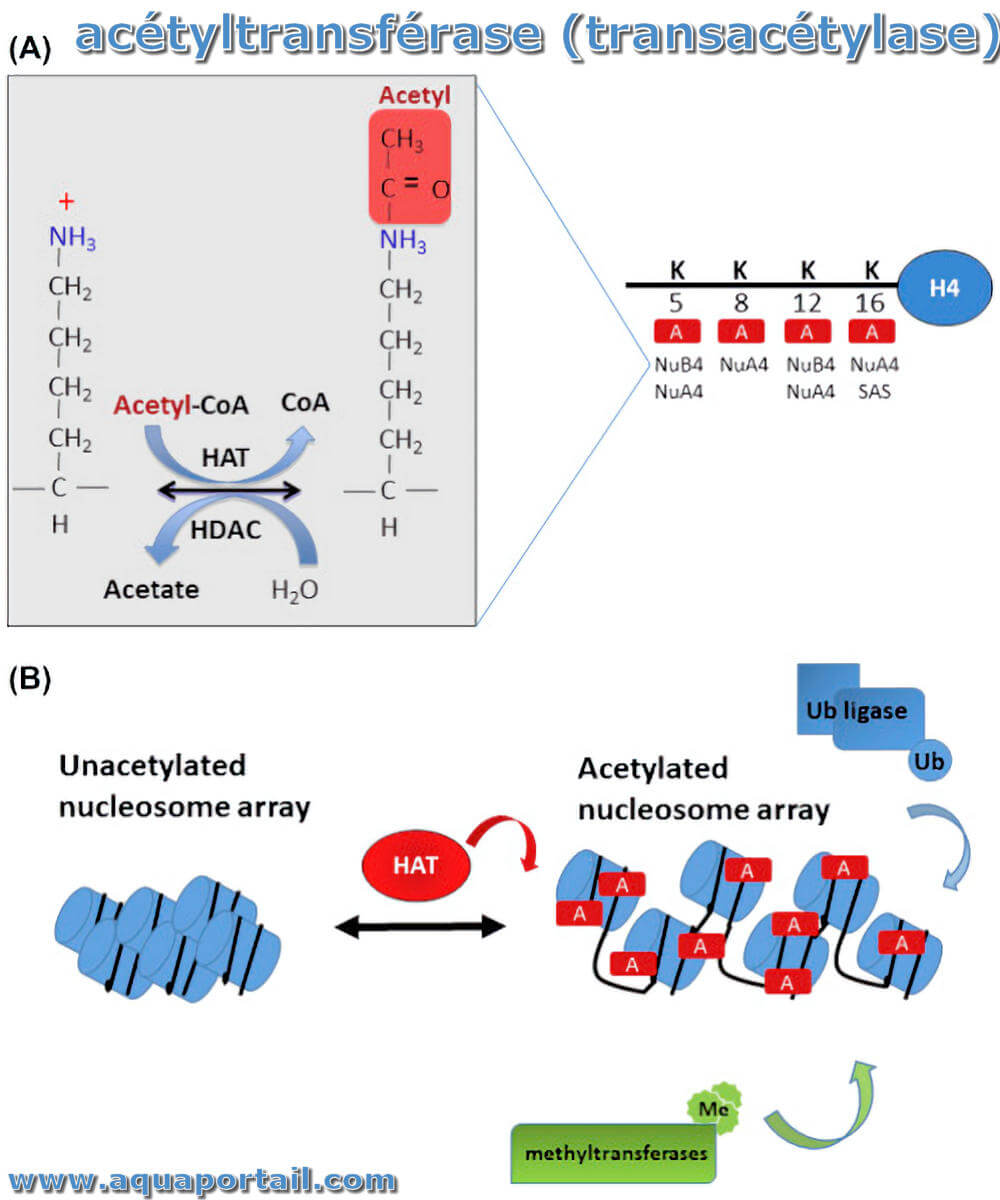
An acetyltransferase is an enzyme that transfers an acetyl group from acetyl-CoA to lysine amino acids.
