Maturation
noun (n.)
Definition
Maturation is the process of becoming mature, a phase of reaching maturity (plants: ripening; animals: sexual maturity; humans: psychological maturity). In organisms, it involves all the morphophysiological transformations necessary to reach full development.The stages of human maturation:

Human maturation corresponds to the transformations from the baby stage to the adolescent stage (sexual maturity) and adult stage (psychological maturity).
Explanations
Maturation is a stabilization period occurring before final transformations. It applies to organisms, organs, or cells, as well as to other products such as fruits and vegetables, or even aged meat.
The terms maturation and ripening are frequently confused. Maturation is one of the stages of ripening, an ideal point to reach. In fruits and vegetables, once the maturation threshold is passed, there is a risk of deterioration and wilting.
The term maturation is also used in the production of certain fertilizers such as SSP before they are sent for bagging.
In bacteriology
After mixing the microbial culture with the carrier for biofertilizer production (for example), a stabilization period of 3–4 days is observed so that the inoculum can develop. Thus, the moisture level can reach equilibrium and heat can dissipate.
In the case of RNA and cells, see also RNA maturation (splicing). For example, Sertoli cells have a nourishing role for germ cells and resorb the residual body resulting from sperm maturation.
In anatomy and psychology
Psychological maturation is a process of learning to cope and react in an emotionally appropriate manner. This progression toward maturity does not necessarily occur with aging or physical growth, though it is part of growth and development. A situation a person must face at a young age prepares them for the next (sexual maturity and psychological maturity), and so on into adulthood.
Maturation does not stop at the end of physical growth: it continues into adulthood. An adult who loses a parent, for example, learns to cope with a new emotional situation that will affect how they handle subsequent situations.
Control of fruit maturation and ripening
Controlling fruit maturation and ripening requires distinguishing climacteric fruits from non-climacteric fruits. Reliance on ethylene for the vast majority of fruits to ripen has long been used by farmers and the food industry to keep climacteric fruits more stable for shipping. These fruits are harvested "green" before they ripen and shipped unripe because they are much firmer and far less likely to be damaged during transport.
Nowadays, bananas, tomatoes, and other climacteric fruits may receive a treatment that temporarily inhibits the ethylene response before harvest or shipment to further extend their shelf life. Once they are close to their final destination, they are either allowed to ripen on their own or treated with ethylene to accelerate the ripening process.
What is gained in shelf life and reduced food waste is lost in flavor. Because fruits are no longer attached to the plant when they ripen, they cannot transport additional sugars and aromatic compounds from the parent plant. Thus, "vine-ripened" or "tree-ripened" fruits have slightly more sweetness and flavor than those picked green. Bananas that ripen on the tree are much sweeter than imported ones, which sometimes ripen the following week (or later).
One possible direction for biotechnology is engineering plants to modify or eliminate the ethylene ripening response in order to reduce food waste and spoilage. Since many genes responsible for ethylene production, such as enzymes that catalyze the production of ethylene precursors or proteins that serve as ethylene receptors, have been identified, work is underway to develop delayed ripening by modifying or suppressing these genes in a variety of crops.
Aged meat
Meat aging (maturation) is a process as important as it is delicate, having a major influence on the final result. Aged meat is obtained through a physicochemical aging process.
Maturation occurs naturally in animal muscles after slaughter and, from a strictly food-related perspective, must be understood as the aging process that makes animal meat edible. It consists of three stages, all of equal importance, each with its own characteristics and specific timeframes that vary depending on the type of meat.
These three stages apply to the meat of all animals, including fish. Their duration is related to the size of the animal: in general, the smaller the size, the shorter the aging period. poultry and white meat require less maturation time; pork and beef, on the other hand, take longer.
Traditionally, producers allow meat to age in a cold room without intervention. After two weeks, the meat can be considered ready for consumption. However, it is possible to implement a controlled aging process to extend its duration or adjust certain variables such as the humidity and temperature of the aging environment. In particular, extending the aging time yields more tender, flavorful, and digestible meat. Aging can also exceed four weeks, giving the meat an even stronger flavor, akin to a form of seasoning.
There are two main meat aging techniques: dry aging and wet aging. With the former, the product tends to lose more water, whereas with wet aging, it retains more liquid. This allows for a better weight yield at the end of aging and shorter maturation times: 7–10 days instead of the 2–4 weeks required for dry aging. Preferences for one or the other will be determined by specific needs.
Synonyms, antonyms
Spanish translation: maduración
2 synonyms (similar meaning) for "maturation":
0 antonyms (opposite meaning).
Related words and expressions to MATURATION are directly connected by general or specific meaning.
The word MATURATION is listed on page 1 of words starting with M in the dictionary glossary.
Related to "maturation"
bio-purification
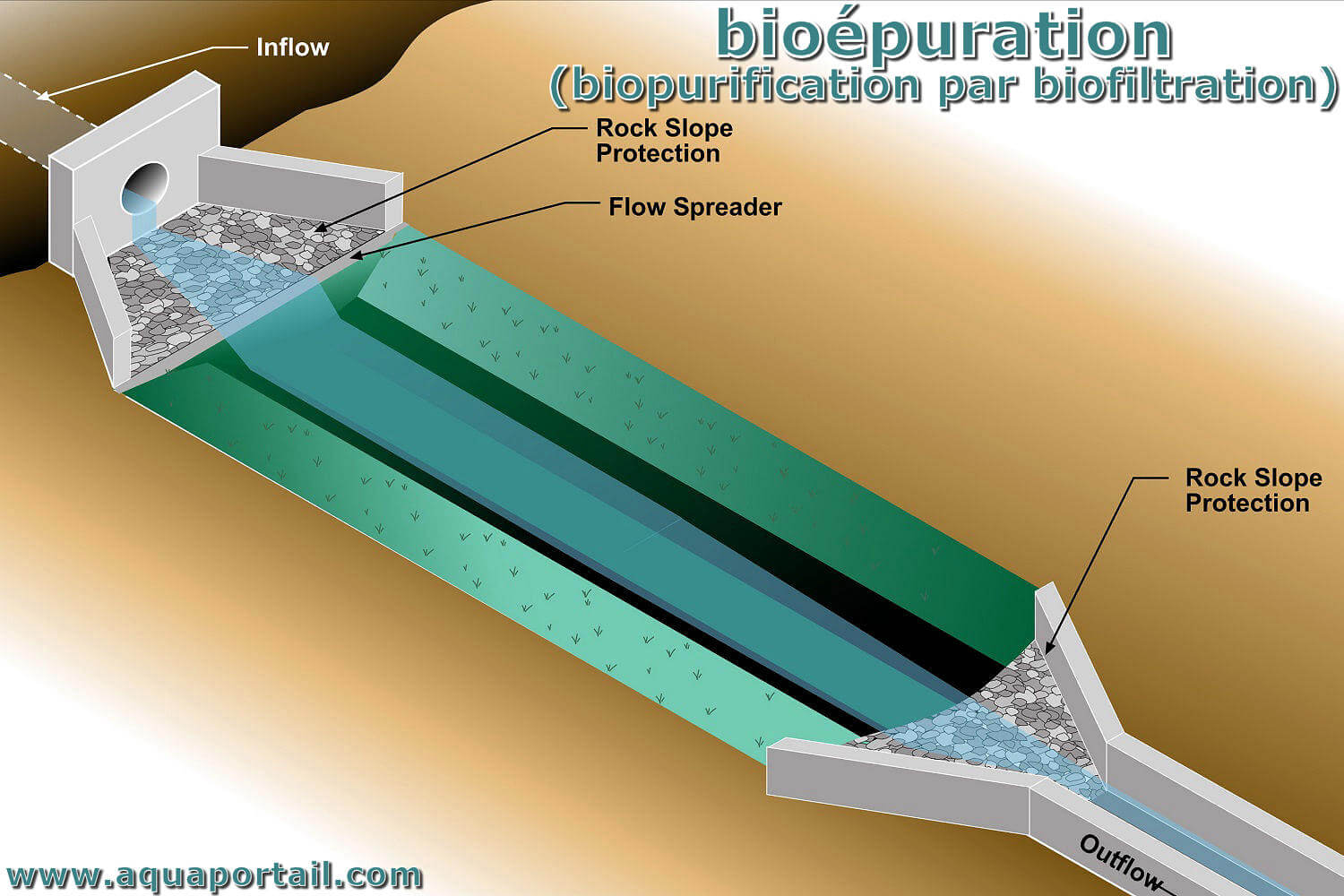
Bio-purification (biodepuration) refers to harnessing living organisms—such as plants, fungi, and symbiotic bacteria—to reduce pollution in an environment.
civilization

A civilization is generally defined as an advanced state of human society containing highly developed forms of government, culture, industry, and social...
cohabitation

Cohabitation is the simultaneous coexistence of several elements, similar or different, in the same place (habitat) over the same (extended) period.
concentration

Concentration (geographic) is the clustering of numerous elements around a central location.
