The spermatocyte is a male germline cell divided into two stages. Primary spermatocytes (spermatocytes I) are diploid cells derived from spermatogonia that undergo the first meiotic division. Secondary spermatocytes (spermatocytes II) are haploid cells that have completed meiosis I and undergo meiosis II to differentiate into spermatids.
The diploid primary spermatocyte undergoes meiosis I to yield two haploid cells called secondary spermatocytes. Each secondary spermatocyte divides during meiosis II to produce two cells called spermatids. Spermatids eventually reach the lumen of the seminiferous tubule and develop a flagellum, becoming spermatozoa. Four spermatozoa result from each primary spermatocyte undergoing meiosis.
stomatocyte
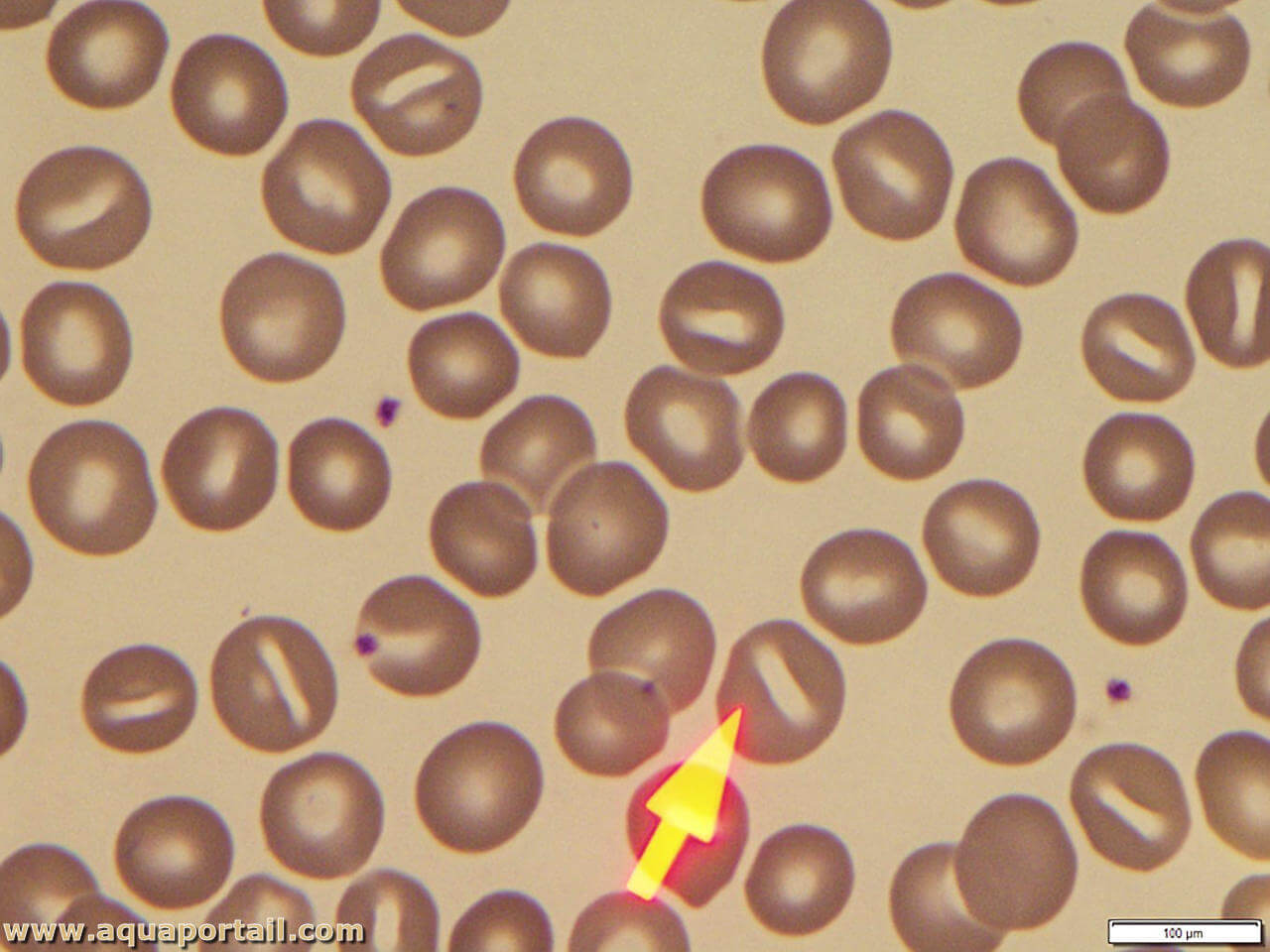
In biology, a stomatocyte is a red blood cell (erythrocyte) exhibiting an elongated central pale area, shaped like a cup.
oocyte

An oocyte is an immature female germ cell (ovocyte) that undergoes meiotic divisions during its development into an ovum.
spermatogonium

A spermatogonium is a primordial male germ cell, a diploid stem cell that produces male germ cells, spermatids, and spermatocytes.
spermatozoon

A spermatozoon is a haploid cell constituting the male gamete required for animal reproduction.
