Peduncle
noun (n.)
Definition
A peduncle is a small stalk of an organ. In botany, the peduncle or pedicel (in the case of compound inflorescences without a capitulum) is a vegetative organ connecting the flower to the stem. In its absence, flowers are called sessile.
The peduncle is at the very bottom of a flower:

The peduncle has the structure of a stem and is responsible for supporting and conducting sap to the flowers. It is rare on branches or leaf-derived structures such as bracts. In its absence, flowers are said to be sessile.
Explanations
By extension, the stalk of a leaf or fruit is also a peduncle. It has the structure of a stem and is responsible for supporting and conducting sap to the flowers.
In zoology, in ichthyological anatomy, the peduncle is the caudal region of the body of an aquatic animal, usually more compressed, which includes the caudal fin.
In botany
In botany, the peduncle, or floral axis, is a more or less long small stem at the end of which sits a flower or an inflorescence and therefore a possible infructescence; it can be both axillary and terminal depending on the position where it is inserted on the floral branch. Often, the upper part of the flower stem hollows into a structure called the receptacle. It replaces the stem pedicel, a flower scape, of each flower in an inflorescence, notably in pedunculate umbellifers with capitular inflorescences.
Curiously, sometimes, and especially for certain types of flowering plants such as Anacardium, the floral stem can undergo such a developmental transformation that it becomes even larger than the flower itself. Its presence therefore gives rise to a false fruit.
The peduncle is a stem, generally green, although some peduncles are more or less floral or neutral, without particular pigmentation. In some species, peduncles are leafless, whereas others bear small leaves, or even cataphylls, at the nodes; these leaves can generally be considered bracts. The peduncle is the base of the inflorescence without flowers. When an unbranched peduncle has no obvious node, arises directly from a bulb or rhizome, and especially if it appears to emerge directly from the ground, it is referred to as a scape.
The acorns of the pedunculate oak Quercus robur bear a long peduncle, hence the name of the tree.
Aquatic animals
In the anatomy of fish and marine mammals, the caudal peduncle refers to the tail. In feather duster worms (spirographs), the peduncle is a secreted tube, with a calcareous and sedimentary base, in which they live.
The caudal peduncle of a fish:

In swimming marine animals, the caudal peduncle is used for propulsion; it terminates the rear part of the animal, connected to the end of the spinal column.
In the case of ablation, and in decapod invertebrates, see also eyestalk ablation.
Synonyms, antonyms
Spanish translation: pedúnculo
2 synonyms (similar meaning) for "peduncle":
0 antonyms (opposite meaning).
Related words and expressions to PEDUNCLE are directly connected by general or specific meaning.
The word PEDUNCLE is listed on page 1 of words starting with P in the dictionary glossary.
Related to "peduncle"
landscape

A landscape is a visual depiction representing a view of an inland natural environment, a portion of territory visible at once from a single vantage point.
pedicel
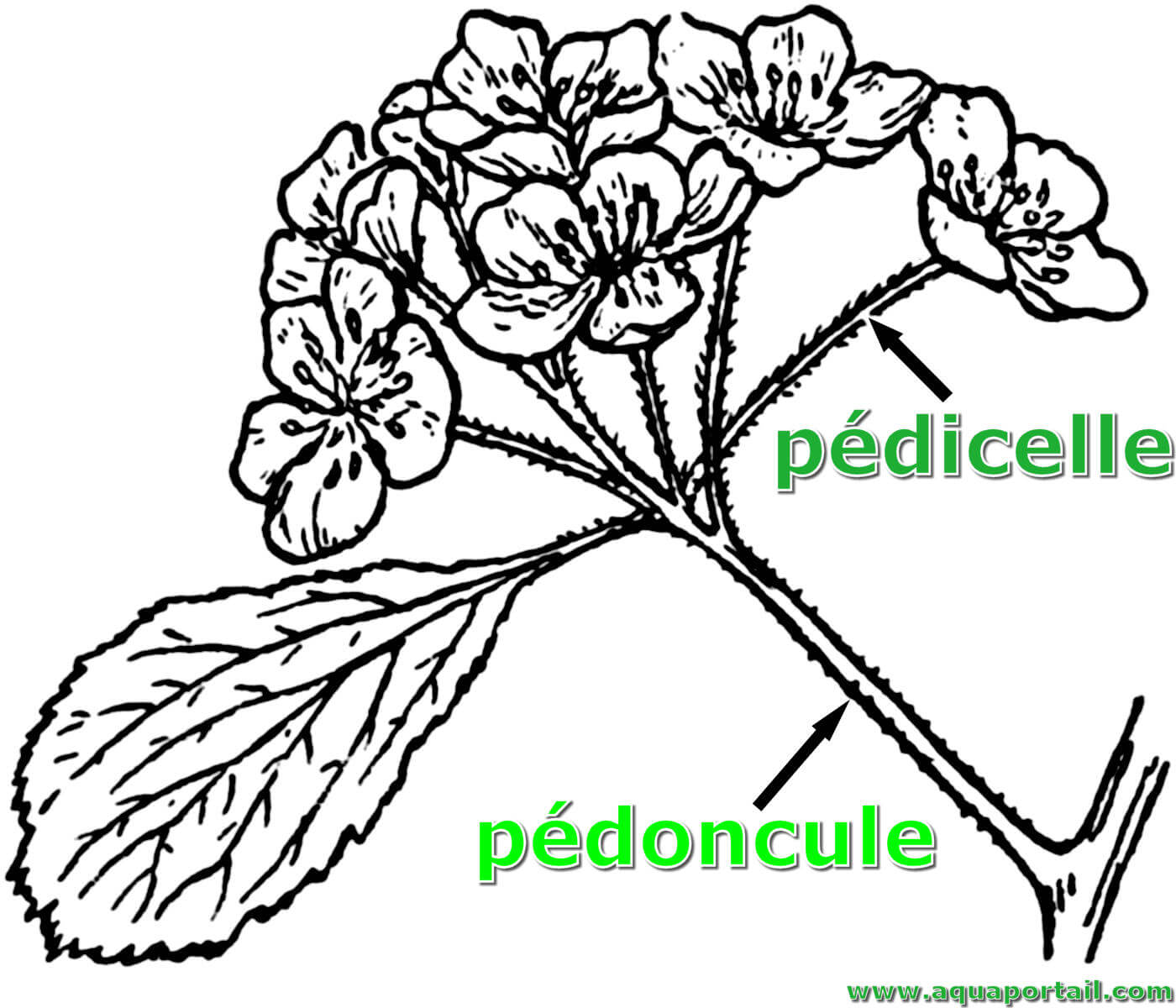
In botany, the pedicel is the stalk of an individual flower (or of a fruit, for example, once fertilized).
P680-P700
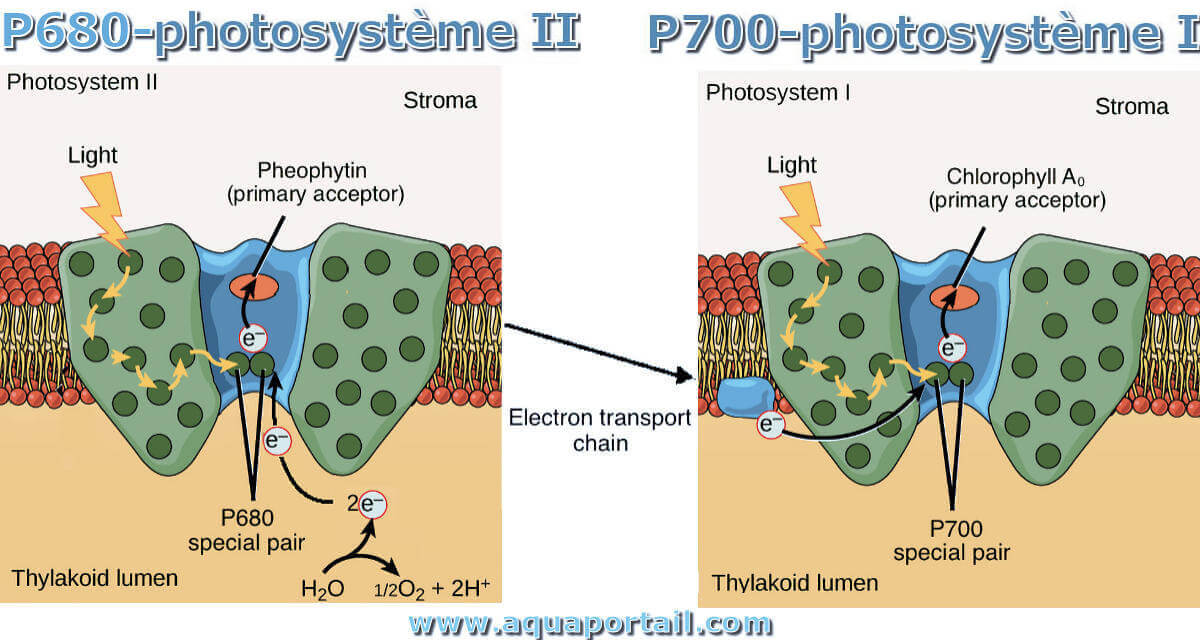
P680-P700 is an association of chlorophyll a molecules absorbing at 680 nm and 700 nm, respectively, possessing particular photochemical properties.
paedomorphosis

Paedomorphosis (juvenilization) is a phylogenetic change involving the retention of juvenile or even larval traits into a later (adult) stage.
Simple summary
The peduncle refers to the stalk that supports a flower, a fruit, or a cluster of flowers in plants. It connects the reproductive or floral organs of the plant to the main stem or branch. The term can also describe similar stalk-like structures in animals, such as those found in certain regions of the brain or specific anatomical features.
