Equator
noun (n.)
Definition
The equator is an imaginary line 40,075 km (24,901 mi) long (the circumference of the Earth) between the Northern and Southern Hemispheres. It divides the globe in two at 0 degrees latitude, located halfway between the North and South Poles.
The Earth with its equator and poles:
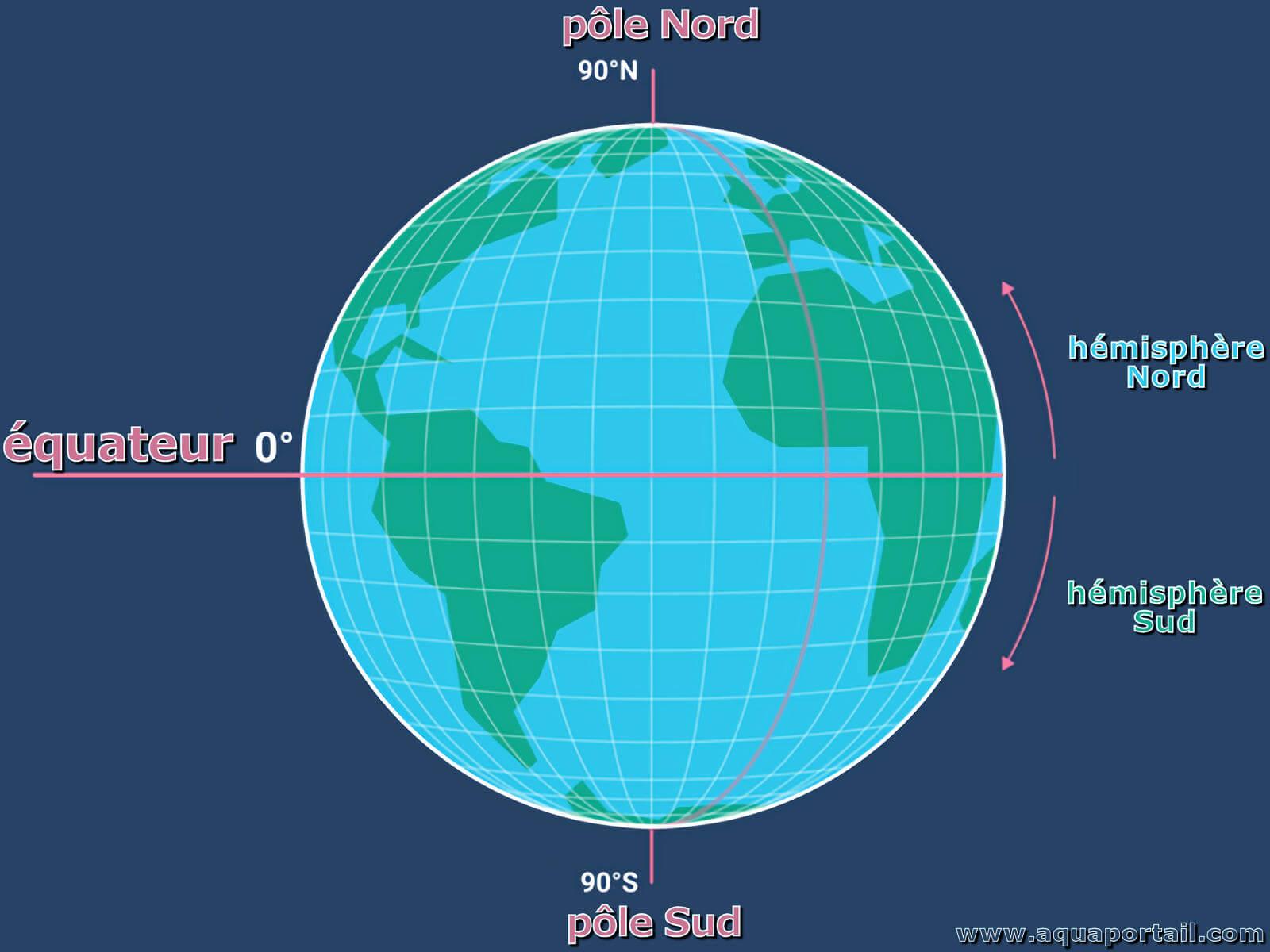
On this world map, the equator is an imaginary line (in red) that divides the terrestrial globe in two at 0° latitude.
Explanations
The Earth is not a perfect sphere. Due to its rotation, the planet bulges slightly at the equator. This makes the Earth's circumference (40,075 kilometers / 24,901 miles) at the equator longer than its circumference through the poles. A grid of lines called latitude and longitude is used to map the Earth's surface. Circles of latitude wrap around the planet from east to west, while lines of longitude run from north to south.
The Earth's equator lies at 0 degrees latitude and intersects the prime meridian at 0 degrees longitude.
✅ Line-crossing ceremonies for ships crossing the equator, known as "crossing the equatorial line," involve initiation rites, rituals, and celebrations featuring the mythical King Neptune. They are primarily practiced in navies but are also occasionally held for passenger entertainment on civilian vessels.
The country Ecuador
Ecuador is a country located in northwestern South America. It is bordered by Colombia to the north, Peru to the east and south, and the Pacific Ocean to the west. Although it is one of the smallest countries in South America, Ecuador possesses exceptional natural and cultural wealth. Its territory is divided into four main regions: the Andes mountains, the Amazon rainforest, the coastal lowlands, and the Galápagos Islands. Each of these regions contributes to the country's ecological identity, making Ecuador one of the most biodiversity-rich countries in the world.
Ecuador (country) with the Galápagos Islands:
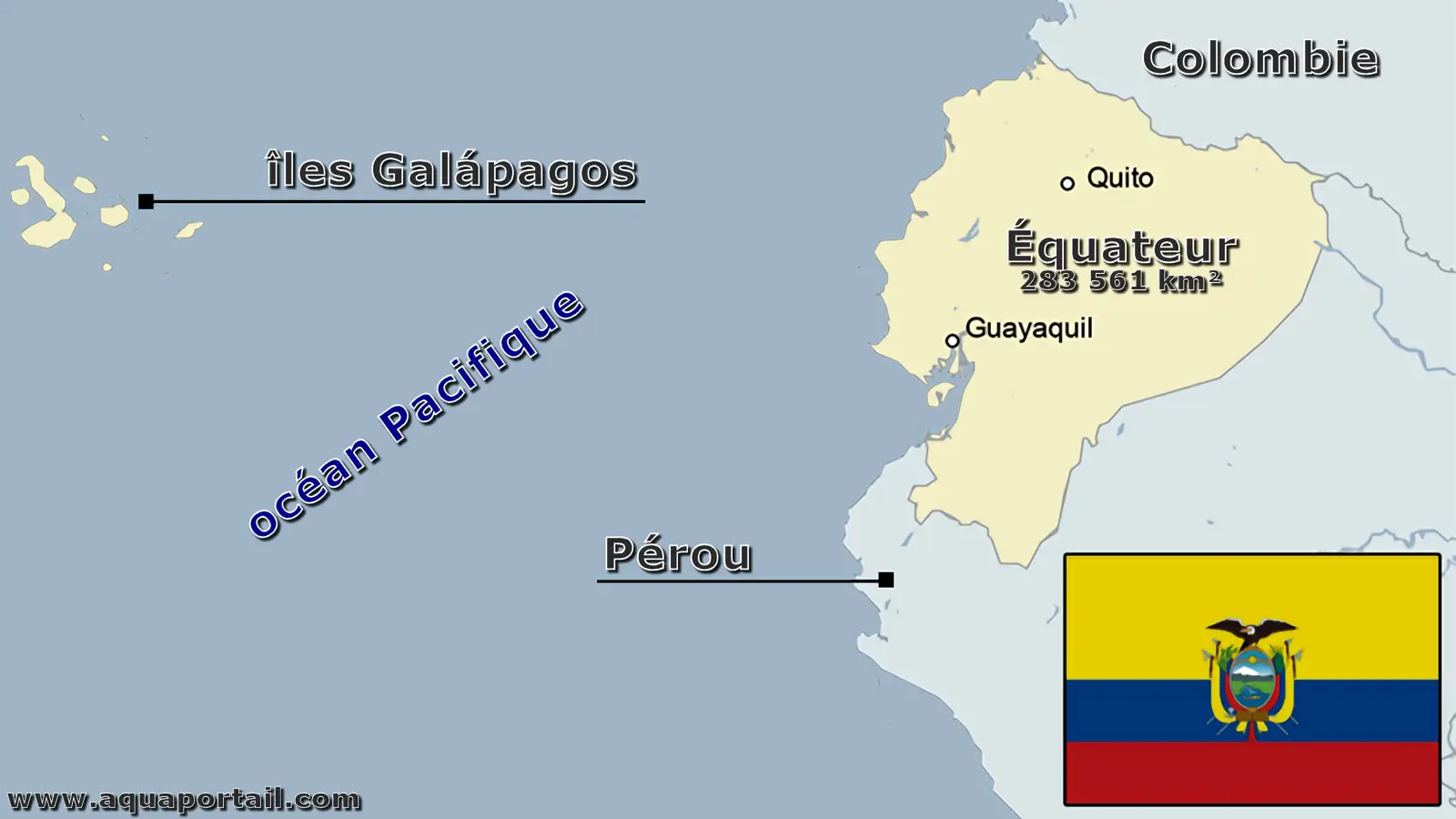
Ecuador is a country located between Colombia and Peru in northwestern South America covering an area of 283,561 km2 (109,484 sq mi) including the Galápagos Islands. Its capital is Quito.
The Andean region of Ecuador, often called the "Sierra," is home to majestic mountain ranges and numerous volcanoes, including Chimborazo; the latter constitutes the point on Earth farthest from the planet's center (and closest to the Sun) due to its position on the equatorial bulge. This region also features picturesque colonial cities such as Quito and Cuenca, both inscribed as UNESCO World Heritage Sites for their well-preserved historic architecture. Quito, the capital, stands out for its high elevation (2,800 m / 9,186 ft).
To the east stretches the Amazon basin, or "Oriente," where vast expanses of tropical rainforest teem with biodiversity. This region is a true wildlife sanctuary and is home to numerous Indigenous communities that have lived in harmony with nature for centuries. The Amazon offers visitors the opportunity to explore its complex ecosystems through ecotourism while discovering its cultural significance.
The coastal region of Ecuador is home to bustling cities such as Guayaquil, the country's largest port, specializing in shrimp fisheries and aquaculture. The coastline is characterized by sandy beaches, a tropical and equatorial climate, and fertile agricultural lands that produce some of Ecuador's primary export commodities, such as bananas, coffee, and cacao.
The Galápagos Islands, located roughly 1,000 km (621 mi) west of the mainland in the Pacific Ocean, are undoubtedly one of the country's most iconic assets. This archipelago gained worldwide renown through Charles Darwin's work on evolution and its unique species, such as giant tortoises and marine iguanas. The Galápagos archipelago is designated a UNESCO World Heritage Site for its preserved ecosystems and rare wildlife. Ecuador ranks among the world's 17 megadiverse countries.
Culturally, Ecuador is a vibrant melting pot of Indigenous, European, and African influences. More than 14 Indigenous nationalities are present across the country, enriching its cultural fabric with diverse traditions, languages, and ways of life. While Spanish is the official language, Quechua and other Indigenous languages remain spoken in many regions. Ecuadorians passionately celebrate the diversity of their heritage through colorful festivals, traditional music, and culinary specialties such as ceviche, empanadas, and "locro de papa," a hearty potato-based soup.
Terrestrial equator
The terrestrial equator is distinguished by specific environmental conditions resulting from its direct exposure to solar radiation. As the Earth rotates on its tilted axis, regions located along the equator experience constant day length throughout the year. This results in minimal seasonal variation, fostering tropical climates characterized by high temperatures and high humidity.
Abundant solar energy stimulates lush vegetation and high biodiversity; equatorial regions thus harbor some of the world's most ecologically vital tropical rainforests, such as the Amazon and the Congo Basin.
Celestial equator
Imagine the Earth's equator extending out into space. This is the celestial equator, an imaginary great circle dividing one celestial hemisphere from the other equidistant from the celestial poles.
The word equator is derived from Medieval Latin aequator, from the phrase circulus aequator diei et noctis, meaning "circle equalizing day and night," and from aequare, meaning "to make equal."
Synonyms, antonyms
Spanish translation: ecuador
3 synonyms (similar meaning) for "equator":
- celestial equator
- midline
- terrestrial equator
0 antonyms (opposite meaning).
Related words and expressions to EQUATOR are directly connected by general or specific meaning.
The word EQUATOR is listed on page 1 of words starting with E in the dictionary glossary.
Related to "equator"
E=mc2
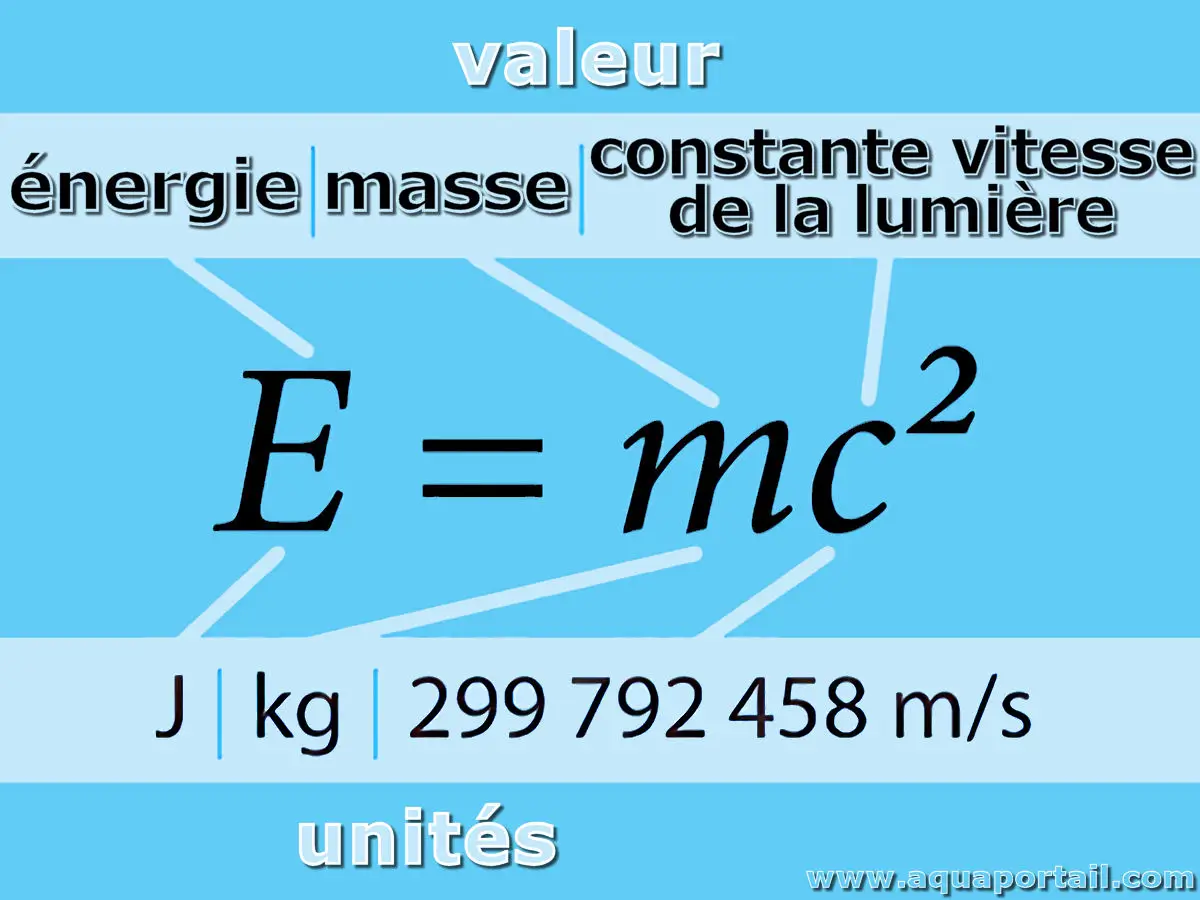
The formula E=mc2 (E = m. c²) is a mass-energy equivalence equation according to the theory of relativity developed by Albert Einstein. It expresses that...
ebb tide
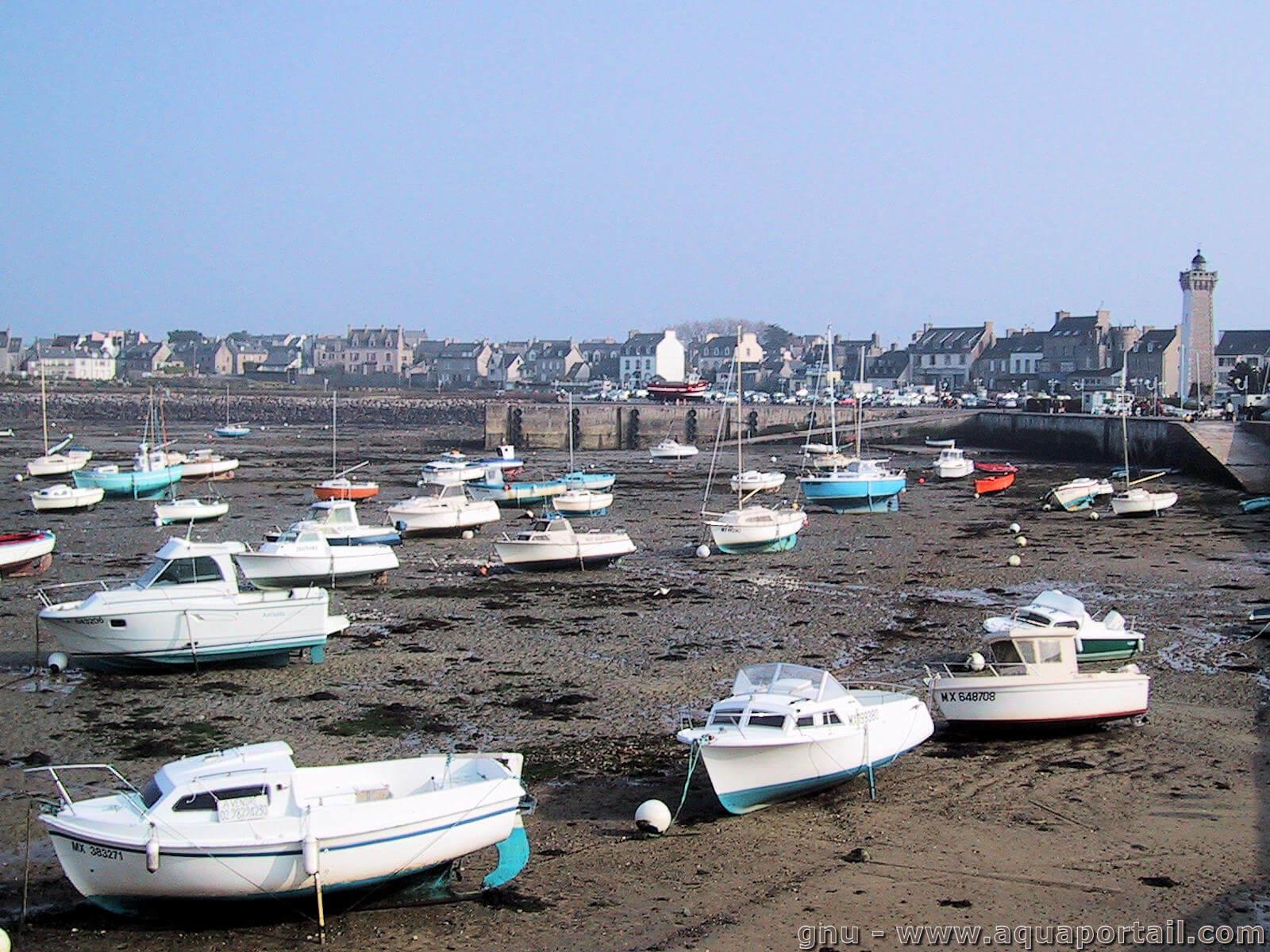
Ebb tide designates the outgoing, falling tide of the sea that begins at high water, also known as reflux.
Ecdysozoa

Ecdysozoans, of the superphylum Ecdysozoa, are protostomes undergoing ecdysis within Bilateria.
echinoderm
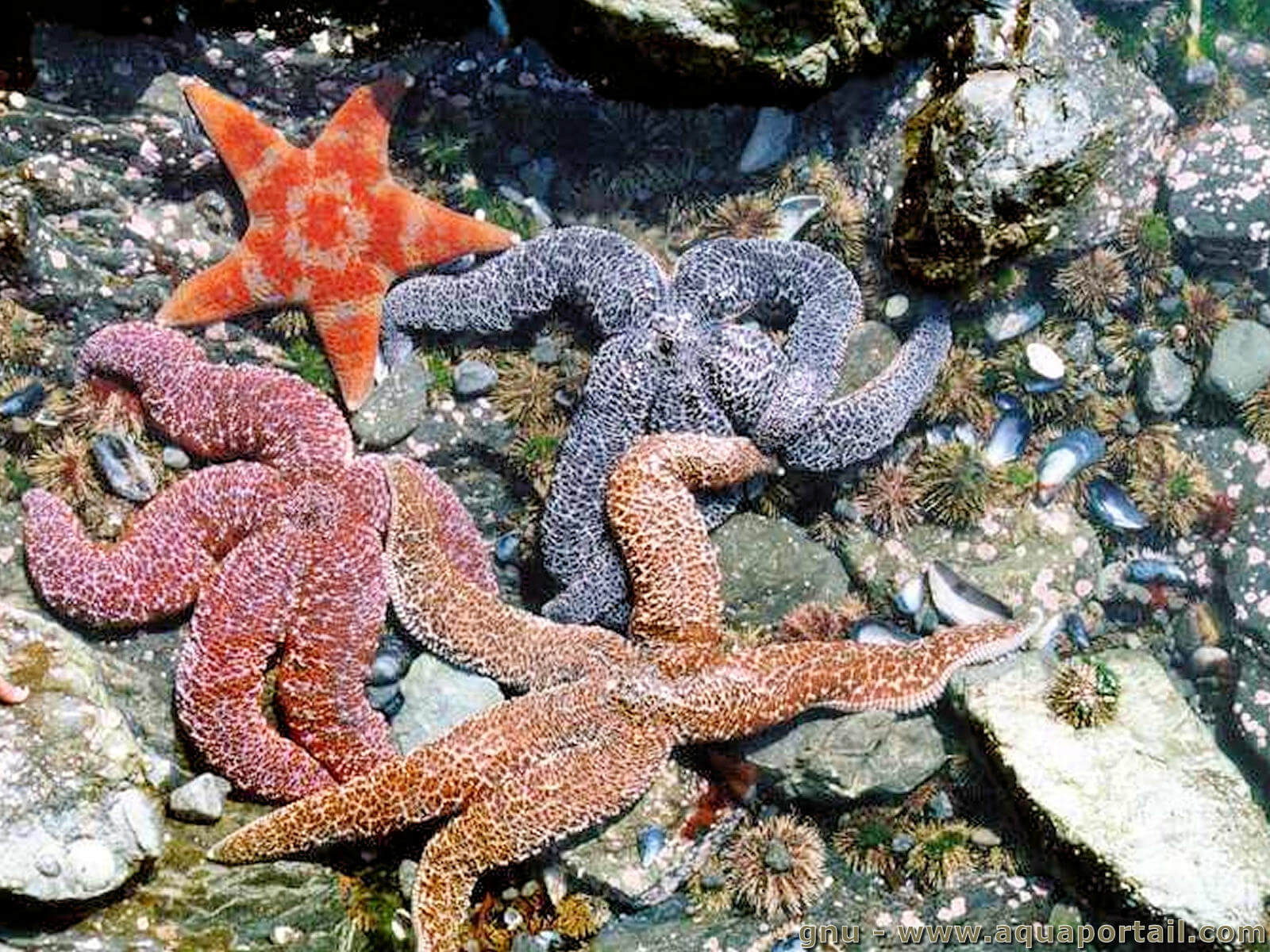
An echinoderm belongs to a lineage of invertebrates, the phylum Echinodermata, found exclusively in the world's oceans : starfish, brittle stars, sea urchins...
Simple summary
The equator is an imaginary line circling the Earth equidistant from the North and South Poles. It divides the planet into two hemispheres: the Northern Hemisphere and the Southern Hemisphere. Located at 0 degrees latitude, the equator is characterized by a consistent climate marked by warm temperatures and equal lengths of day and night throughout the year.
