Forcing
noun (n.)
Definition
Flowering forcing is a horticultural technique used to induce (force) a plant to bloom outside its natural flowering season. Through this technique, all plants of a species flower at the same time.
The forcing process is used for flowering plants such as orchids or many bulbous plants such as tulips, daffodils, or hyacinths.
Flowering forcing of daffodils:

Daffodils are fairly easy plants to force in containers. Daffodil bulbs are the most popular and reliable for forcing and can be grown in water with pebbles as support.
Explanations
Forcing requires following a process well known to horticulturists to obtain plants all blooming simultaneously, an operation sometimes necessary for the cut-flower trade. However, the technique has the effect of weakening the plant, which may fail to recover and die after flowering.
As a simple example, see the flowering forcing of the fritillary F. meleagris.
Hyacinths can be forced to bloom in containers that support the bulb with only its base touching the water. The bulbs should be cleaned before placing them in glasses. The best time to start the bulbs is in October. Keep the glasses containing the bulbs in a cool (5 to 8 °C / 41 to 46.4 °F), dark place until tip growth reaches 7 to 10 cm (2.8 to 3.9 in) in length and the flower cluster emerges freely from the bulb. This can take 8 to 12 weeks. Once the upper part is well developed, move the glasses to a cool, bright window.
Synonyms, antonyms
Spanish translation: forzado
0 synonyms (similar meaning) for "forcing".
0 antonyms (opposite meaning).
Related words and expressions to FORCING are directly connected by general or specific meaning.
The word FORCING is listed on page 1 of words starting with F in the dictionary glossary.
Related to "forcing"
fabrication

Fabrication is the act or process of making, constructing, or inventing something. The manufacturing or fabrication process, whether artisanal or industrial...
famine

Famine is prolonged hunger with acute undernutrition or malnutrition of a population in a region (country).
fang
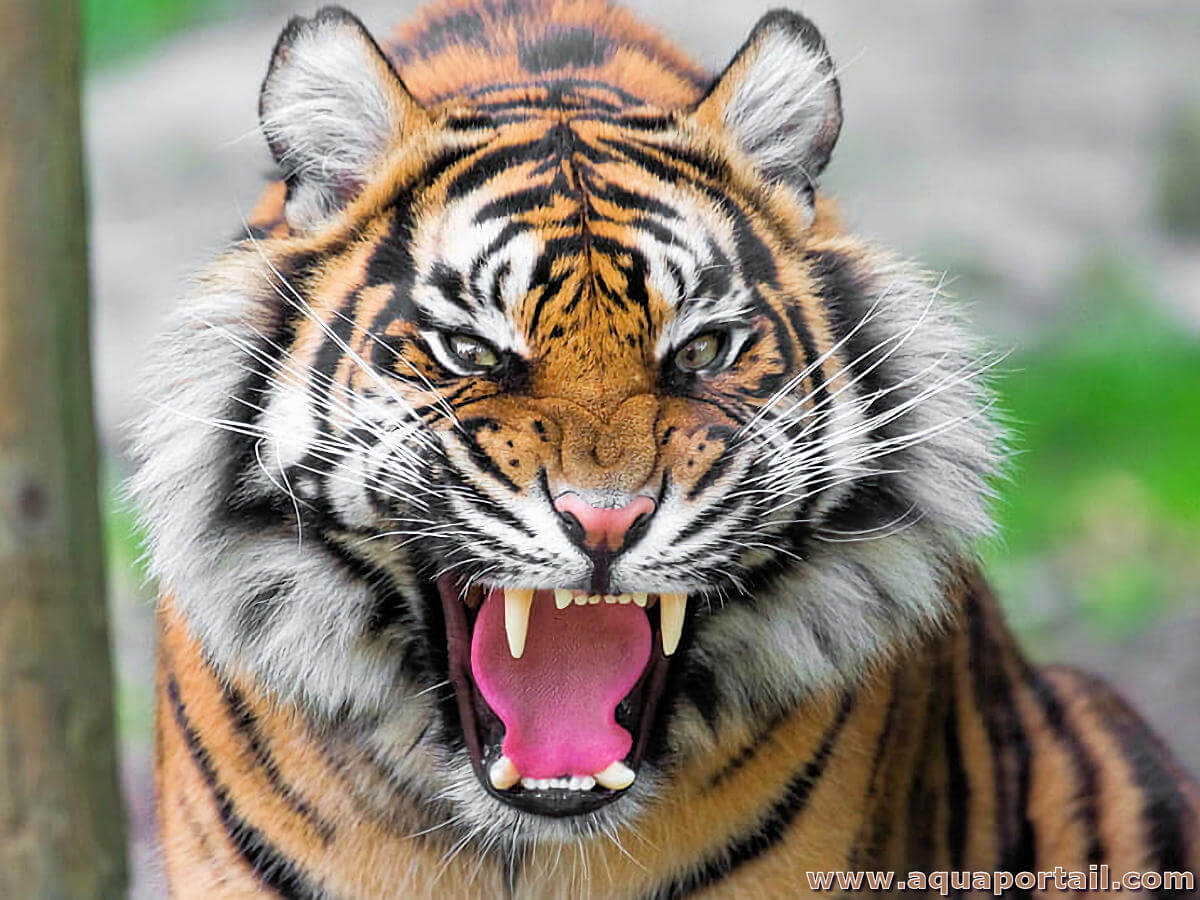
A fang is a long, pointed, and curved tooth. All animals equipped with fangs use them to bite. Whereas in mammals the upper-jaw fangs (called canines)...
fatty acids

Fatty acids are molecules possessing a long hydrophobic hydrocarbon chain and a highly hydrophilic carboxyl group at one of its ends.
