Utricle
noun (n.)
Definition
A utricle is a small cell, sac, or bladder-like protuberance in an animal or plant.
In anatomy, the utricle is the larger of the two fluid-filled cavities forming part of the labyrinth of the inner ear (the other being the saccule). It contains hair cells and otoliths that send signals to the brain regarding head orientation.
Structure of the vestibular labyrinth:

The structure of the vestibular labyrinth is composed of semicircular canals, the utricle, the saccule, the vestibule, and the cochlea.
Plant utricle
Utricle also describes the small sac-shaped organs (literally "little wineskin") characteristic of certain aquatic plants, the bladderworts. Examples: Utricularia gibba, grass-leaved bladderwort Utricularia graminifolia, and Utricularia minor.
A utricle thus refers to a modified leaf of bladderworts, shaped like a bladder, inside which the pressure is lower than outside. A simple touch triggers the opening of the bladder and suction of the prey inside.
In certain Cyperaceae, as a structure of bracteal origin surrounding the gynoecium and subsequently the fruit while leaving only the stigmas protruding, the utricle is a membranous envelope surrounding the flowers of Cyperaceae.
In algae, the utricle is the swollen terminal portion containing chloroplasts of a siphon (swollen peripheral part of siphonous filaments). The utricle is also part of the vestibular system among sensory organs and sensory receptors.
Animal utricle
In vertebrates, the utricle, which is vesicle-shaped, is part of the labyrinth and vestibule of the inner ear within the vestibular system.
Each saccule and utricle possesses a single cluster, or macula, of hair cells situated respectively in the vertical and horizontal planes. The hair cells rest on a gelatinous membrane in which calcareous granules called otoliths are embedded. Changes in linear acceleration alter the pressure on the otoliths, causing displacement of the cilia and providing an adequate stimulus for membrane depolarization. Within each macula, hair cells are arranged in two groups oriented in opposite directions, so that the receptor operates in a push-pull manner in each organ.
Since many nerve fibers traveling from the hair cells to the brain are constantly active, this arrangement makes the receptors a highly sensitive detection system for vertical and horizontal linear acceleration.
The vestibular system shares certain similarities with the auditory system. Like the auditory system, it uses hair cells, though it excites them in different ways. There are five vestibular receptor organs in the inner ear: the utricle, the saccule, and three semicircular canals. Together, they form what is known as the vestibular labyrinth. The utricle and saccule respond to straight-line acceleration, such as gravity. The roughly 30,000 hair cells of the utricle and 16,000 hair cells of the saccule lie beneath a gelatinous layer, with their stereocilia projecting into the gelatin.
✅ This word formerly denoted the cell.
Synonyms, antonyms
Spanish translation: utrículo
2 synonyms (similar meaning) for "utricle":
0 antonyms (opposite meaning).
Related words and expressions to UTRICLE are directly connected by general or specific meaning.
The word UTRICLE is listed on page 1 of words starting with U in the dictionary glossary.
Related to "utricle"
vestibule
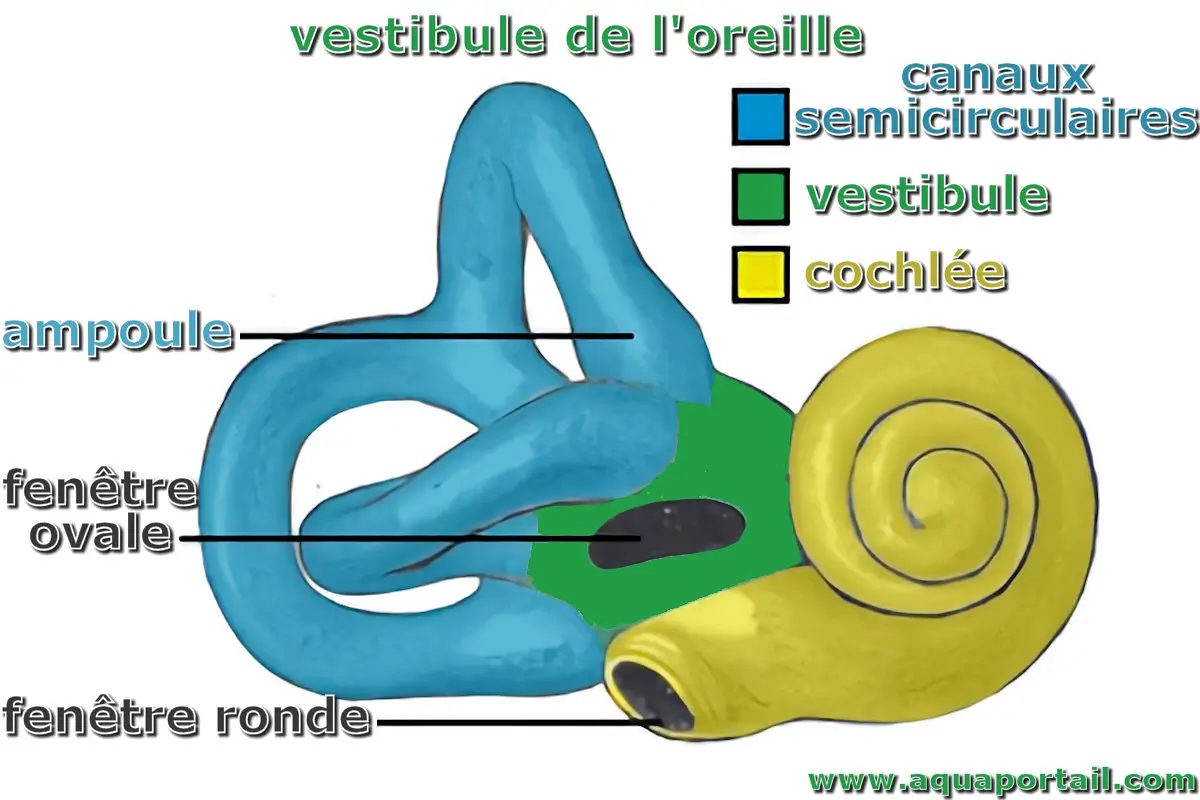
A vestibule is a cavity or channel opening into another. It serves as an entrance and passage between an exterior and an interior.
ultraviolet
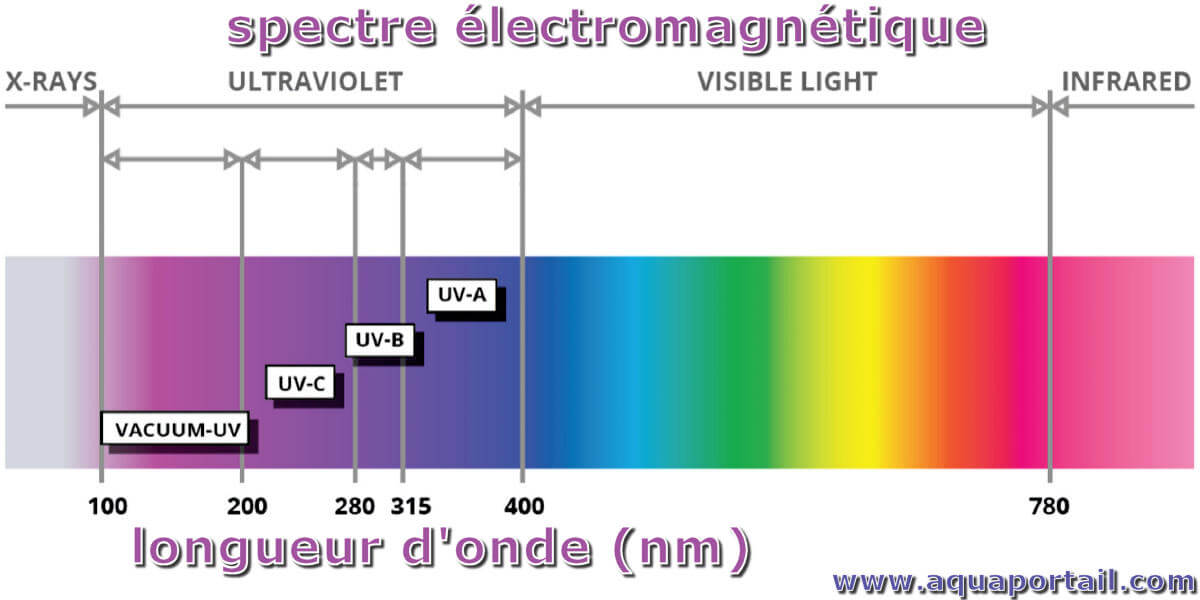
Ultraviolet, also abbreviated UV, refers to electromagnetic radiation with wavelengths between those of the violet end of the visible spectrum and those...
umami

Umami is one of the five basic tastes sensed by humans, alongside sour, sweet, bitter, and salty.
umbilicated

An umbilicated shape resembles an umbilicus. In botany, an umbilicated leaf blade exhibits a depression at its center, like an umbilicus.
