Viroid
noun (n.)
Definition
A viroid is a circular single-stranded RNA molecule of 220 to 450 nucleotides that is pathogenic to certain higher plants. Unlike virusoids (which require a helper virus), viroids replicate without a helper virus inside the host cell using host enzymes. Virusoids, by contrast, replicate only as a genomic component of a plant virus.
A viroid is smaller than a virus. It is a covalently closed, single-stranded infectious RNA molecule lacking a capsid. It replicates via RNA-to-RNA transcription and lacks protein coding. Viroids infect only plants.
Classes of viroid-like RNA:

Schematic structures of distinct classes of viroid-like RNA. All viroid-like agents are divided into four groups depending on whether they encode proteins and whether they are replicated by DNA-dependent or RNA-dependent RNA polymerase. SatRNAs (lower-right quadrant) are encapsidated by the capsid proteins of the helper virus. In one case (upper-right quadrant), a satRNA of rice yellow mottle virus (satRYMV) appears to encode a protein.
Explanations
Viroids are the smallest known infectious pathogens, composed solely of a short circular RNA without a protein coat. Viroids are economically significant plant pathogens.
Viroid genomes are extremely small, only around 300 nucleotides. Viroids have been found in agricultural crops such as potatoes, tomatoes, apples, and coconuts.
✅ Viroids are a unique class of plant pathogens consisting of small circular RNA molecules ranging from 220 to 450 nucleotides in length. Viroids encode no proteins and are the smallest known infectious agents. Viroids replicate via the rolling-circle mechanism, generating multimeric intermediates that are cleaved to unit length either by ribozymes formed from both polarities of the viroid genomic RNA or by co-opted host RNAs. Many small viroid-like circular RNAs are satellites of plant RNA viruses.
Ribozyviruses, represented by the human hepatitis delta virus, are larger viroid-like circular RNAs that additionally encode the viral nucleocapsid protein. However, viroids do not cause disease in humans or animals; they are capable of infecting only higher plants (cucumber, potato, tomato, coconut palms). Viroids cause potato spindle tuber disease and chrysanthemum stunt disease.
It has been proposed that viroids are direct descendants of primordial RNA replicons present in the hypothetical RNA world. Some researchers argue, however, that a much later origin of viroids—perhaps from recently discovered mobile genetic elements known as retrozymes—is a far more parsimonious evolutionary scenario. Nevertheless, viroids and viroid-like circular RNAs are minimal replicators likely close to the theoretical lower size limit for a replicator and arguably represent the paradigm of replicator emergence.
Thus, although viroid-like replicators are unlikely to be direct descendants of primordial RNA replicons, studying the diversity and evolution of these ultimate genetic parasites can offer insights into the earliest stages of life's evolution.
Several viroid-induced diseases carry considerable economic importance. For example, yield losses can be severe in potatoes infected with potato spindle tuber viroid (PSTVd), citrus trees infected with Citrus exocortis viroid, coconut palms infected with coconut cadang-cadang viroid (CCCVd), and avocados infected with avocado sunblotch viroid (ASBVd).
Exclusion or eradication of infected material is the most effective way to control viroids. Viroid infections spread through cross-contamination following mechanical damage to plants resulting from horticultural or agricultural practices. Some are transmitted by aphids, and they can also be transferred from plant to plant via leaf contact.
Synonyms, antonyms
Spanish translation: viroide
0 synonyms (similar meaning) for "viroid".
0 antonyms (opposite meaning).
Related words and expressions to VIROID are directly connected by general or specific meaning.
The word VIROID is listed on page 1 of words starting with V in the dictionary glossary.
Related to "viroid"
vacant

Vacant describes what is free, unoccupied, or available (referring to a place, property, job, or office).
vagile
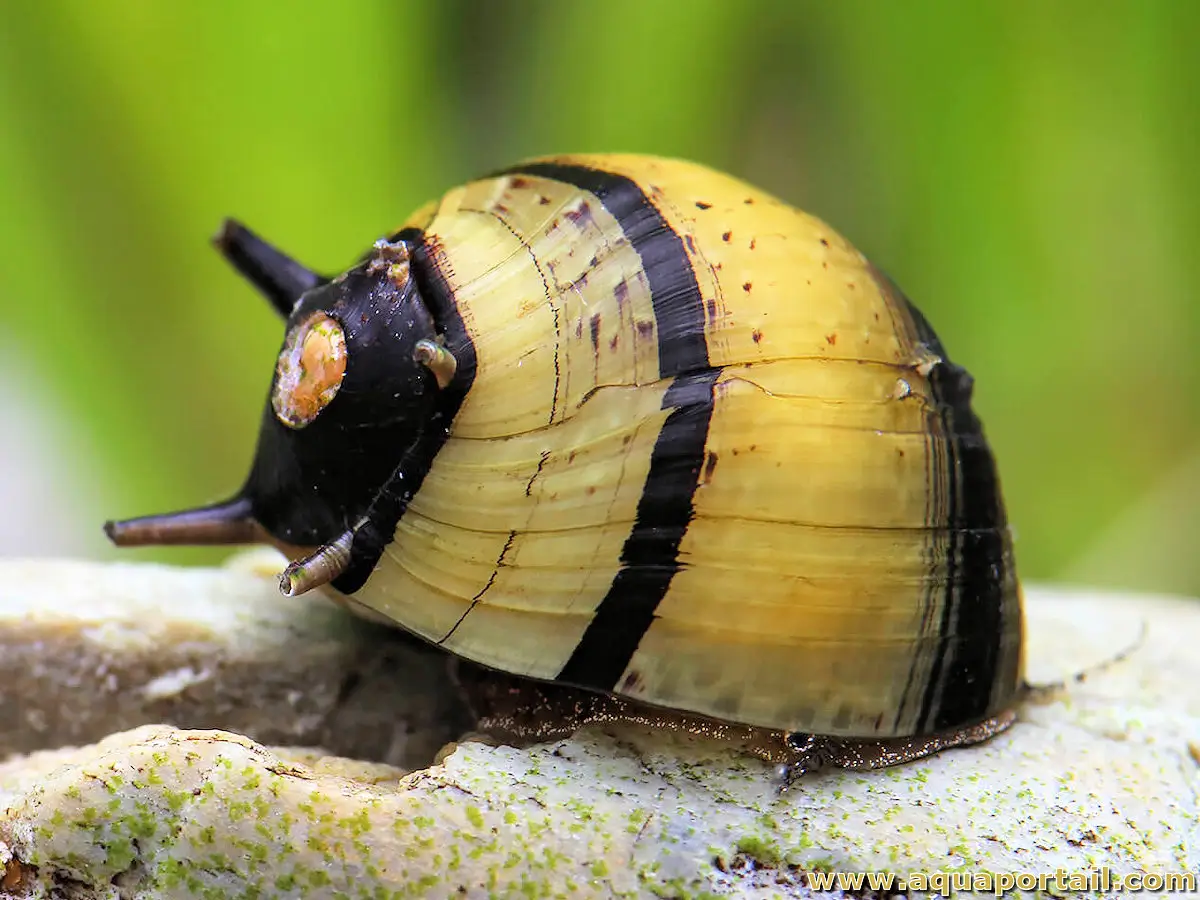
An organism is vagile when it possesses the ability to move about across the substrate of its environment.
valley

In geology, a valley is a depression, an elongated low-lying area between higher landforms such as hills or mountains, often with a river flowing through it.
vermicide
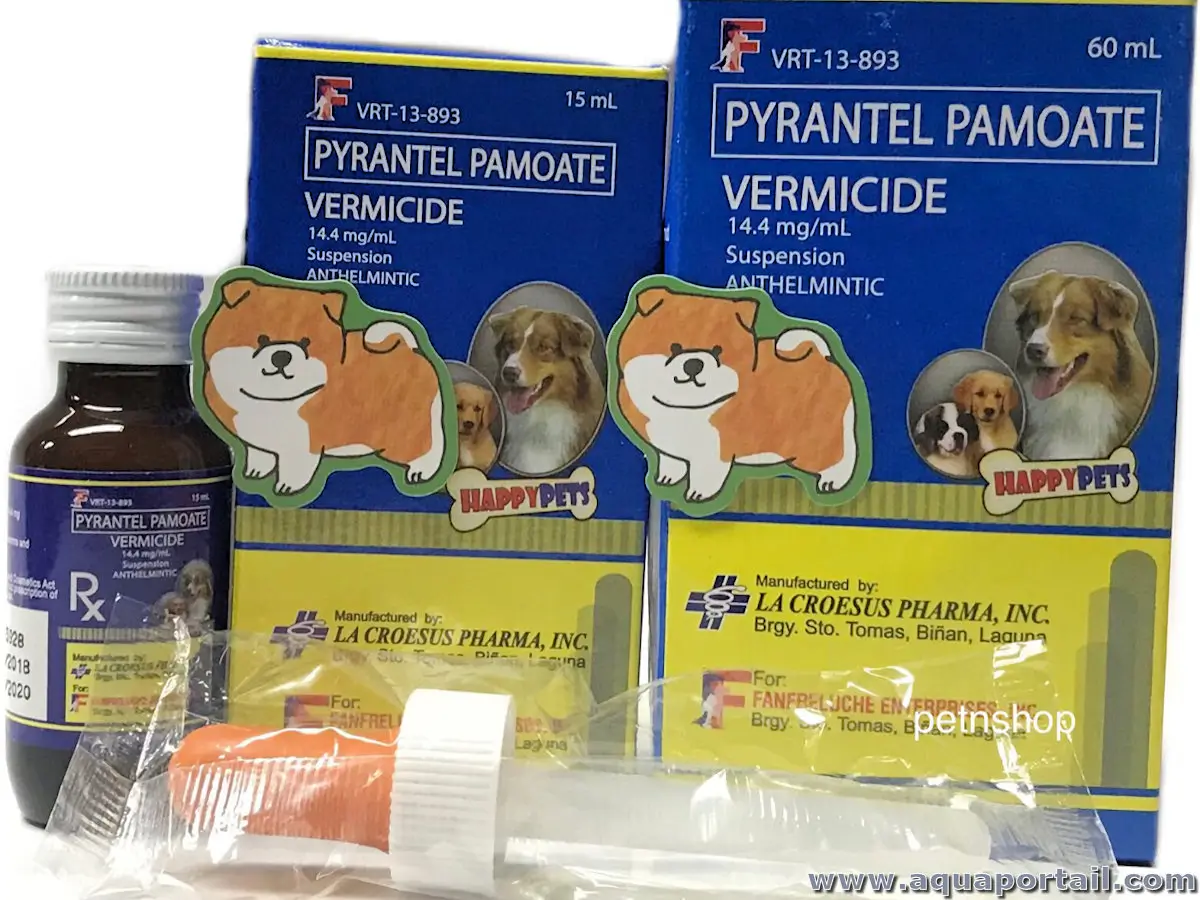
A vermicide is an antiparasitic drug (anthelmintic) that kills parasitic worms (helminths) in the body without causing significant harm to the host.
