Vivax
noun (n.)
Definition
In Latin and botanical nomenclature, vivax means perennial, long-lived, or vigorous, describing a perennial plant or one whose flowers are long-lasting.
In biology and epidemiology, Plasmodium vivax is one of the protozoan parasites causing malaria, responsible for the most frequent and widespread form of benign tertian malaria. It is one of the primary Plasmodium species infecting humans, though less virulent and fatal than Plasmodium falciparum. P. vivax is transmitted by female Anopheles mosquitoes.
A trophozoite of P. vivax (center):
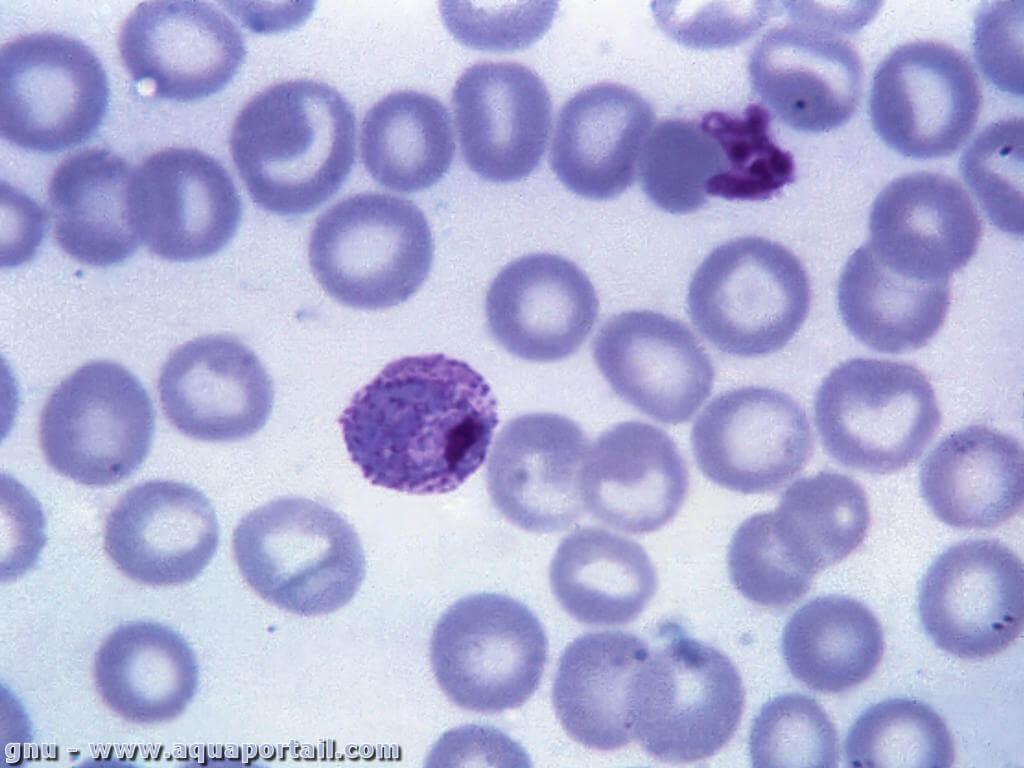
This Giemsa-stained thin-film micrograph reveals a mature trophozoite of Plasmodium vivax. P. vivax trophozoites exhibit amoeboid cytoplasm, large chromatin dots, and fine yellowish-brown pigment. Infected red blood cells are enlarged 1.5–2× and may be distorted; when visible, Schüffner's dots appear finer than those seen in P. ovale.
Explanations
Plasmodium vivax occurs primarily in Asia, Latin America, and parts of Africa, where it can cause debilitating, relapsing infections. It is selective, preferentially invading immature red blood cells (reticulocytes) that express the Duffy blood group antigen (Fy6 glycoprotein) on their cell surface, producing benign tertian malaria.
Under the microscope, the parasitized red blood cell is up to twice the size of a normal erythrocyte, pale pink with fine cytoplasmic stippling (Schüffner's dots). The intracellular parasite has an irregular, amoeboid shape, and mature schizonts of P. vivax contain up to 20 merozoites. Multiple infection of a single red blood cell is uncommon; because merozoites invade only reticulocytes, parasitemia rarely exceeds 2–3% of circulating erythrocytes.
Blood samples containing P. vivax or P. ovale that remain in EDTA for more than half an hour before smear preparation come to resemble P. malariae; laboratories should therefore be notified immediately upon blood collection so specimens can be processed promptly. Blood smears should ideally be prepared within 30 minutes of collection and no later than one hour afterward.
The incubation period typically ranges from 10 to 17 days, though occasionally extending to several months. Dormant liver stages (hypnozoites) can trigger relapses up to 3 to 5 years after clearance of bloodstream stages and initial clinical recovery.
Symptoms typically include remittent or intermittent fever and severe chills, often accompanied by intense frontal headaches and body aches, followed by profuse sweating (diaphoresis), after which the patient sleeps and usually feels well upon waking. Febrile paroxysms recur every 48 hours (tertian periodicity).
Plasmodium vivax is a blood-borne apicomplexan protozoan lacking external locomotory organelles (non-flagellated and non-ciliated), exhibiting amoeboid trophozoite and merozoite stages. Sporozoites are inoculated into the human host during the bite of an infected Anopheles mosquito and travel rapidly to the liver to infect hepatocytes.
Prevention relies on vector-control measures against Anopheles mosquito bites and antimalarial chemoprophylaxis tailored to regional drug-resistance patterns.
Genomic studies have also suggested ancient genetic adaptations tied to its evolutionary history in primates and humans.
As a eukaryotic protozoan (apicomplexan), Plasmodium vivax does not stain by the bacterial Gram method and is instead identified using Giemsa staining.
Between 1917 and the 1940s, P. vivax was used in malariotherapy to induce high fevers for treating neurosyphilis (tertiary syphilis). In 1927, the pioneer of this technique, Julius Wagner-Jauregg, received the Nobel Prize in Physiology or medicine. However, the procedure carried a high fatality risk (roughly 10–15% of patients) and was abandoned once penicillin became available.
Synonyms, antonyms
French translation:
vivaxSpanish translation: vivax
0 synonyms (similar meaning) for "vivax".
0 antonyms (opposite meaning).
Related words and expressions to VIVAX are directly connected by general or specific meaning.
The word VIVAX is listed on page 1 of words starting with V in the dictionary glossary.
Related to "vivax"
vacant

Vacant describes what is free, unoccupied, or available (referring to a place, property, job, or office).
vagile
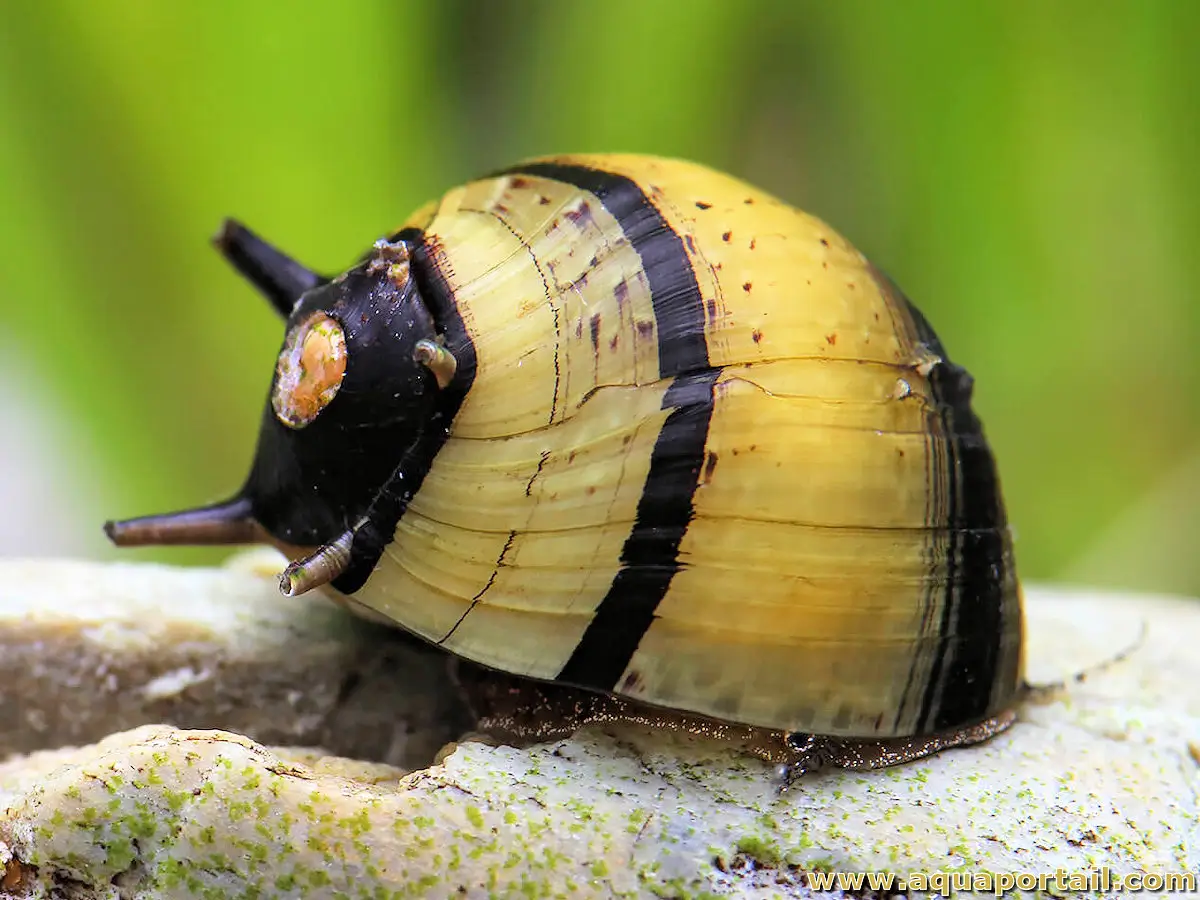
An organism is vagile when it possesses the ability to move about across the substrate of its environment.
valley

In geology, a valley is a depression, an elongated low-lying area between higher landforms such as hills or mountains, often with a river flowing through it.
vermicide
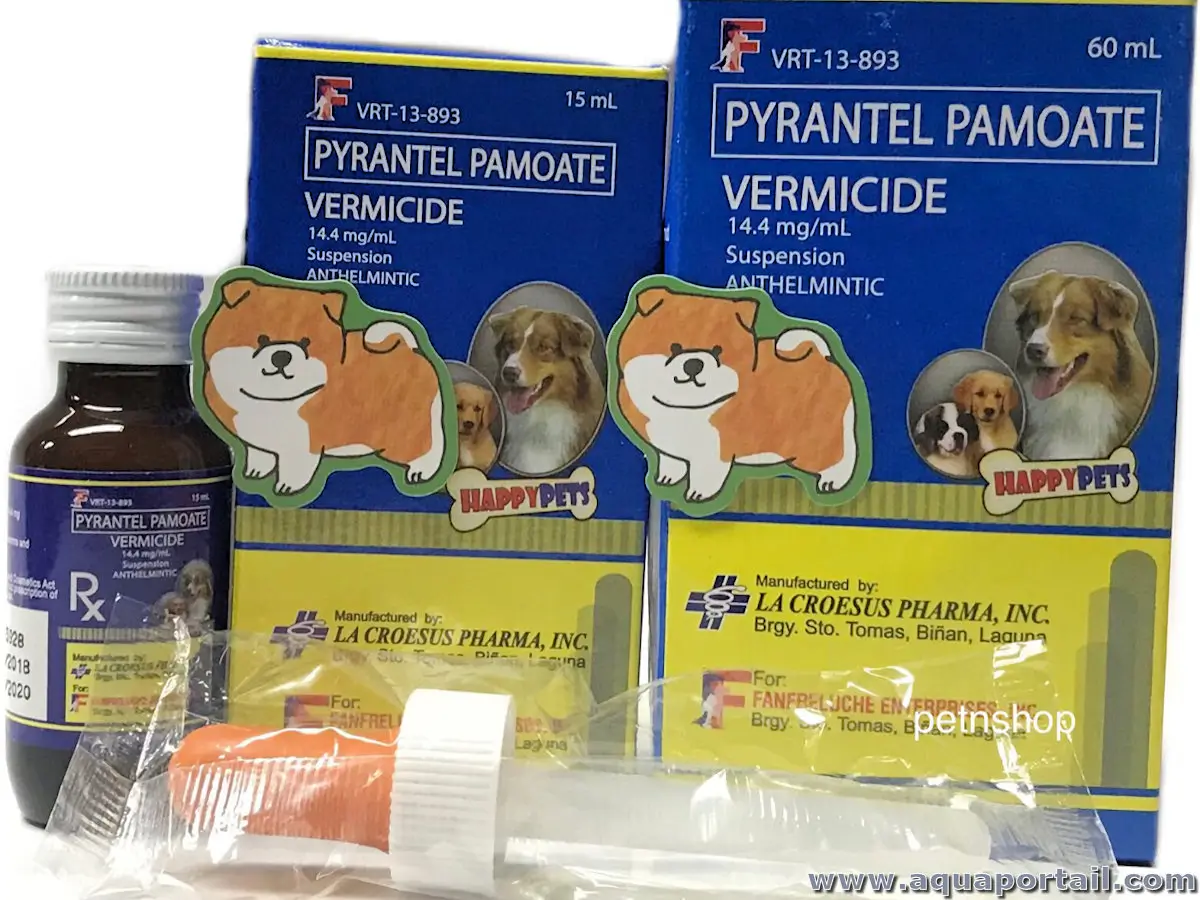
A vermicide is an antiparasitic drug (anthelmintic) that kills parasitic worms (helminths) in the body without causing significant harm to the host.
