
Fichas de peces (página 32)
La página 32 de la lista de especies en la categoría Peces contiene 60 fichas de 2658 en total. Hay 26 géneros diferentes desde Notropis hasta Otothyropsis.
Lista des fichas de Notropis chlorocephalus a Otothyropsis piribebuy
- Notropis chlorocephalus
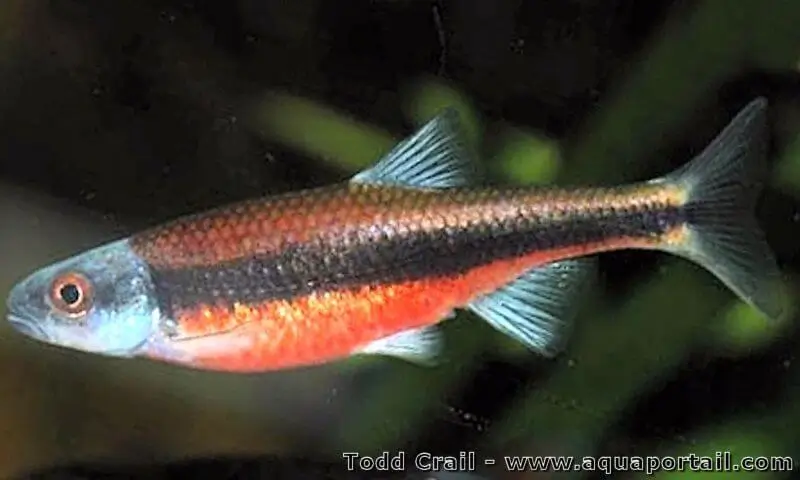
6,5 → 7,5 cm (> 120 L)
pH 6,0–7,5 | GH 3–12 | 15–22°C - Notropis chrosomus

5,5 → 8,1 cm (> 120 L)
pH 6,5–7,5 | GH 5–20 | 18–26°C - Noturus flavipinnis

7,5 → 11,5 cm (> 120 L)
pH 6,5–7,5 | GH 3–8 | 0–0°C - Noturus flavus
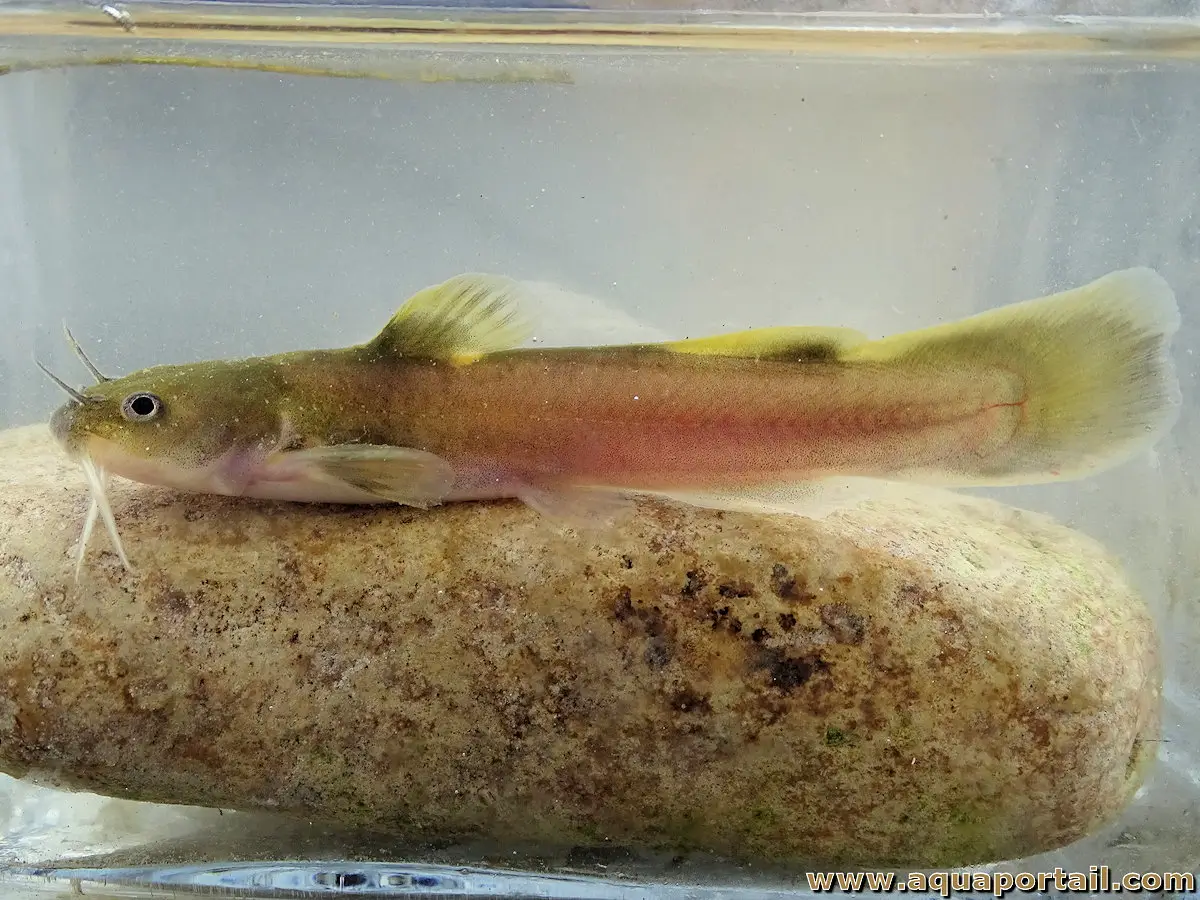
13,0 → 31,0 cm (> 300 L)
pH 6,0–8,0 | GH | 5–23°C - Novaculichthys macrolepidotus
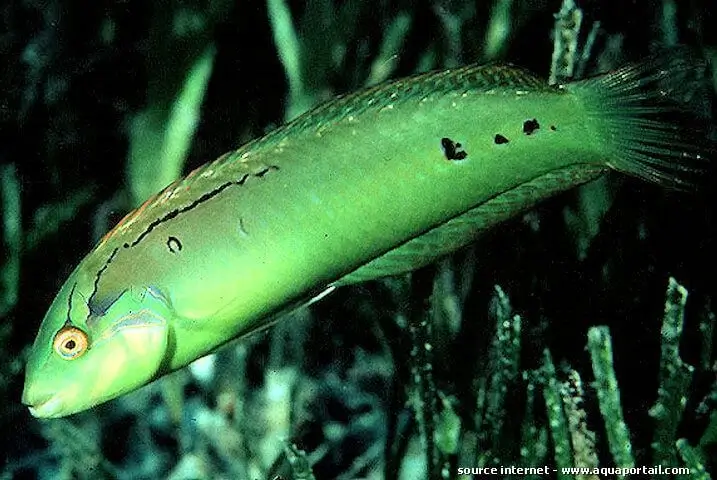
15,0 → 16,0 cm (> 450 L)
pH 8,0–8,5 | GH | 23–28°C - Novaculichthys taeniourus
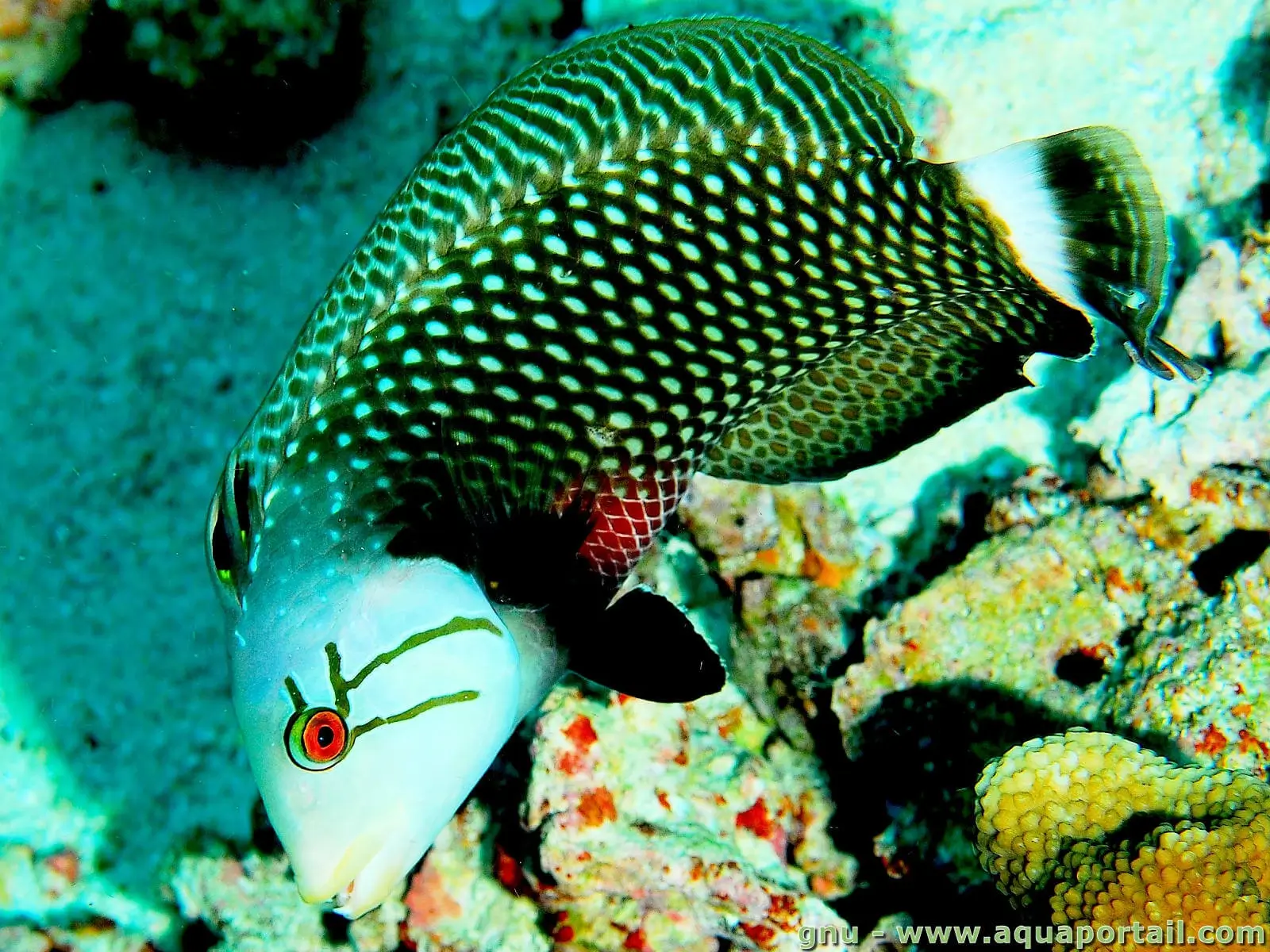
25,0 → 30,0 cm (> 800 L)
pH 8,0–8,5 | GH | 23–28°C - Odontanthias borbonius

12,0 → 15,0 cm (> L)
pH 8,0–8,5 | GH | 23–28°C - Odontanthias tapui
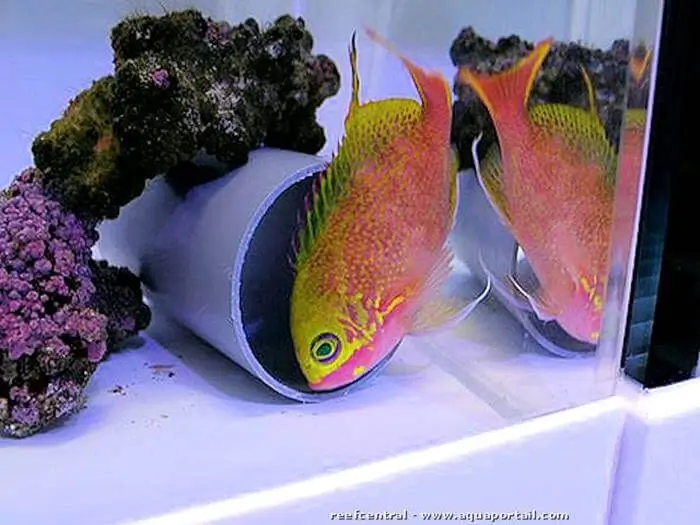
12,0 → 15,0 cm (> L)
pH 8,0–8,5 | GH | 23–28°C - Odontocharacidium aphanes

1,5 → 1,7 cm (> 20 L)
pH 5,5–7,0 | GH 1–8 | 24–28°C - Odonus niger
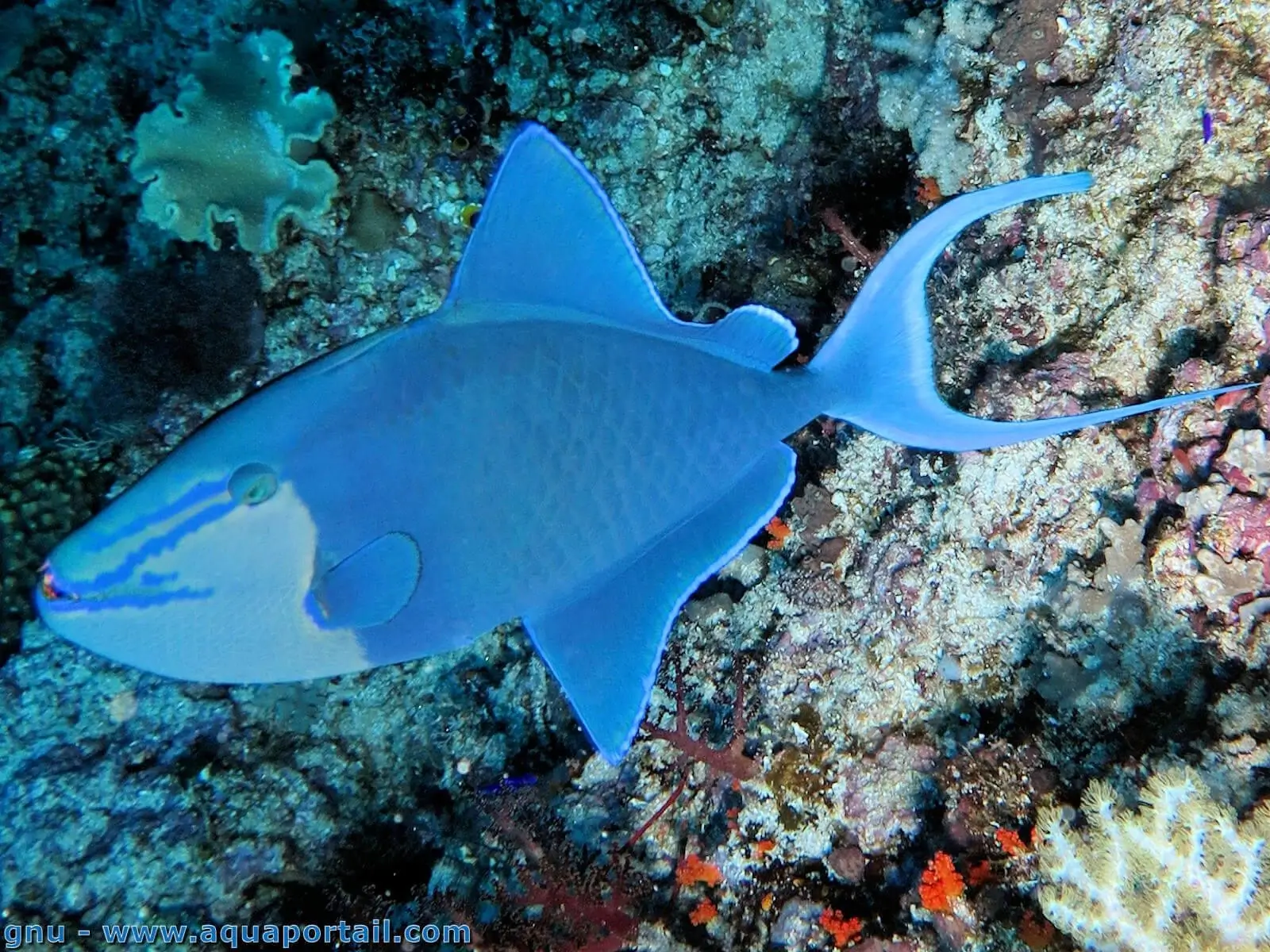
40,0 → 50,0 cm (> L)
pH 8,0–8,5 | GH | 23–28°C - Oligolepis acutipennis
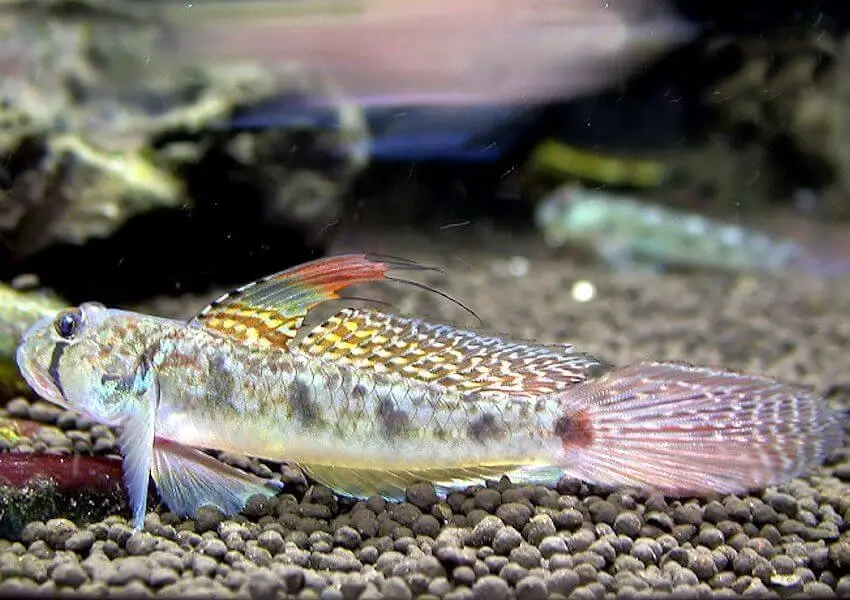
9,0 → 12,0 cm (> 120 L)
pH 7,0–8,0 | GH 8–30 | 22–28°C - Oliotius oligolepis

4,0 → 5,0 cm (> 80 L)
pH 5,5–6,5 | GH 1–8 | 20–24°C - Olyra longicaudata
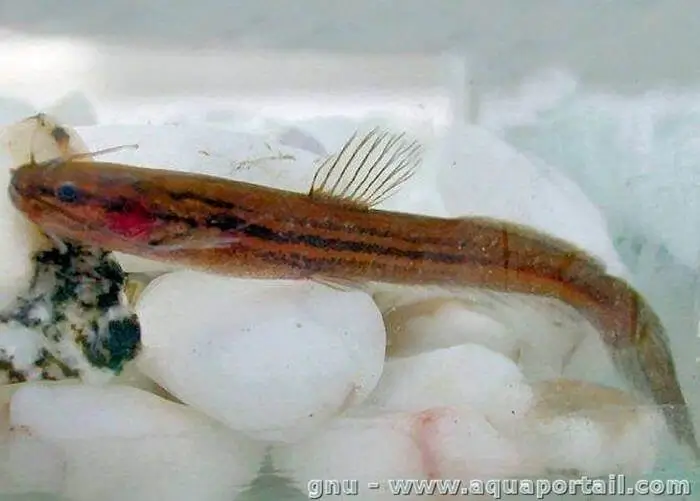
8,0 → 11,0 cm (> 120 L)
pH 6,0–7,0 | GH 3–10 | 16–22°C - Ompok bimaculatus
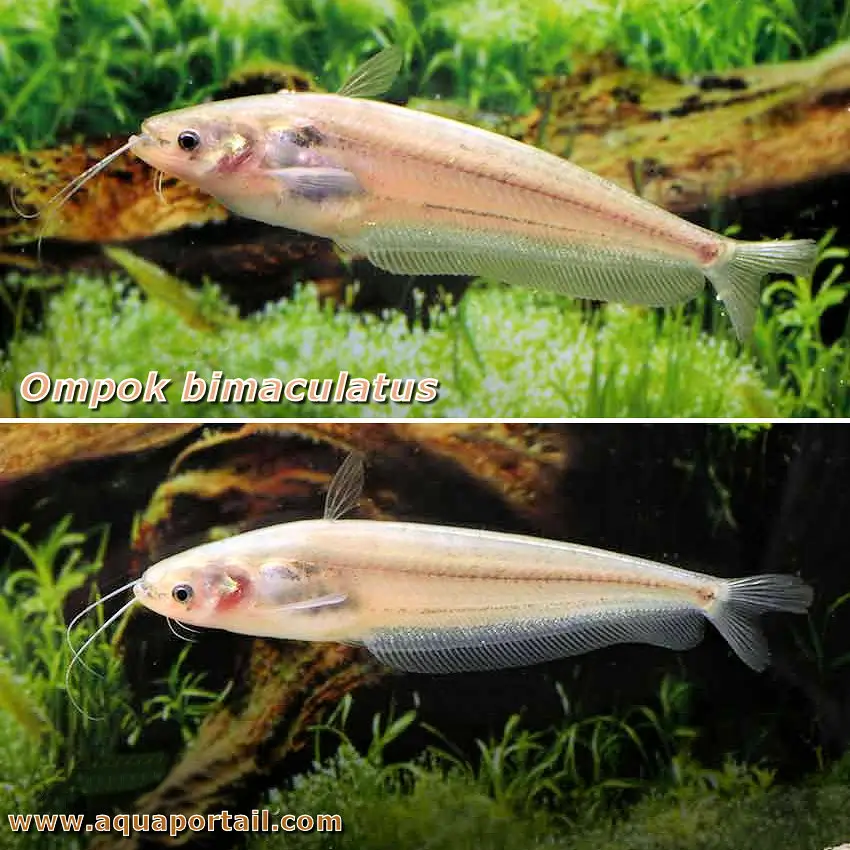
30,0 → 45,0 cm (> 1500 L)
pH 6,0–8,0 | GH 3–15 | 20–26°C - Ompok karunkodu
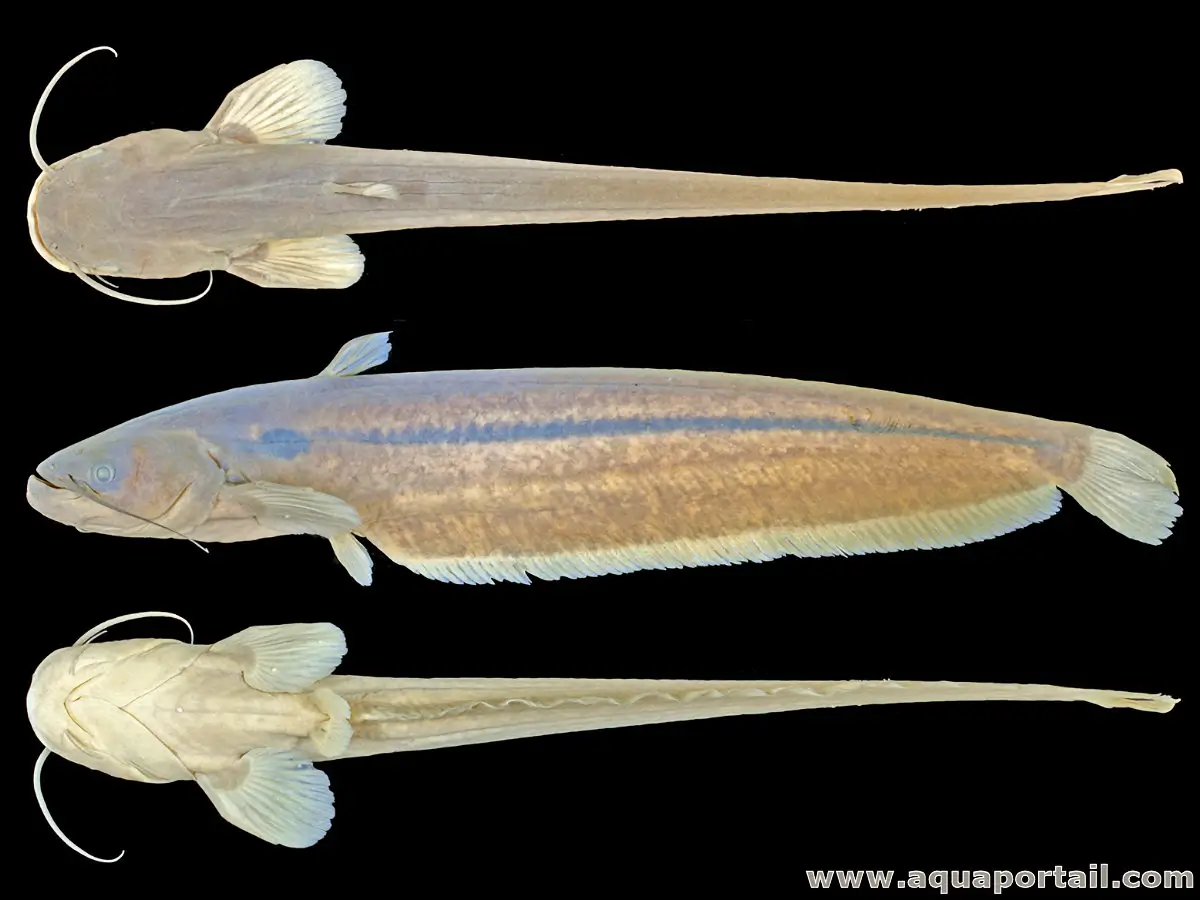
18,0 → 23,0 cm (> 450 L)
pH 6,5–7,5 | GH 3–12 | 23–27°C - Ompok pabda
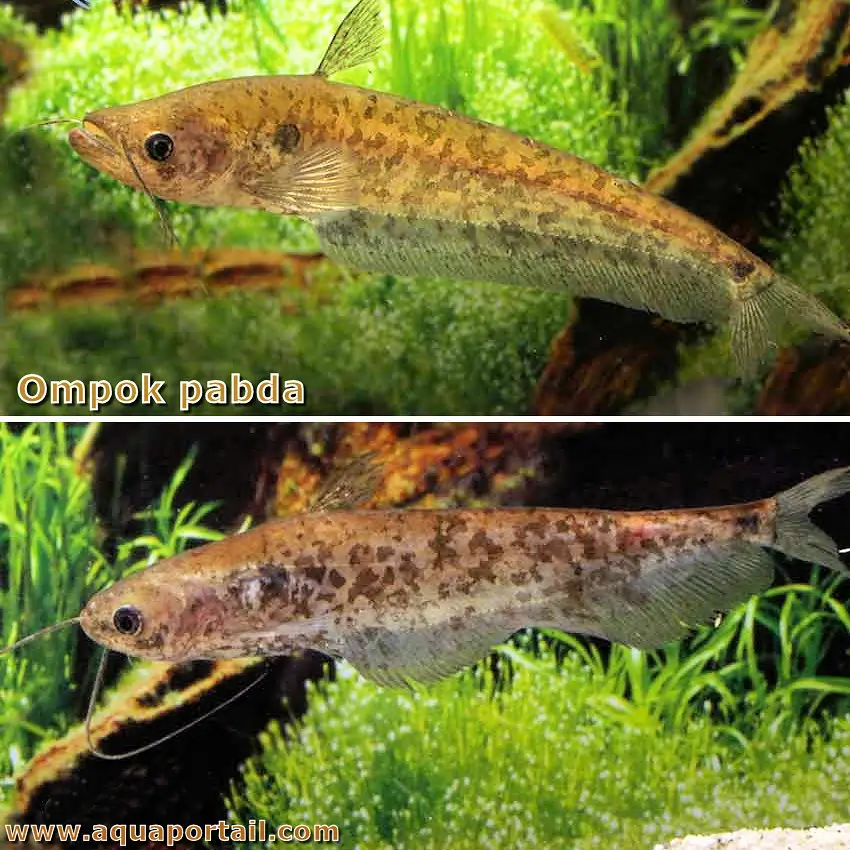
17,0 → 25,0 cm (> 800 L)
pH 6,0–8,0 | GH 3–15 | 20–26°C - Oncorhynchus mykiss
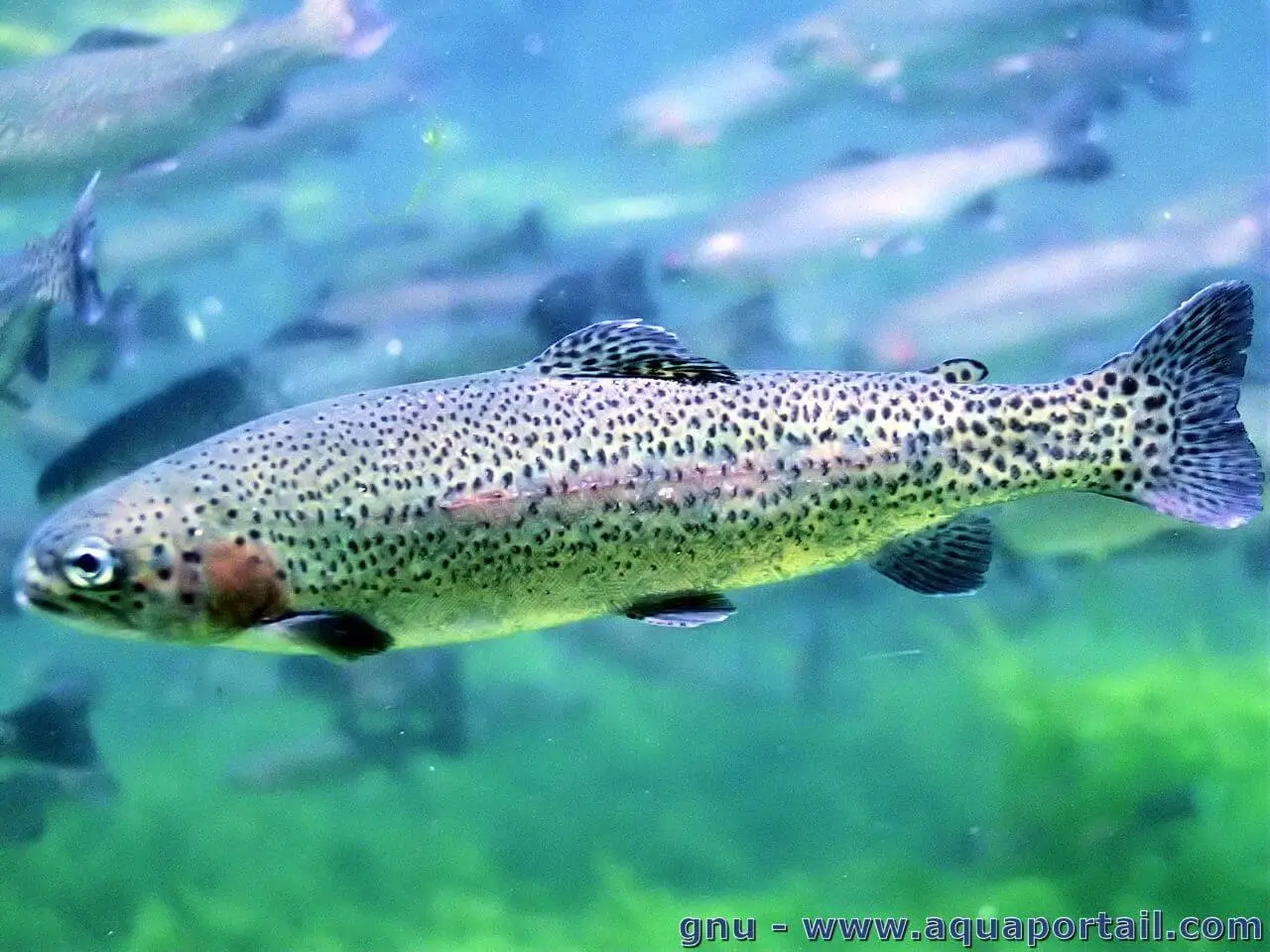
50,0 → 120,0 cm (> 6000 L)
pH 6,0–8,5 | GH 5–30 | 10–24°C - Oncorhynchus tshawytscha
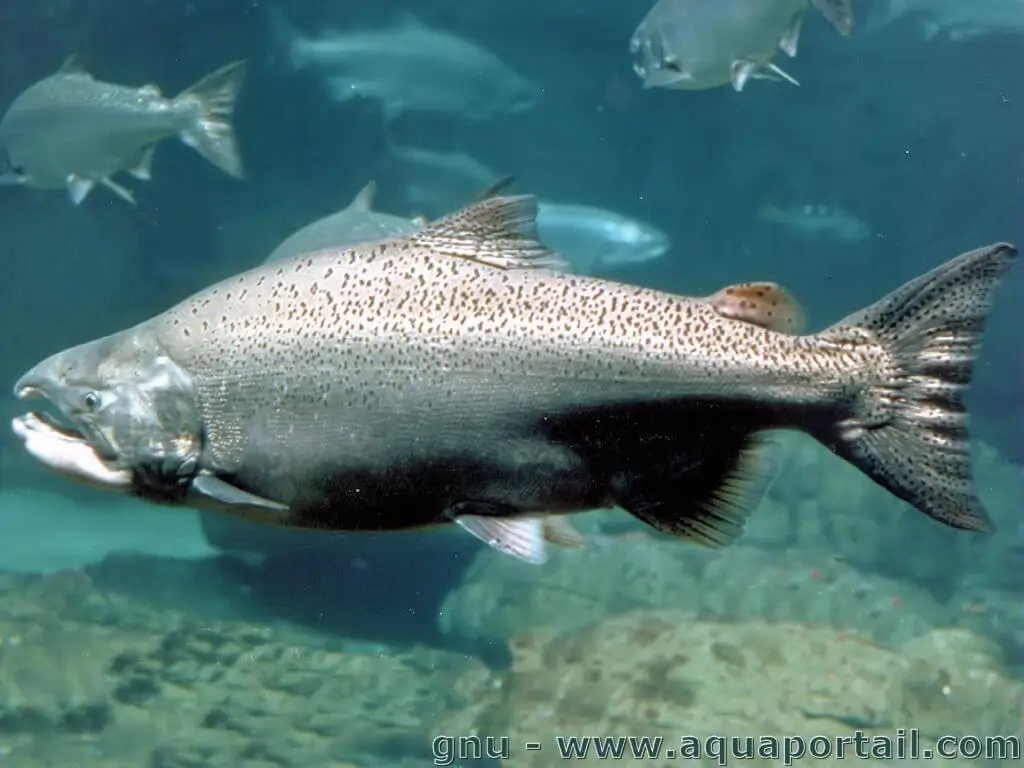
60,0 → 150,0 cm (> 6000 L)
pH 6,0–8,5 | GH 8–30 | 10–27°C - Ophthalmolepis lineolata
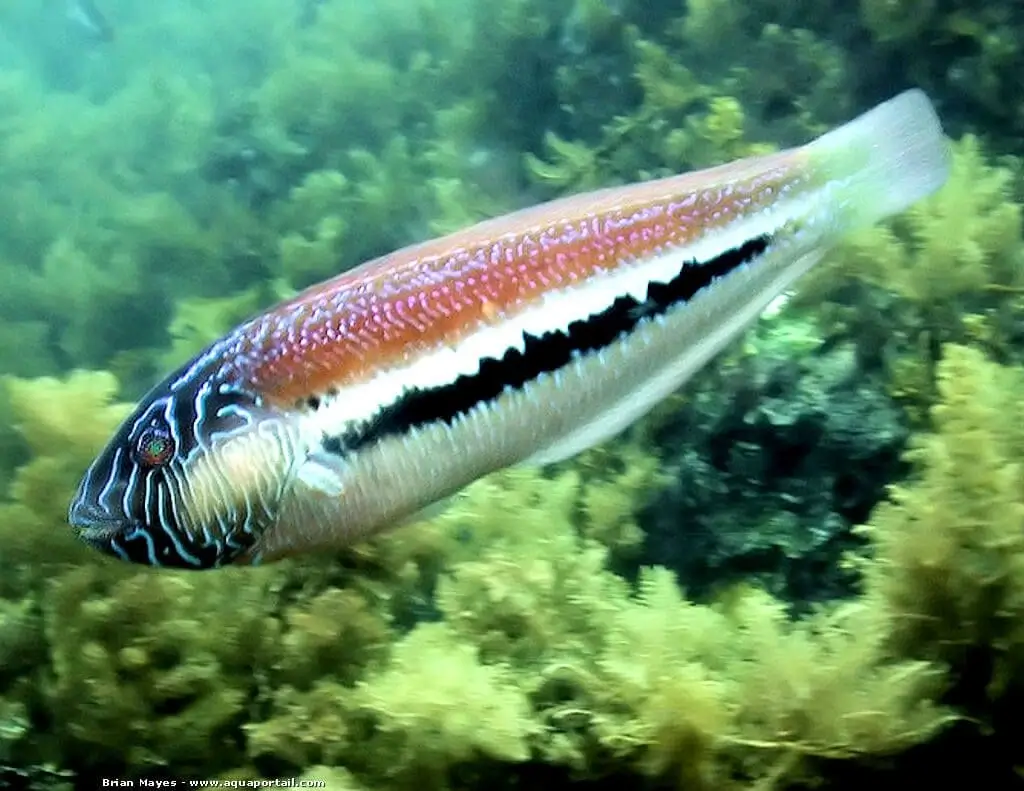
30,0 → 40,0 cm (> 800 L)
pH 8,0–8,5 | GH | 23–28°C - Opistognathus aurifrons
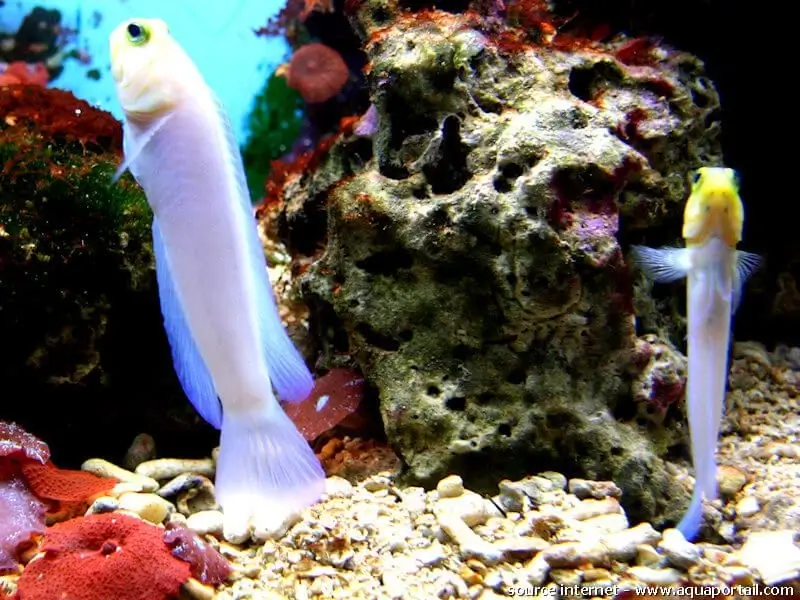
10,0 → 15,0 cm (> 300 L)
pH | GH | 23–28°C - Opistognathus pardus
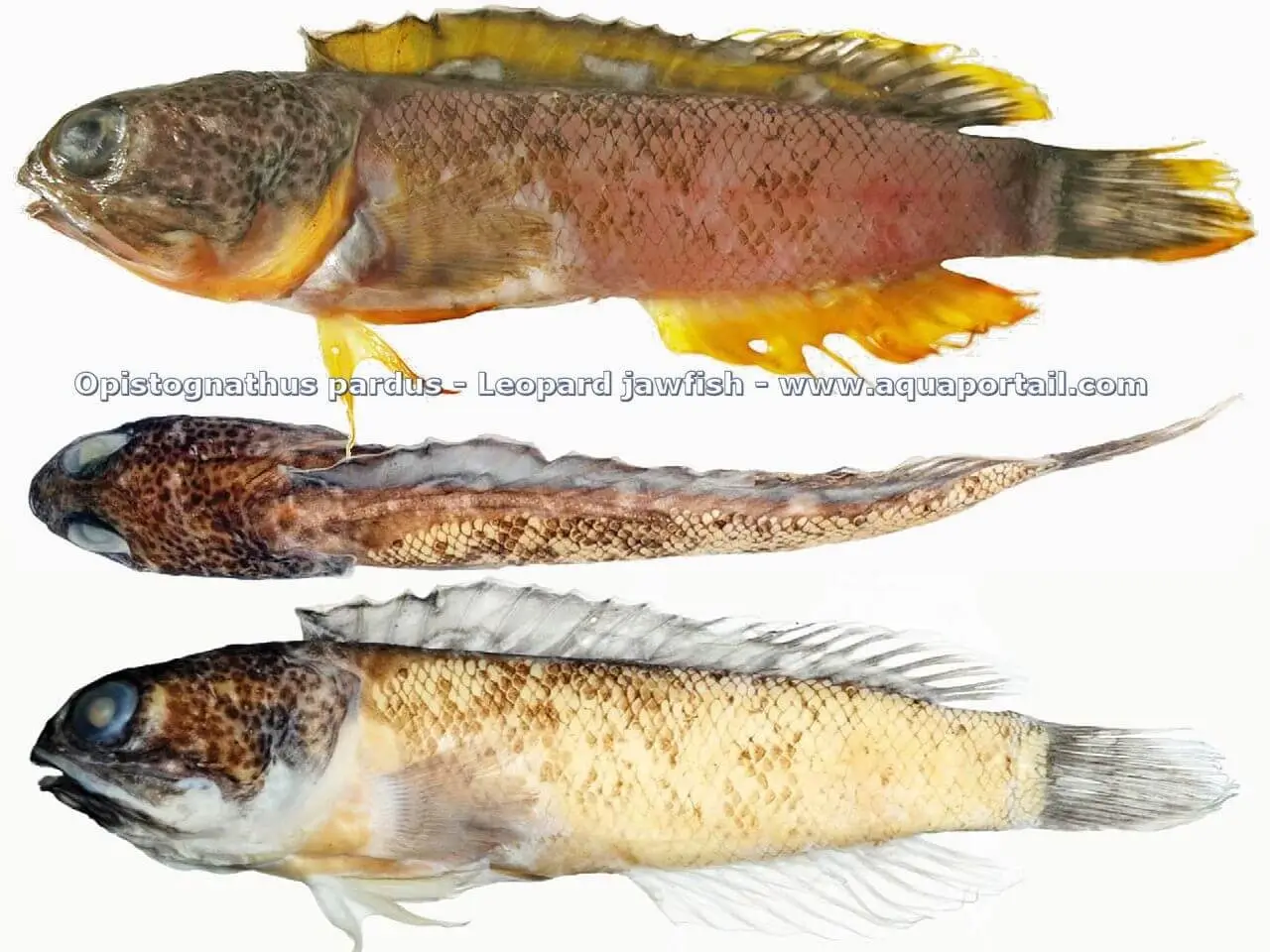
6,0 → 10,0 cm (> 200 L)
pH | GH | 23–28°C - Opistognathus rosenbergii
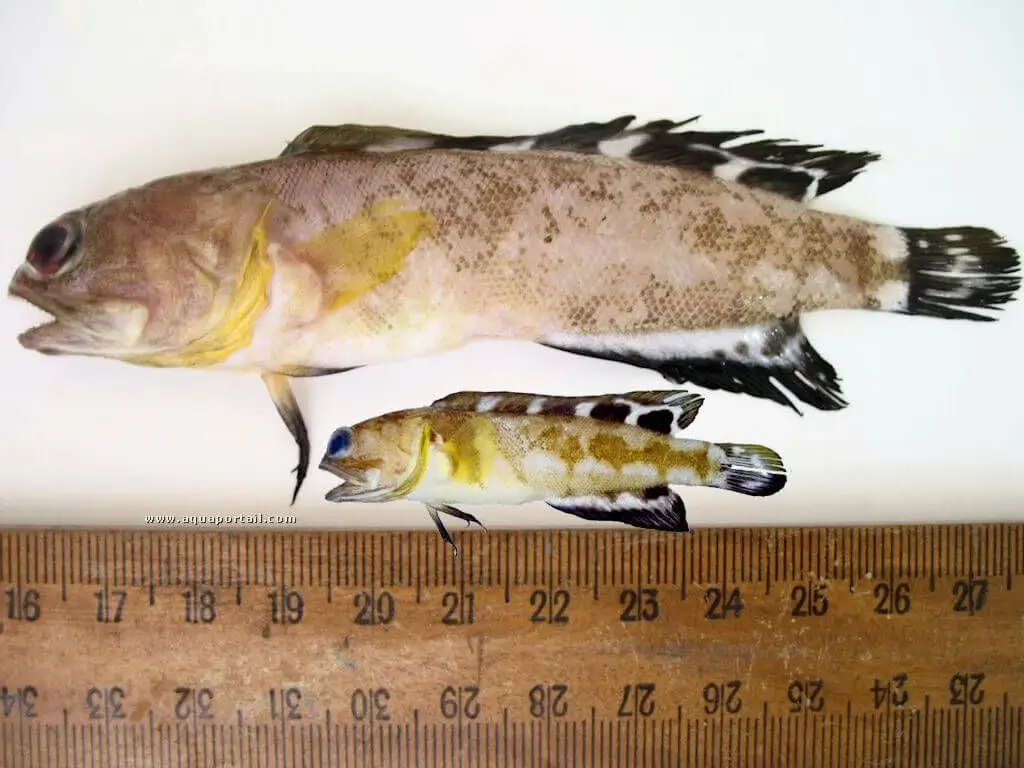
9,0 → 11,0 cm (> 200 L)
pH | GH | 23–28°C - Opistognathus rosenblatti
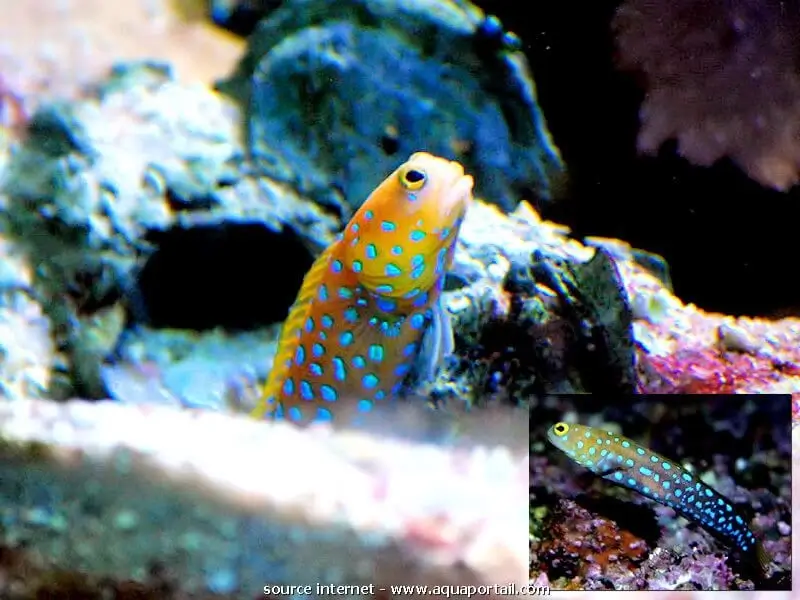
8,0 → 10,0 cm (> 200 L)
pH | GH | 23–28°C - Opsodoras stuebelii
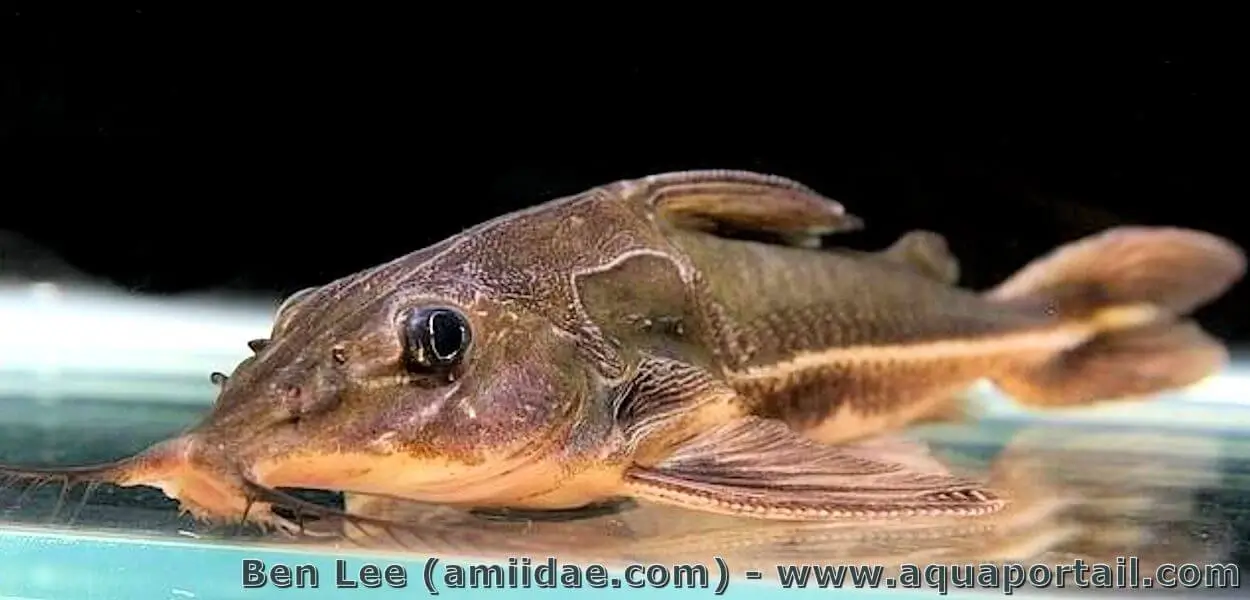
10,0 → 15,0 cm (> 200 L)
pH 5,0–7,5 | GH 3–20 | 18–27°C - Oreichthys cosuatis
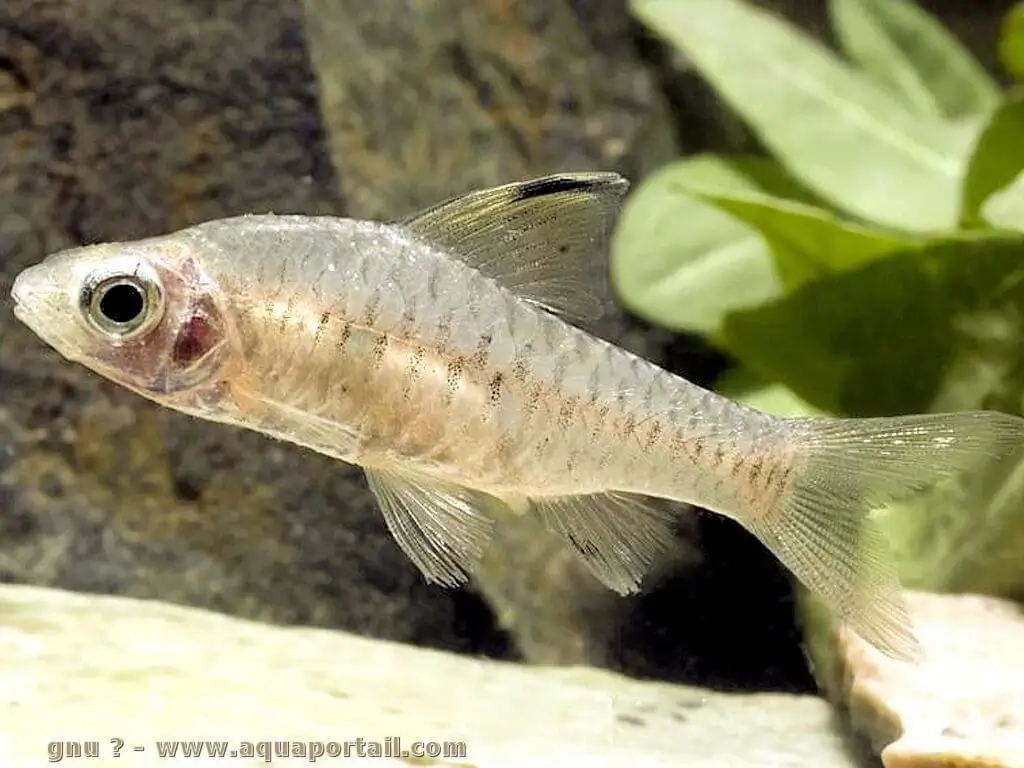
4,0 → 4,5 cm (> 120 L)
pH 6,5–7,5 | GH 3–15 | 22–25°C - Oreichthys crenuchoides
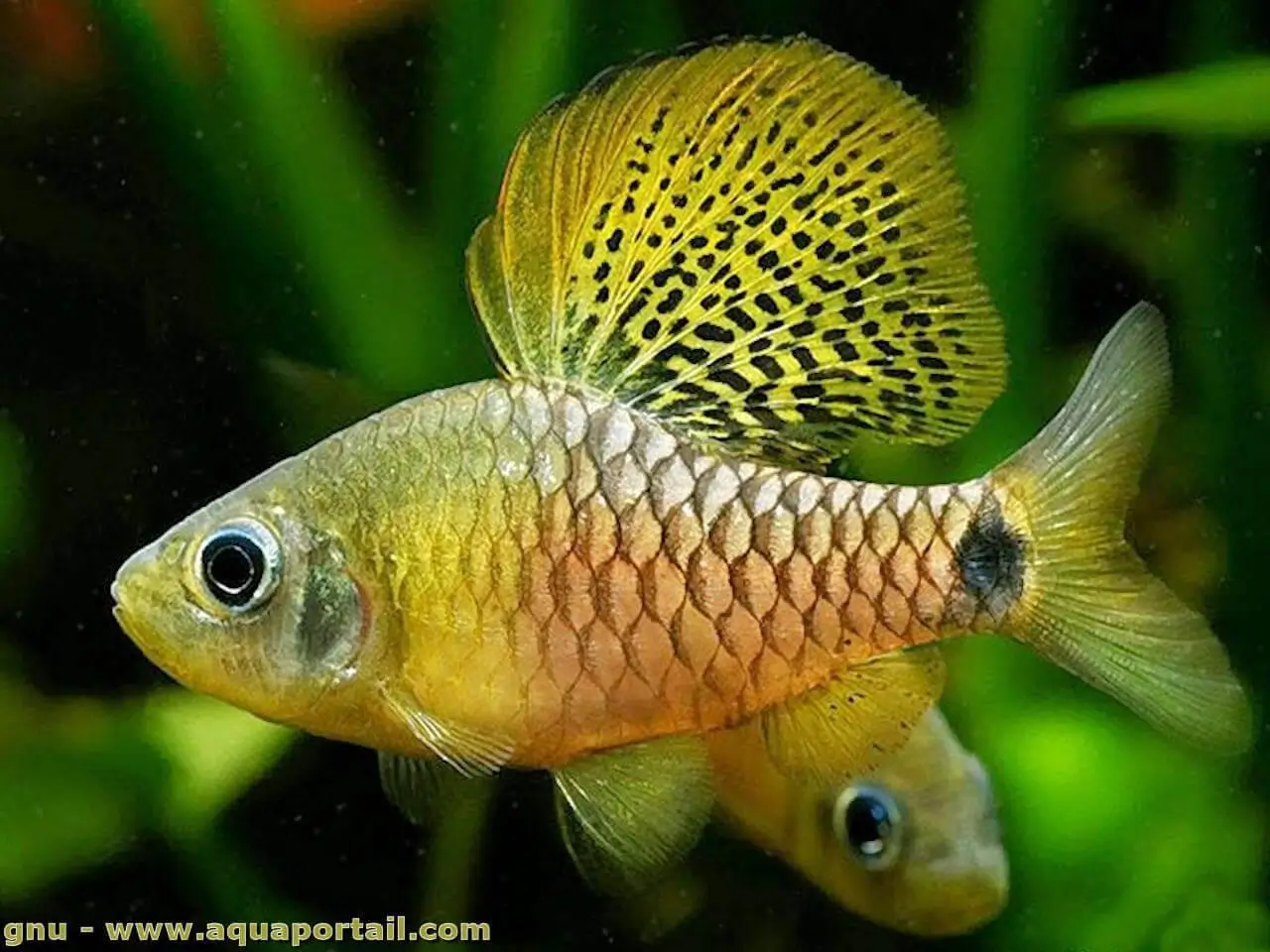
2,5 → 3,5 cm (> 50 L)
pH 6,0–7,5 | GH 3–12 | 22–26°C - Oreichthys parvus
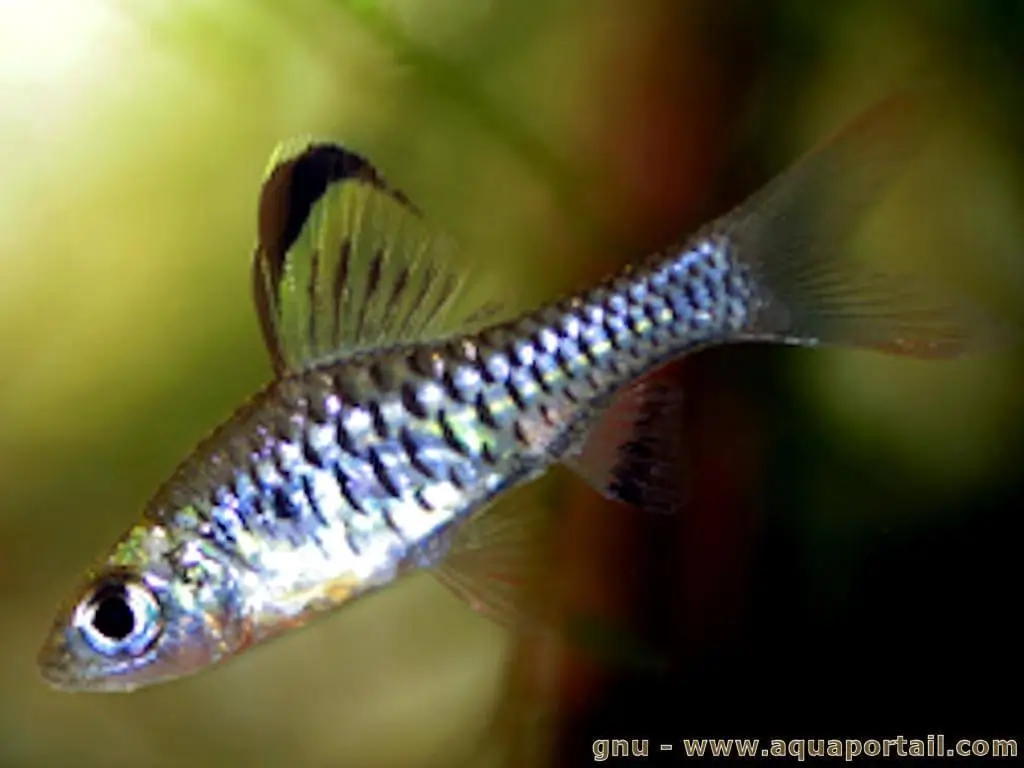
2,5 → 3,5 cm (> 80 L)
pH 6,0–7,5 | GH 3–12 | 22–26°C - Oreochromis mossambicus

30,0 → 40,0 cm (> 1500 L)
pH 5,5–8,0 | GH 3–20 | 17–35°C - Oreochromis tanganicae
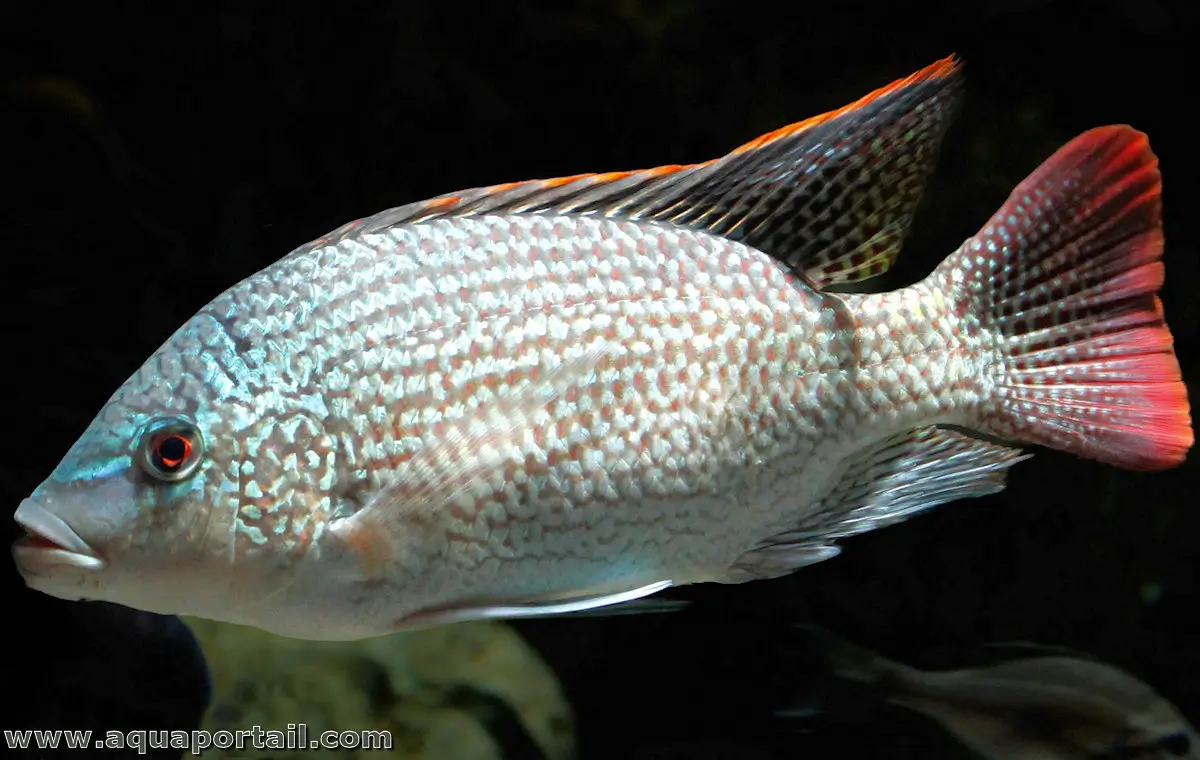
35,0 → 42,0 cm (> 1500 L)
pH 7,5–8,5 | GH 10–20 | 24–26°C - Oryzias latipes
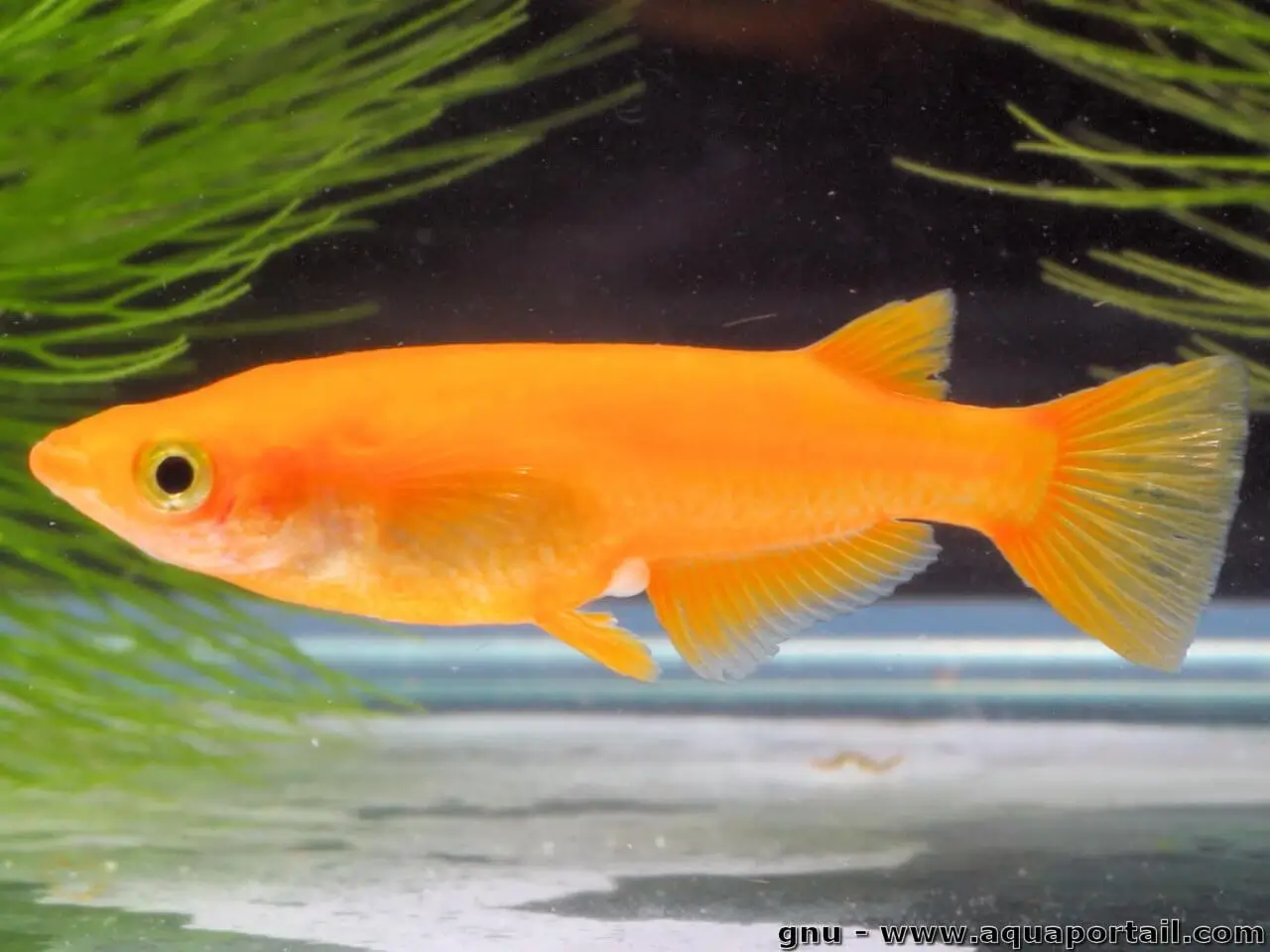
3,0 → 3,6 cm (> 50 L)
pH 6,5–8,5 | GH 8–30 | 16–22°C - Oryzias mekongensis

1,5 → 2,5 cm (> 50 L)
pH 6,0–7,5 | GH 3–8 | 23–27°C - Osmerus eperlanus
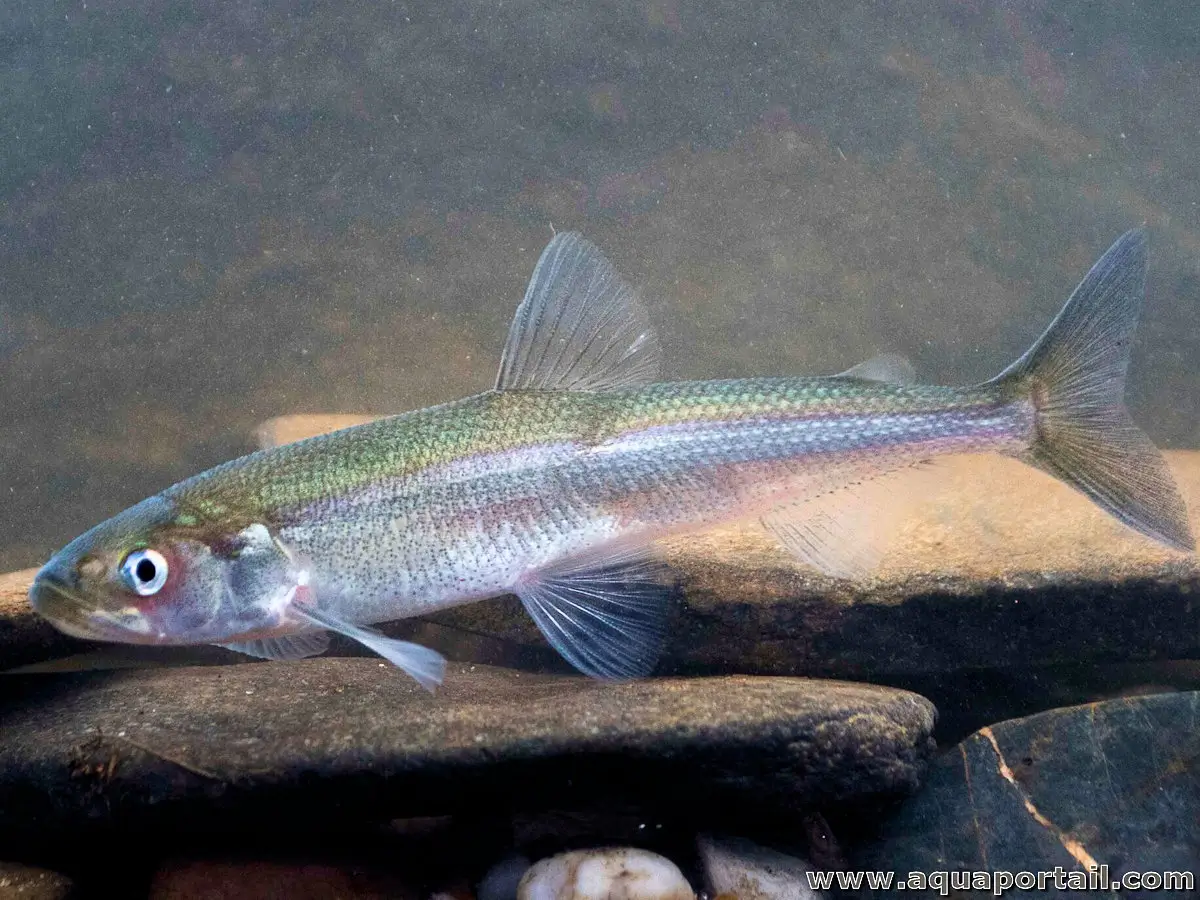
15,0 → 18,0 cm (> 6000 L)
pH | GH | 0–0°C - Osmerus mordax
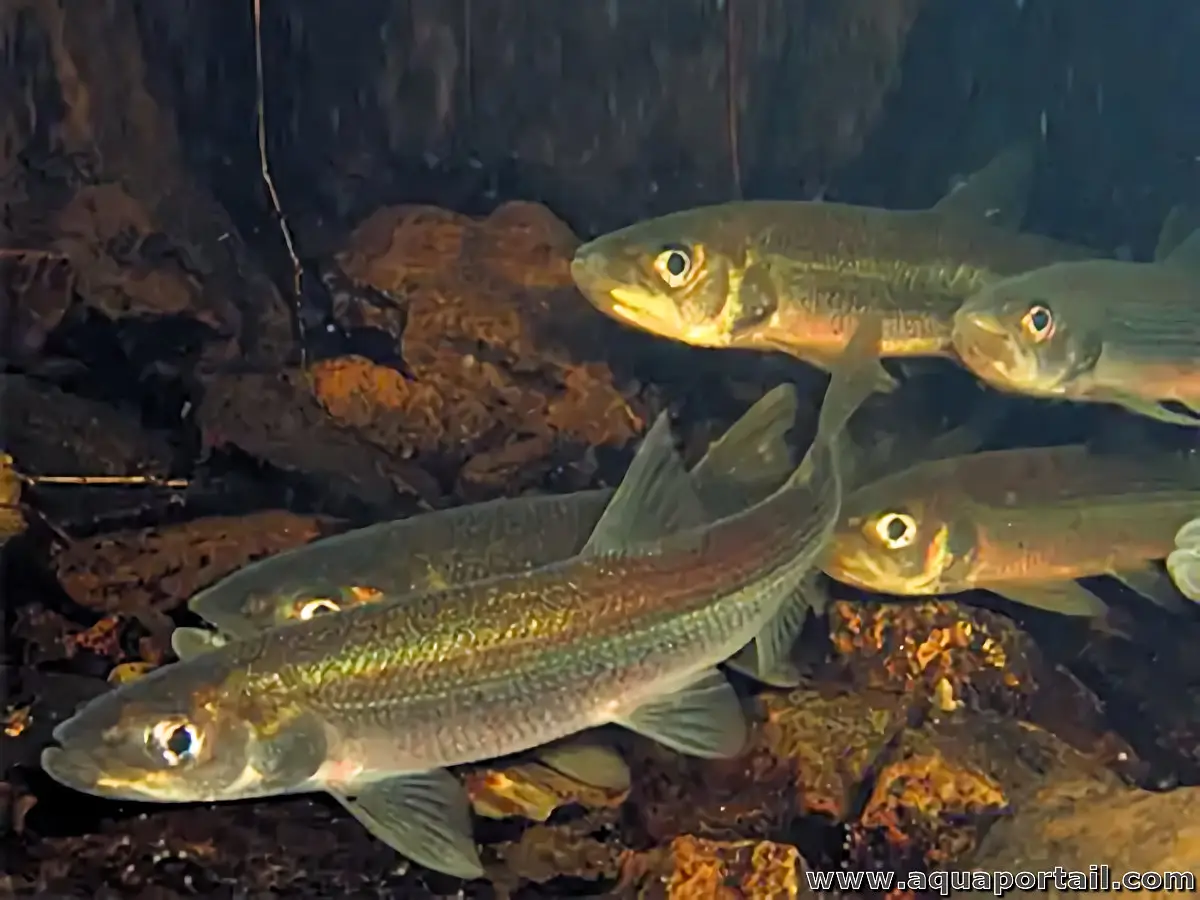
15,0 → 35,0 cm (> 6000 L)
pH | GH | -2–22°C - Osphronemus goramy
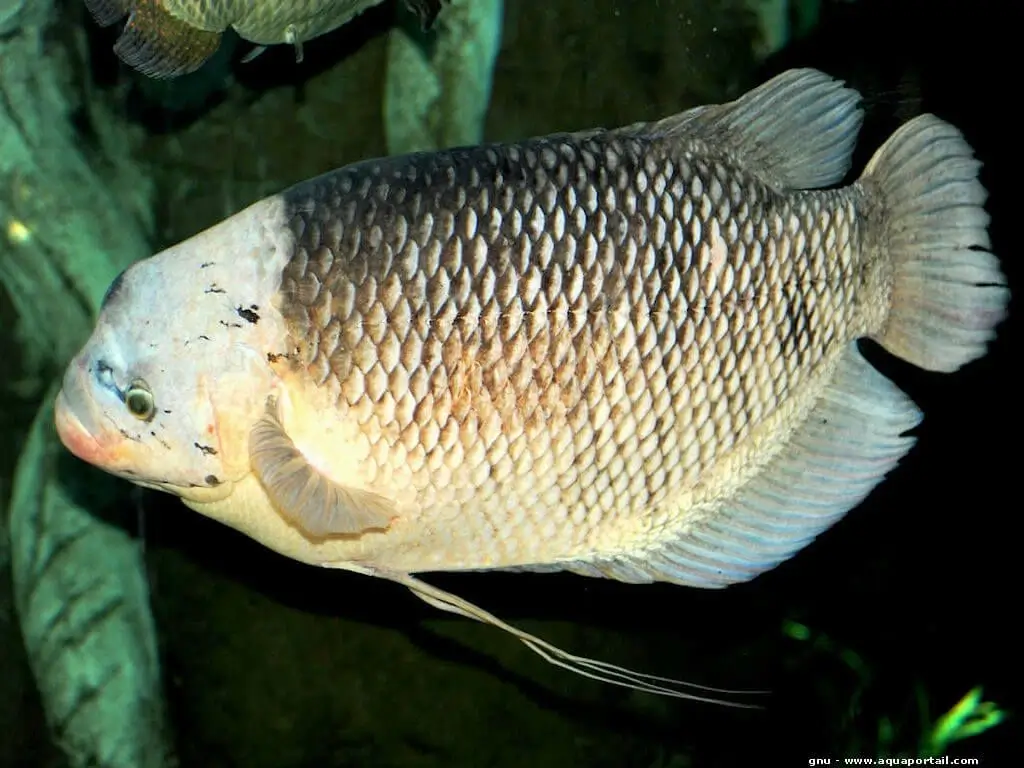
45,0 → 70,0 cm (> 1500 L)
pH 6,5–8,0 | GH 5–25 | 18–31°C - Osphronemus laticlavius
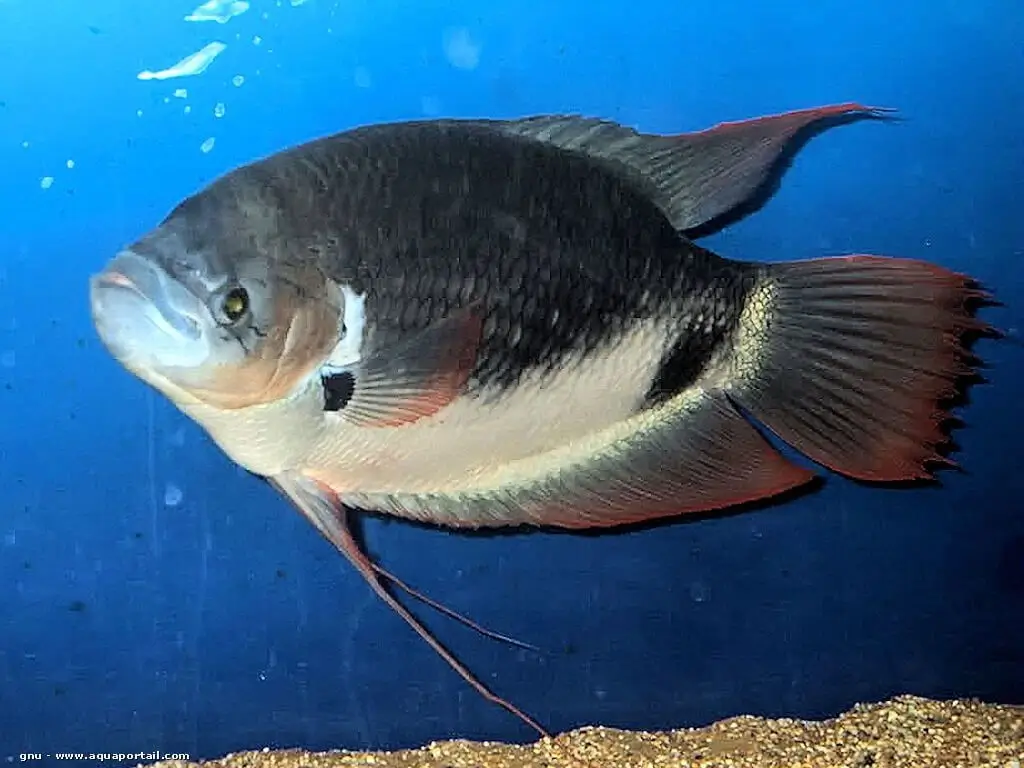
35,0 → 50,0 cm (> 1500 L)
pH 5,0–8,0 | GH 3–30 | 22–29°C - Ossancora punctata
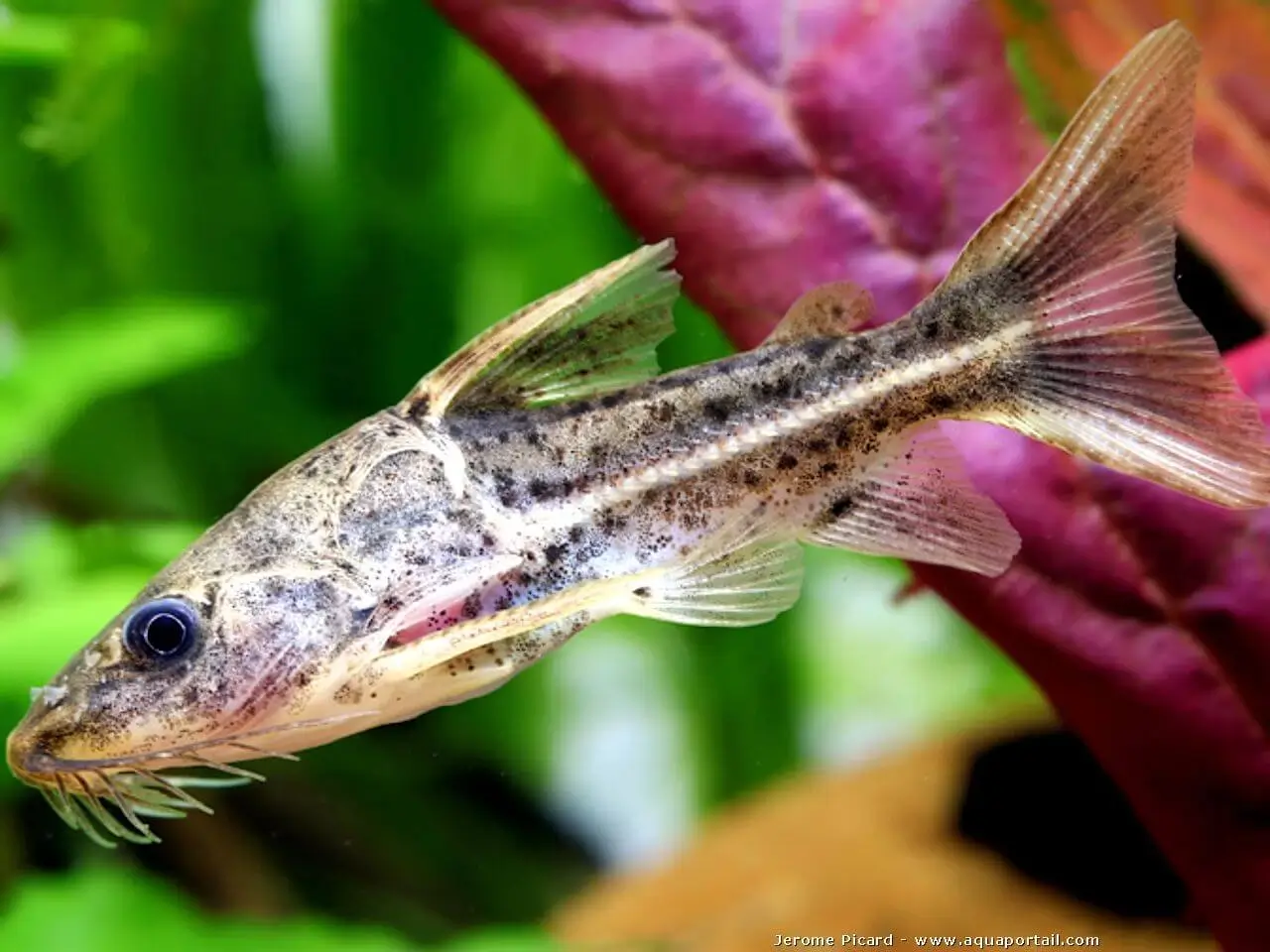
10,0 → 11,0 cm (> 120 L)
pH 5,5–7,5 | GH 3–15 | 22–27°C - Osteogaster eques
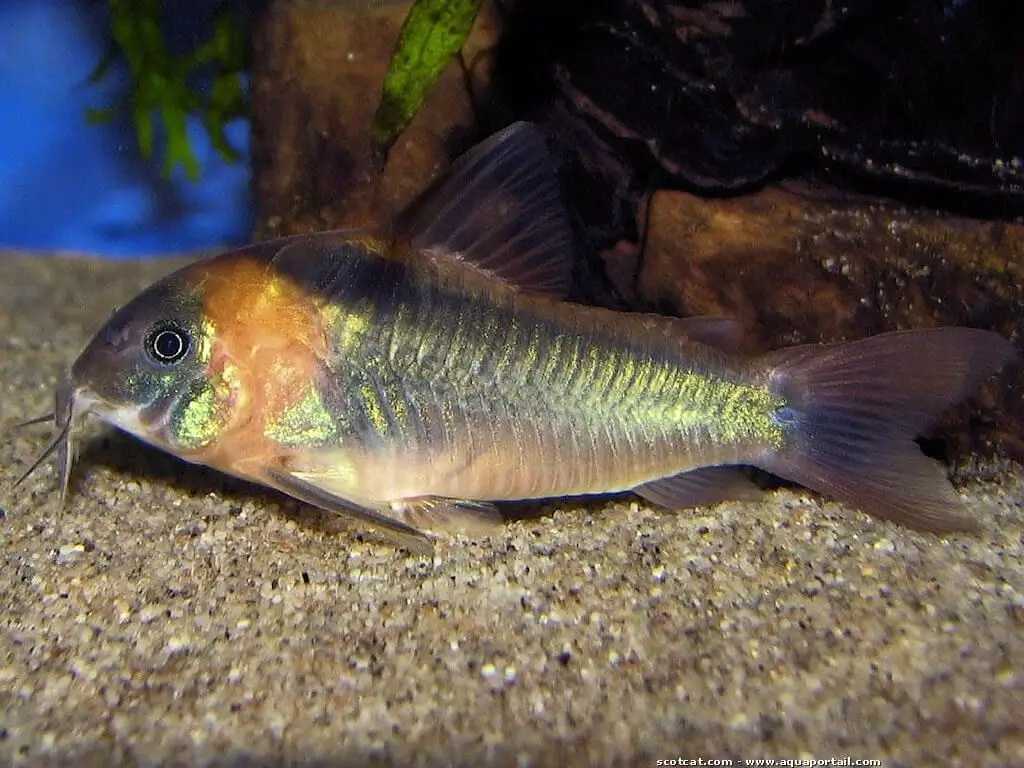
4,8 → 5,5 cm (> 80 L)
pH 5,5–7,5 | GH 1–15 | 22–27°C - Osteogaster hephaestus

1,9 → 3,5 cm (> 50 L)
pH 5,5–7,5 | GH 1–10 | 22–28°C - Osteogaster maclurei

3,5 → 4,8 cm (> 120 L)
pH 5,5–7,0 | GH 3–8 | 19–25°C - Osteogaster melanotaenia

5,0 → 5,8 cm (> 80 L)
pH 6,0–7,5 | GH 5–20 | 22–26°C - Osteogaster rabauti
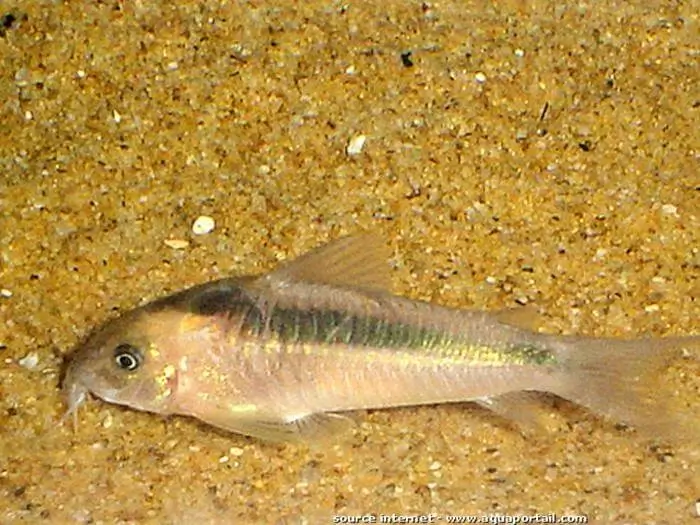
4,5 → 5,5 cm (> 80 L)
pH 5,5–7,0 | GH 1–12 | 23–25°C - Osteogaster zygata

5,0 → 6,0 cm (> 80 L)
pH 6,0–7,5 | GH 2–25 | 16–25°C - Osteoglossum bicirrhosum

80,0 → 120,0 cm (> 6000 L)
pH 6,5–7,0 | GH 1–10 | 23–29°C - Osteoglossum ferreirai

70,0 → 110,0 cm (> 6000 L)
pH 5,0–6,5 | GH 1–5 | 24–30°C - Ostracion cubicus

43,0 → 47,0 cm (> L)
pH 8,0–8,5 | GH | 23–28°C - Ostracion meleagris

23,0 → 27,0 cm (> L)
pH 8,0–8,5 | GH | 23–28°C - Otocinclus arnoldi
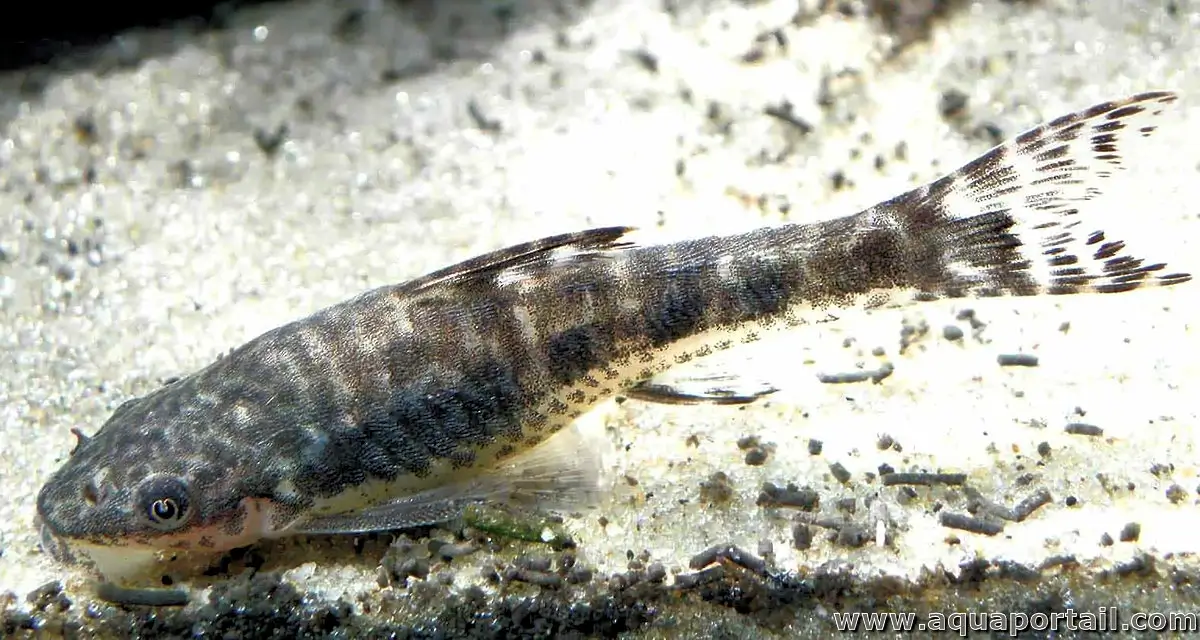
4,2 → 5,0 cm (> 120 L)
pH 5,5–7,0 | GH 3–10 | 16–25°C - Otocinclus cocama

3,8 → 4,4 cm (> 50 L)
pH 5,5–7,0 | GH 1–8 | 24–28°C - Otocinclus hoppei
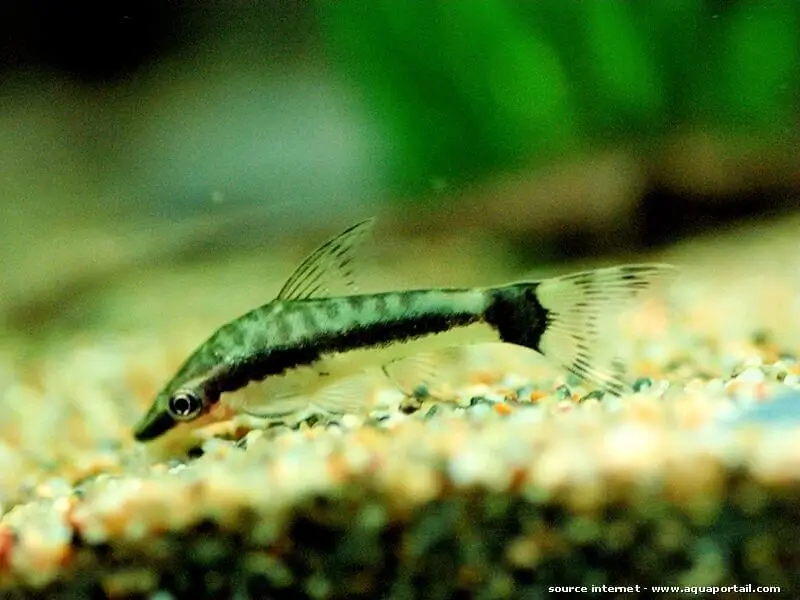
3,0 → 3,5 cm (> 80 L)
pH 5,5–7,0 | GH 1–8 | 24–28°C - Otocinclus macrospilus
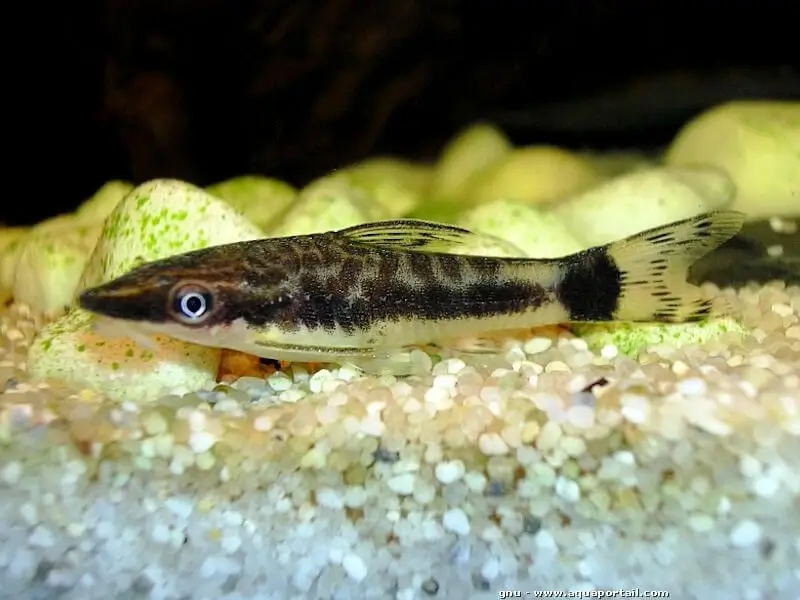
3,0 → 3,5 cm (> 80 L)
pH 5,5–7,5 | GH 1–10 | 21–26°C - Otocinclus mimulus
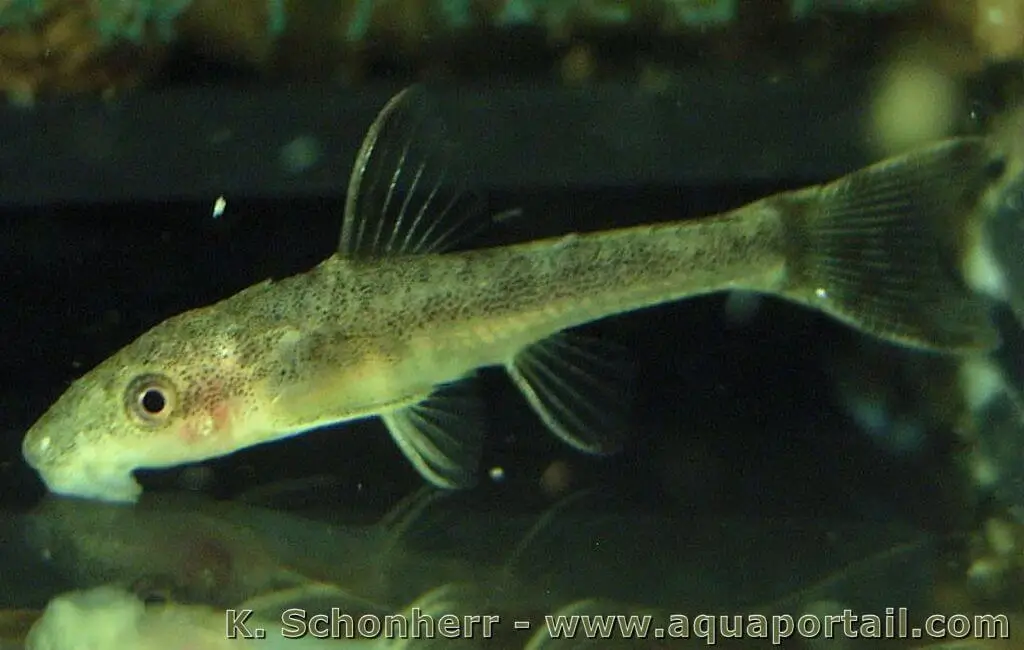
4,0 → 5,0 cm (> 120 L)
pH 6,0–7,5 | GH 1–5 | 17–24°C - Otocinclus vestitus
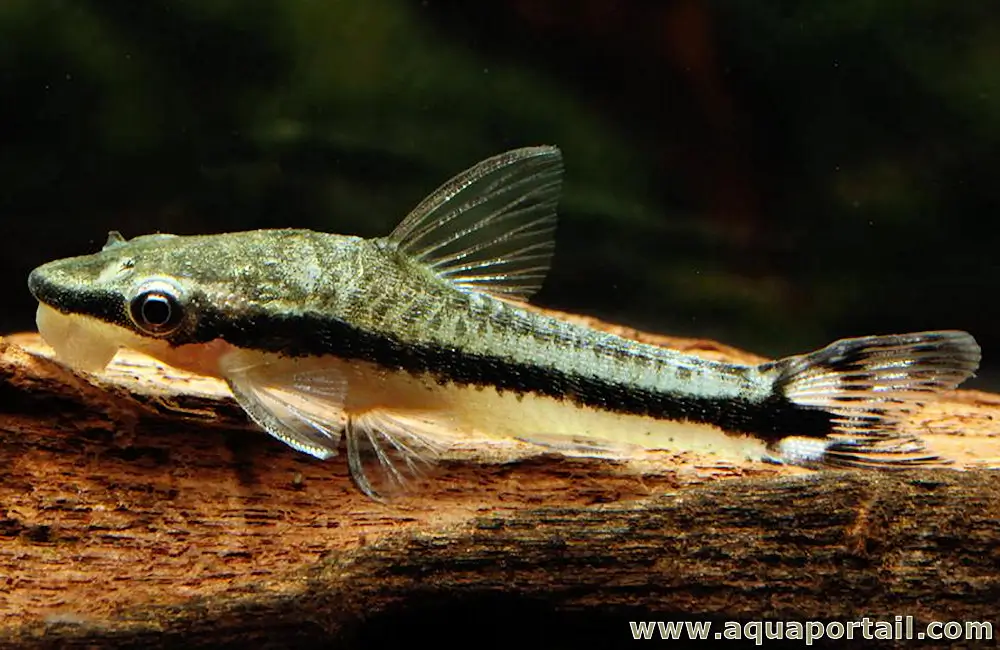
2,8 → 3,2 cm (> 50 L)
pH 6,0–7,0 | GH 3–10 | 22–26°C - Otocinclus vittatus

3,3 → 4,2 cm (> 120 L)
pH 5,5–7,5 | GH 1–10 | 21–26°C - Otopharynx argyrosoma

12,0 → 16,0 cm (> 450 L)
pH 7,5–8,5 | GH 10–20 | 23–26°C - Otopharynx heterodon
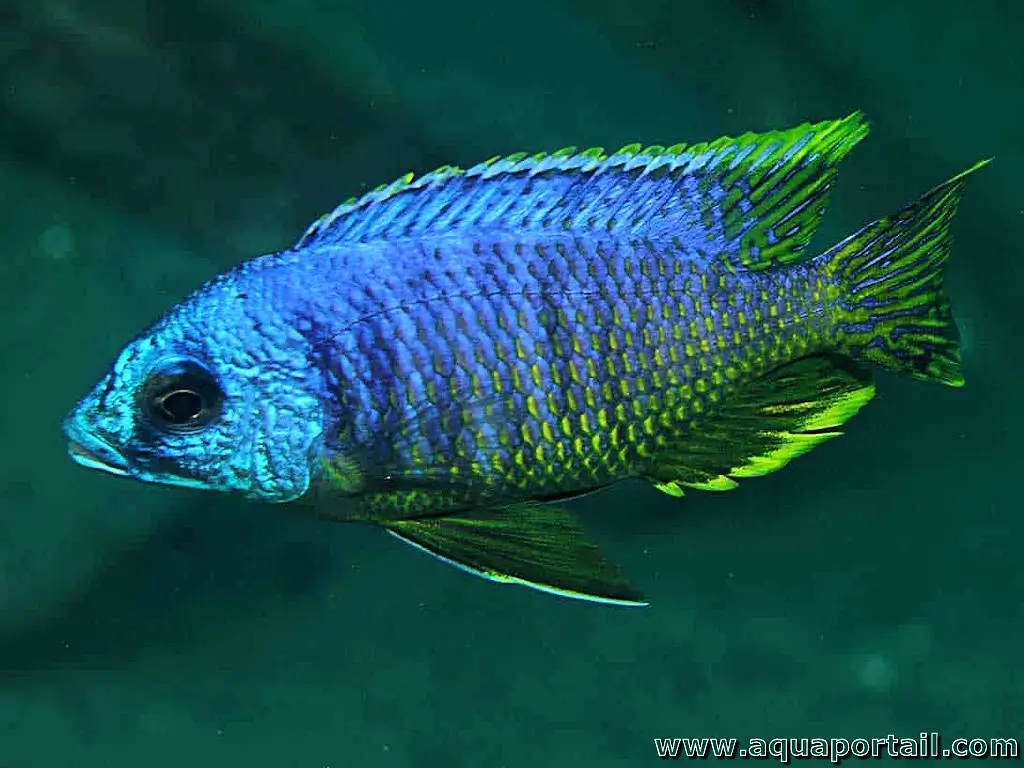
10,0 → 12,8 cm (> 450 L)
pH 7,5–8,5 | GH 10–20 | 21–25°C - Otopharynx lithobates walteri
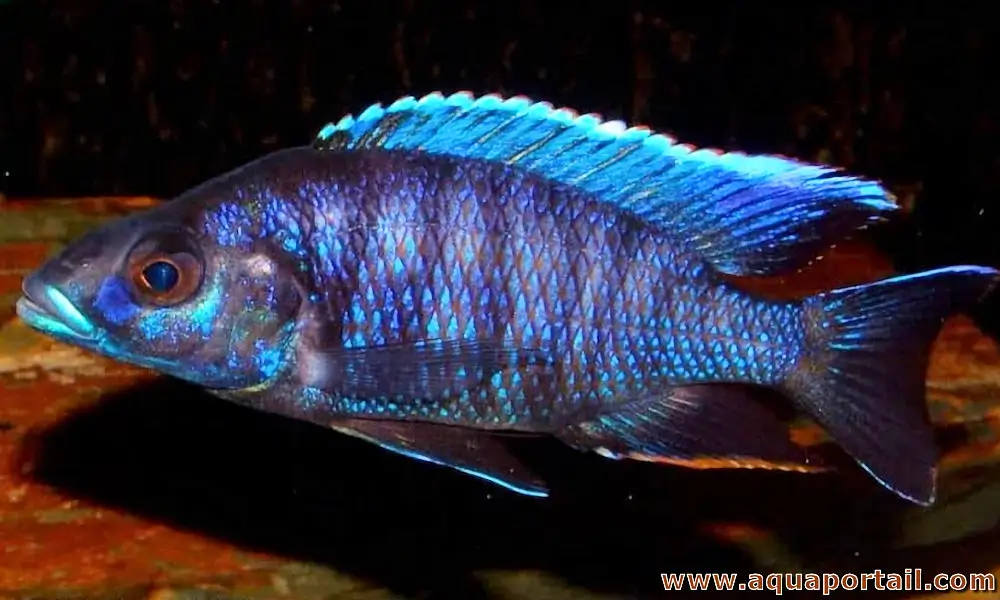
9,0 → 15,0 cm (> 450 L)
pH 7,5–8,5 | GH 10–20 | 23–26°C - Otopharynx lithobates

10,0 → 16,0 cm (> 450 L)
pH 7,5–8,5 | GH 10–20 | 24–27°C - Otopharynx tetraspilus

12,5 → 15,6 cm (> 450 L)
pH 7,5–8,5 | GH 10–20 | 22–26°C - Otopharynx tetrastigma
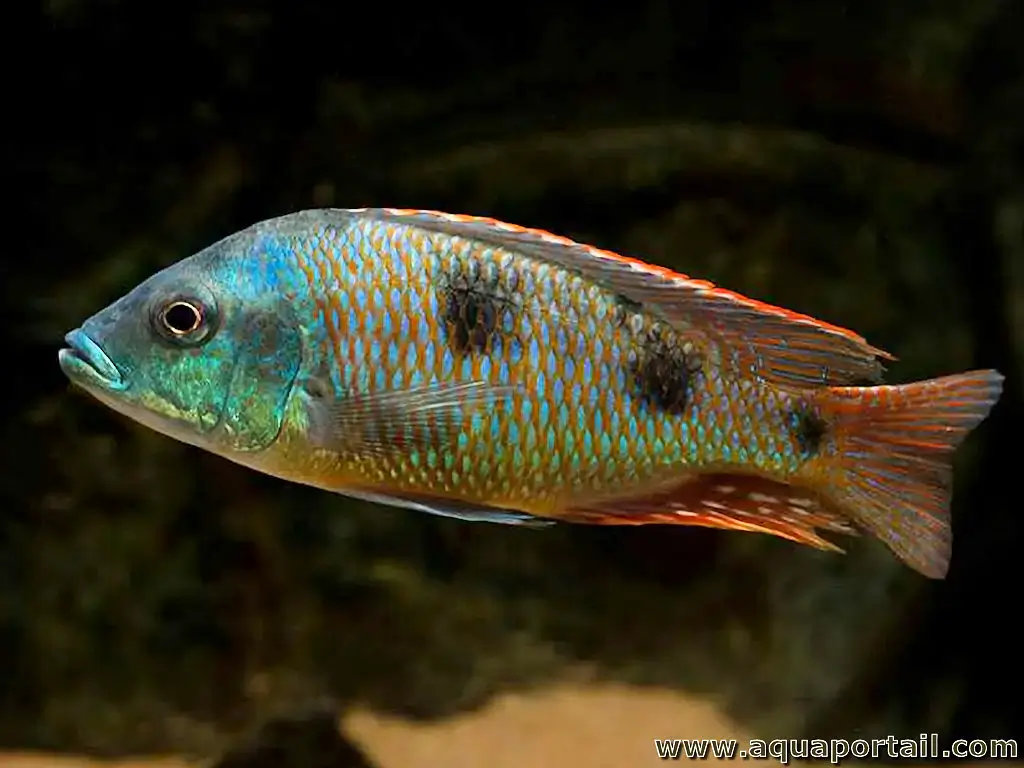
10,0 → 14,0 cm (> 450 L)
pH 7,5–8,5 | GH 10–20 | 24–27°C - Otothyropsis piribebuy
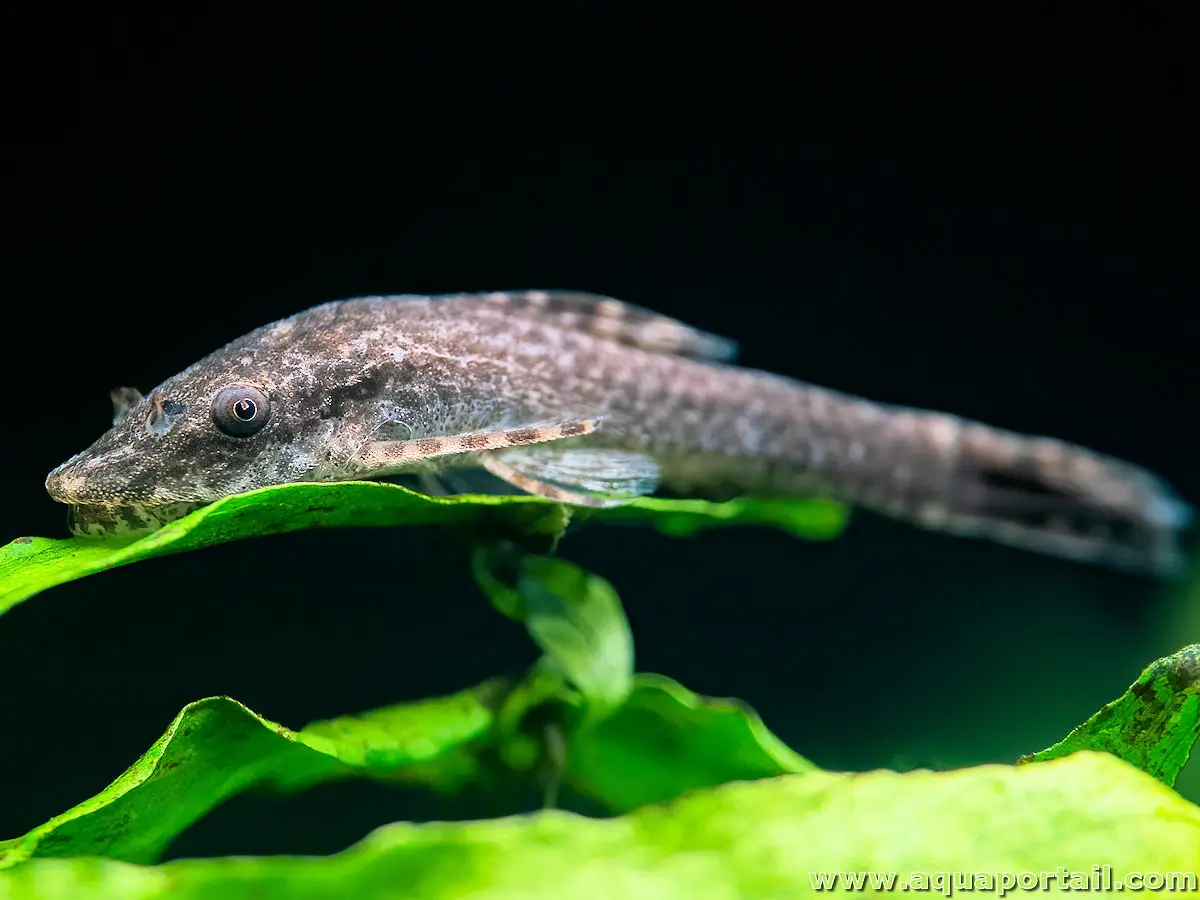
2,5 → 2,9 cm (> 80 L)
pH 5,5–6,5 | GH 1–5 | 18–27°C
Los datos biológicos de las especies indican el tamaño en cm y, si los valores son relevantes, otras características específicas.