Frost
noun (n.)
Definition
Frost (or gel in chemistry) refers either to a solid, more or less firm yet flexible structure resulting from the precipitation of cross-linked macromolecules, or to freezing meteorological conditions. A freeze, of varying intensity, causes frost. Frost-tender plants are sensitive to frost. Rime and hoarfrost are meteorological manifestations of frost.Frost on flowers:
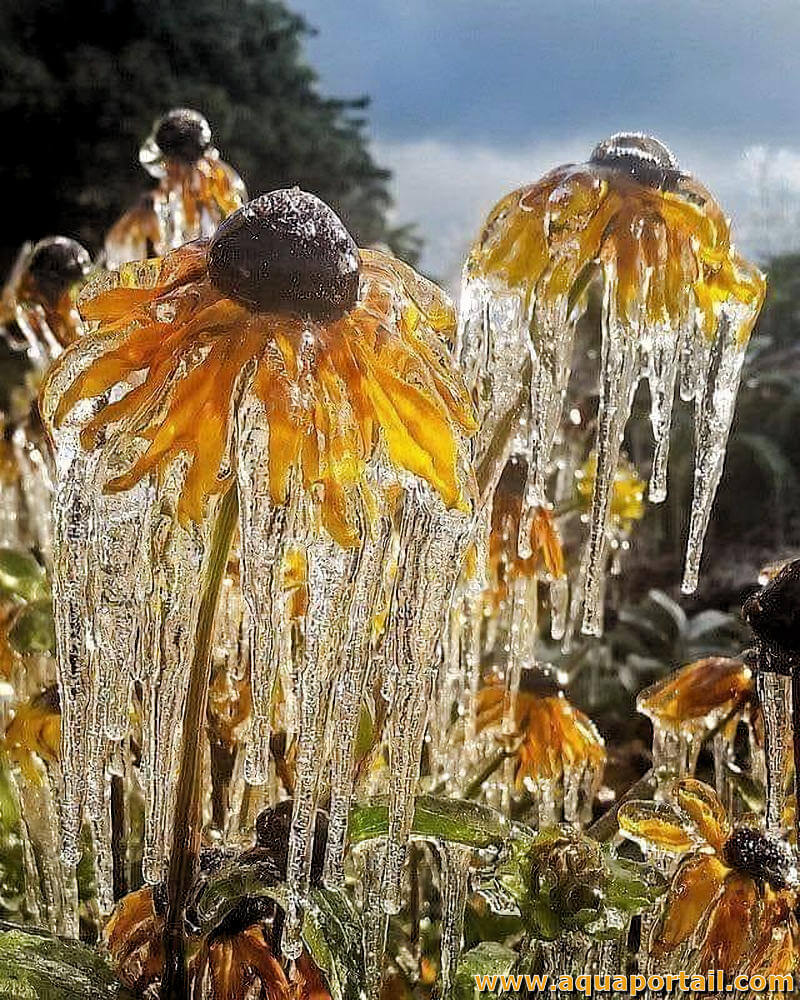
Plants, particularly perennials, are sensitive to frost.
Explanations
A cryophilic (or psychrophilic) organism, regardless of its kingdom (animal, plant, etc.), lives in cold habitats and thrives in harsh cold and freezing conditions.
Following a freezing spell, frost remains in the ground for some time, so that the ground surface rapidly freezes over again on clear nights. This insidious form of surface slipperiness, which can occur very suddenly, is known as black ice or glaze.
A frost period is an extended spell of significant freezing temperatures, with or without slight daytime thawing. In meteorology, a cold spell is commonly referred to as a frost period when natural ice forms thick enough to allow skating on natural ice rinks.
A frost period is one of three notable thermal spells recognized in the media and meteorology, alongside heatwaves and cold waves. While concrete definitions exist for the latter two, there is still no universal official definition for a frost period, although the following criterion is widely used: a frost period is a stretch of at least five consecutive days with a 24-hour mean temperature below the freezing point (Hellmann number), during which the sum of 24-hour mean temperatures is -1 °C (30 °F) or lower.
Synonyms, antonyms
Spanish translation: helada
5 synonyms (similar meaning) for "frost":
- cold wave
- freeze
- freezing
- hoarfrost
- rime
2 antonyms (opposite meaning):
Related words and expressions to FROST are directly connected by general or specific meaning.
The word FROST is listed on page 1 of words starting with F in the dictionary glossary.
Related to "frost"
fabrication

Fabrication is the act or process of making, constructing, or inventing something. The manufacturing or fabrication process, whether artisanal or industrial...
famine

Famine is prolonged hunger with acute undernutrition or malnutrition of a population in a region (country).
fang
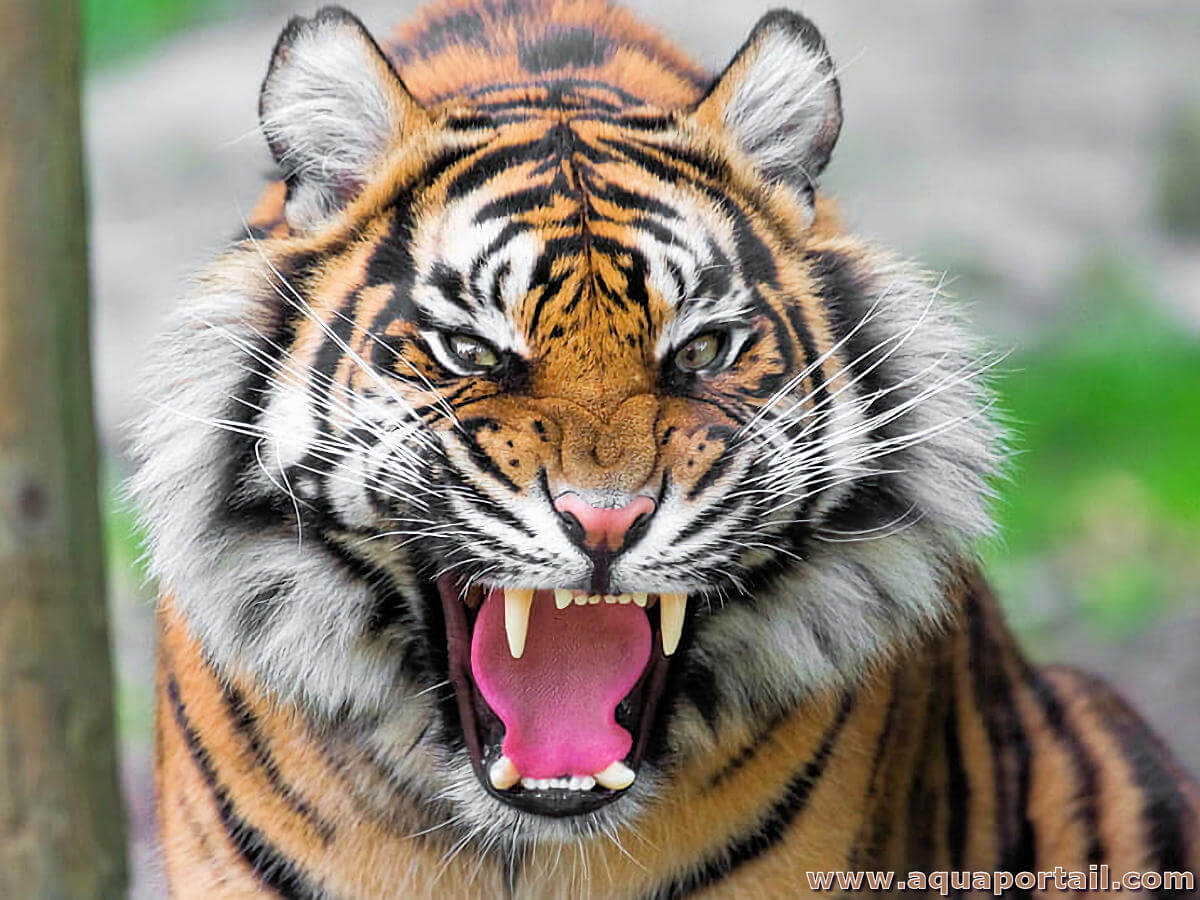
A fang is a long, pointed, and curved tooth. All animals equipped with fangs use them to bite. Whereas in mammals the upper-jaw fangs (called canines)...
fatty acids

Fatty acids are molecules possessing a long hydrophobic hydrocarbon chain and a highly hydrophilic carboxyl group at one of its ends.
