Euryoecious
adjective (adj.)
Definition
A euryoecious organism is a species, such as a eurybiote, capable of withstanding major variations in ecological factors (temperature: eurythermal, hydrodynamics, pressure: eurybathic, light: euryphotic, salinity: euryhaline, humidity: euryhygric, etc.). Through this adaptive ability, these organisms are often pioneers in certain habitats, even when ecological fluctuations are abrupt and rapid.
In demecology, a euryoecious organism is the opposite of a stenoecious organism, which tolerates scarcely any variation in its environment (while still being capable of extremophily).
A euryoecious fish with Mayaheros urophthalmus:

The cichlid Mayaheros urophthalmus is a freshwater fish (nearly 40 cm / 16 in long) from Central America that lives on the Atlantic slope from Mexico to Nicaragua. It is one of the few fishes able to tolerate living in deep cenotes.
Explanations
⭐ Example with cenotes: the presence of a limited number of species has several causes. The most important reason is that cenotes are biotopes characterized by very few habitats. Consequently, the smallest number of species lives in deep cenotes. In the Yucatan, as derivatives of lagoonal fauna, only the most euryoecious fishes such as the Mayan cichlid Mayaheros urophthalmus (a cichlid) and Gambusia puncticulata yucatana (the Yucatan gambusia) can live there.
Eurybathic
A eurybathic organism tolerates wide variations in water depth, at all depths throughout the water column, as opposed to a stenobathic organism.
It is capable of living on the bottom in both deep and shallow water. Eurybathic refers to marine or freshwater life able to tolerate a broad range of depths.
Eurybathic animals include benthic animals whose distribution spans various vertical zones, as well as pelagic animals that undertake extensive vertical migrations.
For example, the brittle star Ophiocten sericeum is eurybathic because it occurs at depths ranging from 6 to 4,370 m (20 to 14,337 ft).
Eurybiote
A eurybiont (or eurybiote), as opposed to a stenobiont (stenobiote), is highly tolerant of diverse ecological conditions. Such an organism adapts easily. Its tolerance range to environmental conditions is broad, with a loosely defined ecological optimum.
Eurybiotes can live under a wide variety of conditions, establishing themselves across vast regions of the Earth. Examples include the house sparrow, the common reed, and the eagle, found almost worldwide. In such cases, eurybiotes often have a global or cosmopolitan distribution.
Examples of types of eurybiotes:
- eurytherms: organisms that can live across a wide range of temperatures
- euryhalines: organisms capable of living across a wide range of water salinity
Conversely, stenobiotes are species with a narrow ecological tolerance for a given factor, such as the gorilla, coral reefs, lichens, etc. Stenobiotes make good bioindicators (indicator species) because their presence demonstrates the presence or activity of a specific factor. In practice, indicator species are also used to assess environmental status (for example, the degree of pollution).
Synonyms, antonyms
Spanish translation: eurioico
0 synonyms (similar meaning) for "euryoecious".
1 antonym (opposite meaning):
Related words and expressions to EURYOECIOUS are directly connected by general or specific meaning.
The word EURYOECIOUS is listed on page 1 of words starting with E in the dictionary glossary.
Related to "euryoecious"
euryhaline

A euryhaline organism describes an aquatic species capable of tolerating wide variations in the salinity of surrounding water, typically as in an estuary.
euryphagous

A euryphagous organism feeds on a wide variety of foods, much like a polyphagous one. Euryphagous describes animals, generally omnivorous, that can easily...
euryphote
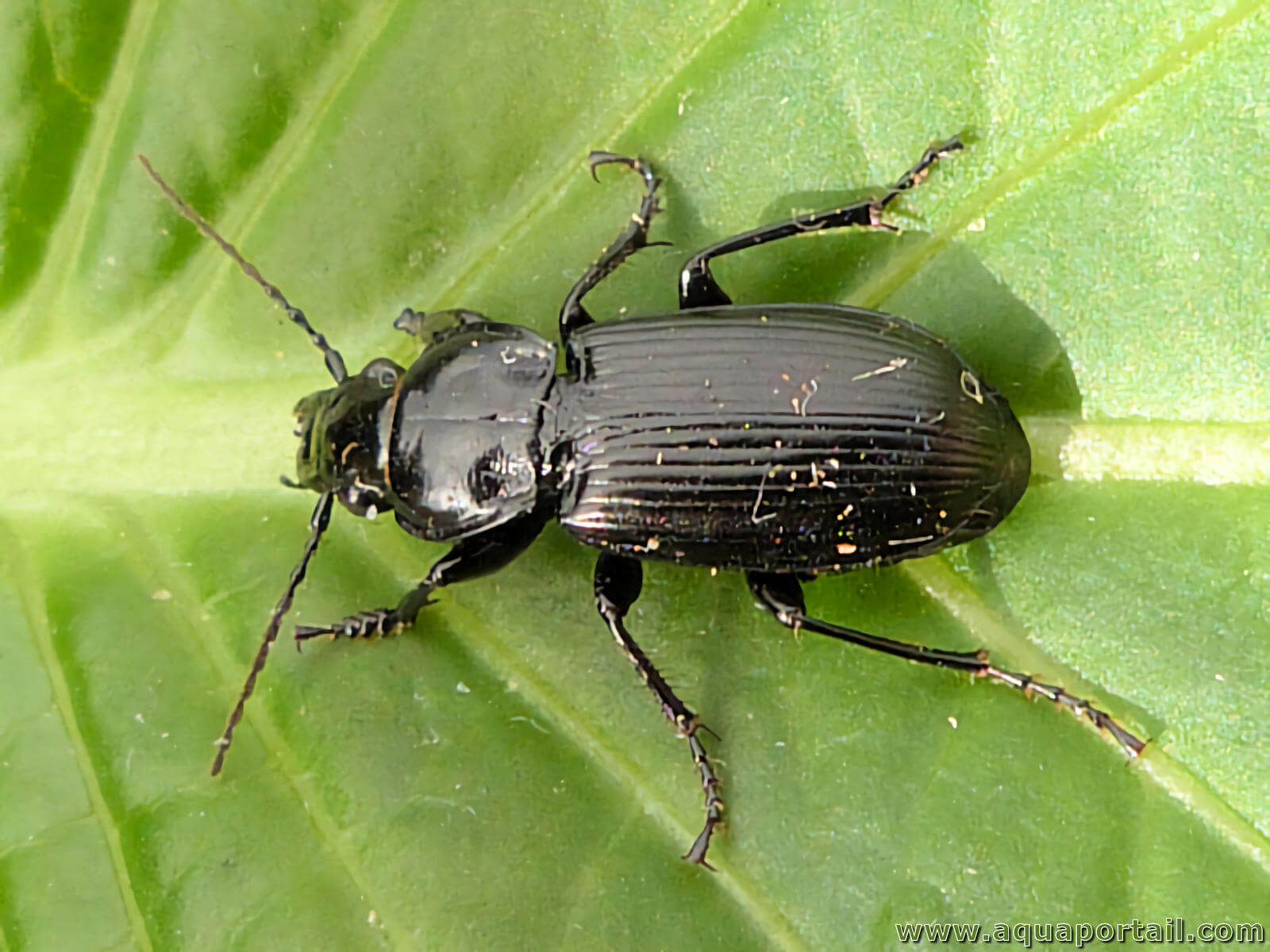
A euryphote, or euryphotic organism, is a living being that withstands marked variations in light intensity, as opposed to a stenophote.
eurytherm

A eurytherm, often an ectotherm, is an organism capable of withstanding wide variations in the temperature of its environment, including its internal milieu.
