Palaeoptera
proper noun
Definition
Palaeoptera, or the infraclass Palaeoptera, encompasses ancient winged insects that lack the ability to fold their wings flat over the top of their abdomen. At rest, these insects (mayflies, dragonflies, and damselflies) hold their wings upright vertically or spread wide open to the sides. Species of Palaeoptera complement the other group Neoptera within the subclass Pterygota.
The green drake mayfly is a palaeopteran:
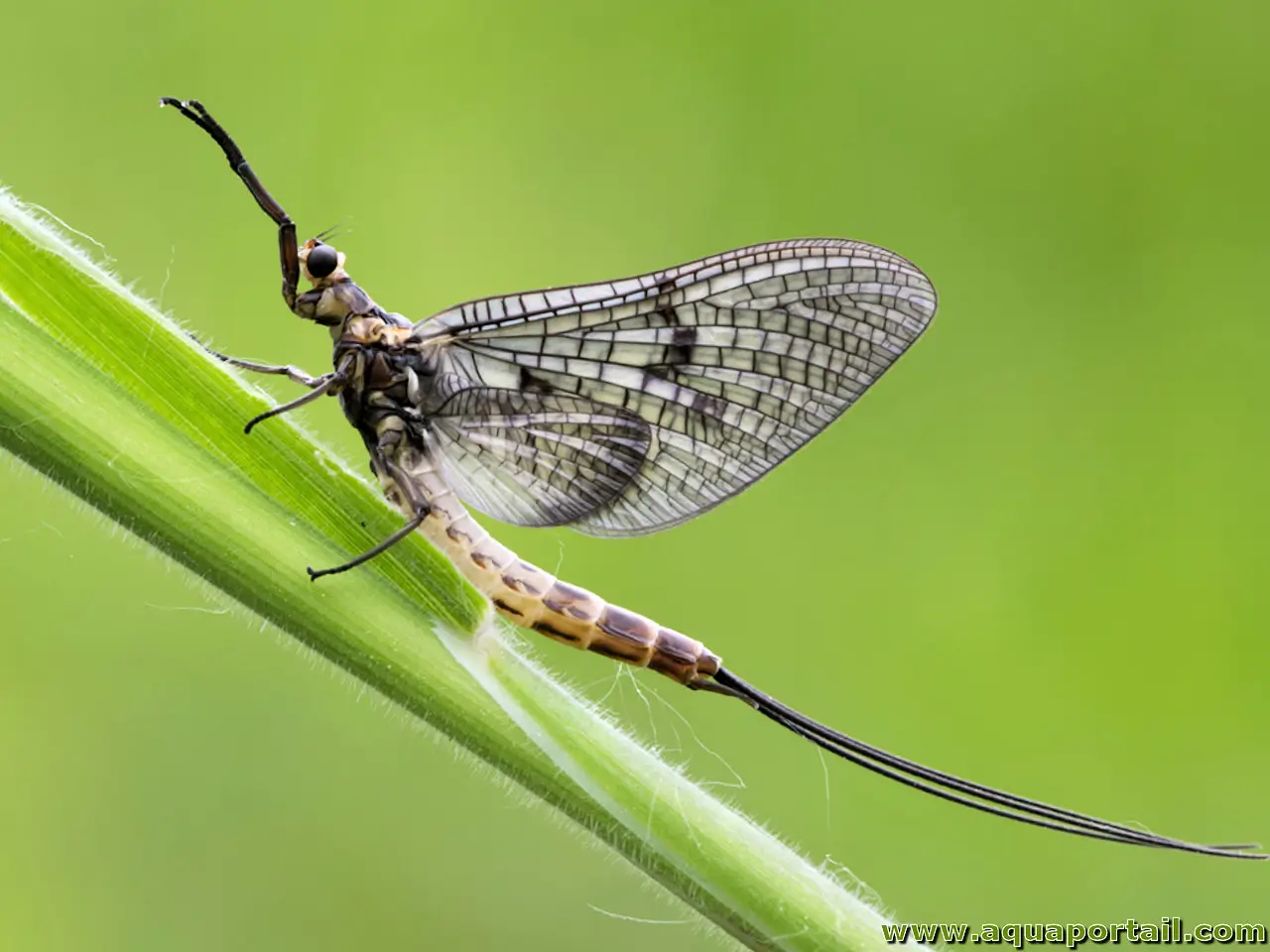
Ephemera danica, the green drake mayfly, is a palaeopteran that cannot align and fold its wings over its body. Mayflies hold their wings upright vertically when they land. Mayflies, dragonflies, and damselflies are the three major groups of Palaeoptera.
Explanations
The inability to fold their wings flat over their abdomen differentiates Palaeoptera from their close relatives, Neoptera, whose wings evolved to incorporate a flexion mechanism allowing such folding. The prefix "palaeo-" indicates "ancient", whereas "neo-" indicates "new".
The group Palaeoptera primarily comprises two distinct orders: Ephemeroptera (mayflies) and Odonata (dragonflies and damselflies). These orders are considered among the most primitive pterygote insects and offer valuable insight into the evolutionary history of winged insects.
The morphological features of Palaeoptera testify to the persistence of archaic traits, thereby providing a glimpse into the early stages of insect evolution. For example, mayflies are famous for their unique developmental stages, including an aquatic larval phase and a short-lived adult phase. Their brief adult lifespan underscores that their primary role is reproduction rather than long-term survival.
The broad-bodied chaser Libellula depressa is a palaeopteran:
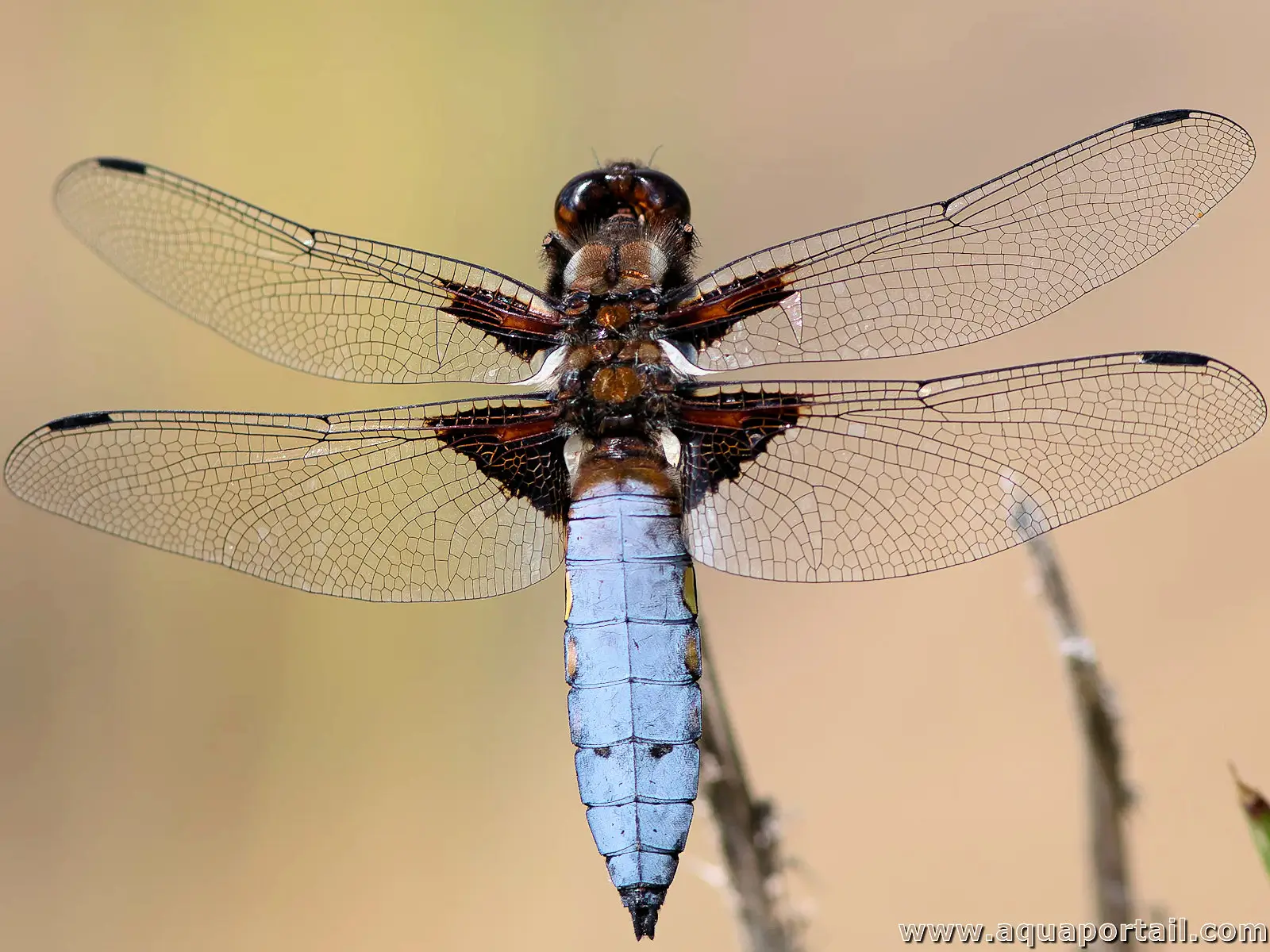
Dragonflies cannot fold their wings flat over the top of their body. The broad-bodied chaser Libellula depressa is a typical palaeopteran that keeps its wings spread horizontally at rest.
Ecologically, dragonfly and mayfly larvae contribute significantly to freshwater ecosystems by serving as essential indicators of water quality and facilitating nutrient cycling through their often predatory feeding activity. Furthermore, both mayflies and Odonata constitute key links in the food web, serving as prey for numerous vertebrates and invertebrates.
The evolutionary trajectory of Palaeoptera suggests that these insects were among the first to develop active flight, a major breakthrough that likely opened up new ecological opportunities and niches inaccessible to their wingless ancestors.
Synonyms, antonyms
Spanish translation: Paleópteros
1 synonym (similar meaning) for "palaeoptera":
2 antonyms (opposite meaning):
Related words and expressions to PALAEOPTERA are directly connected by general or specific meaning.
The word PALAEOPTERA is listed on page 1 of words starting with P in the dictionary glossary.
Related to "Palaeoptera"
Polyneoptera
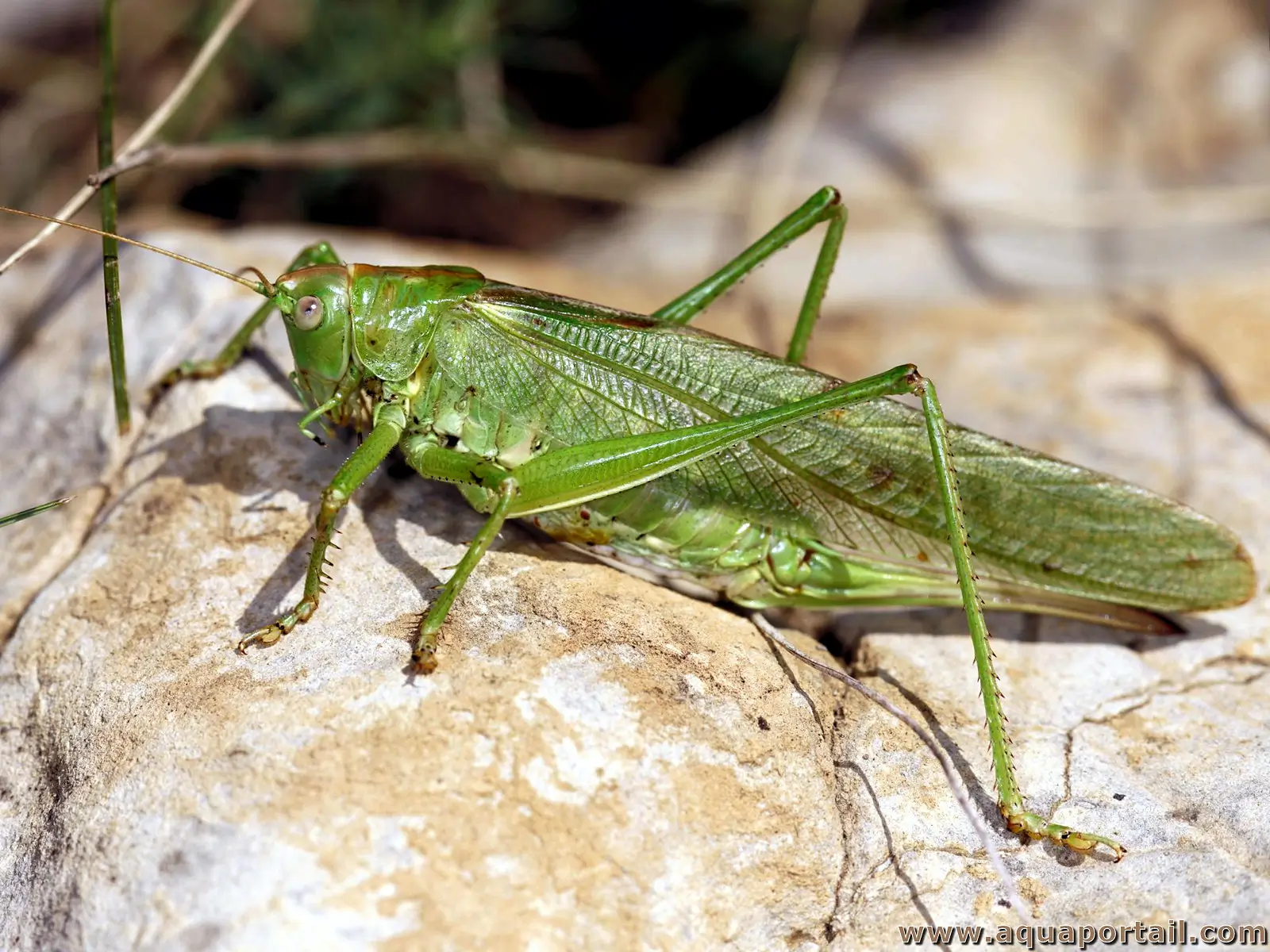
Polyneoptera, or the superorder Polyneoptera, is a cohort of pterygote insects with two pairs of wings, the forewings being stiffer than the broad hindwings.
Hymenoptera
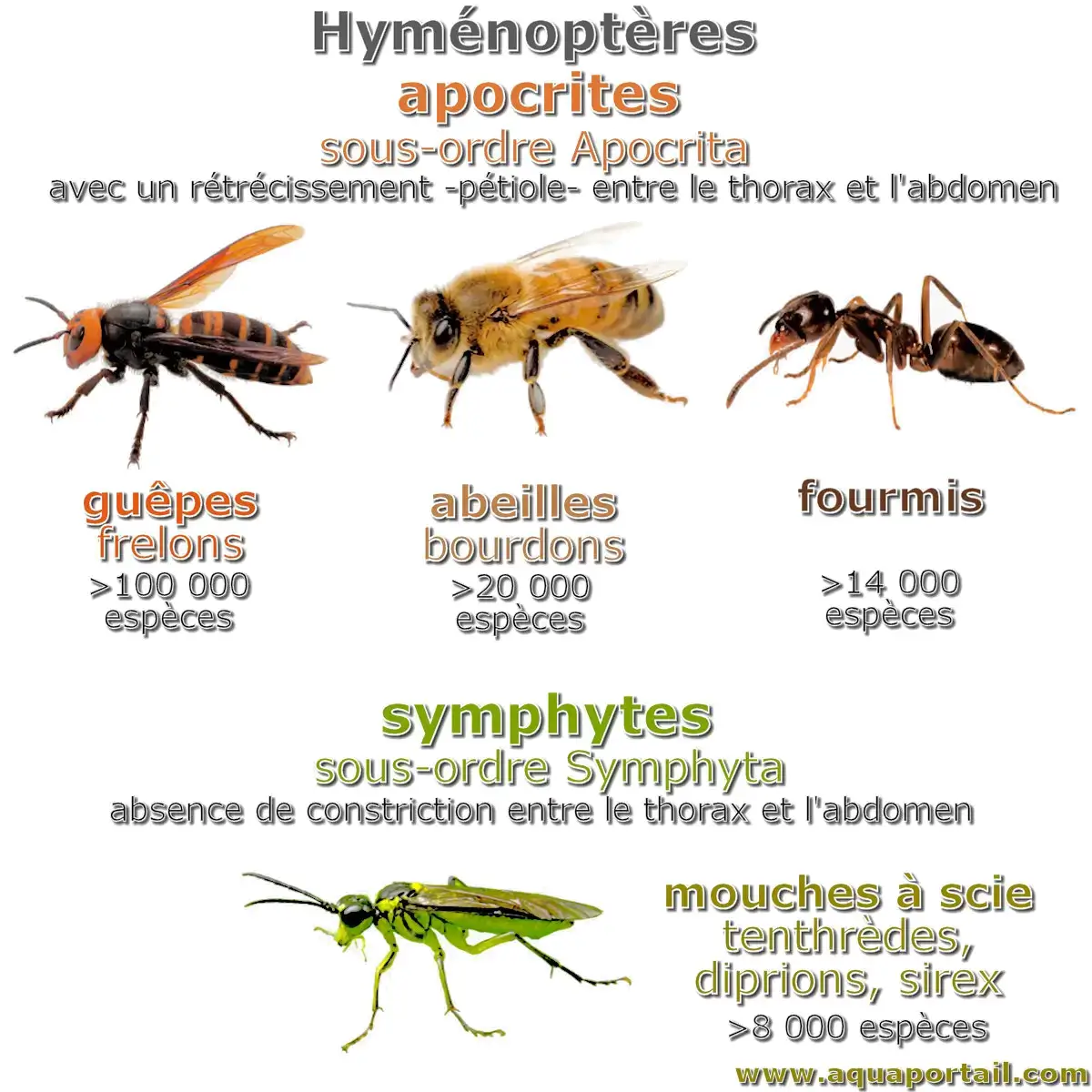
Hymenopterans, order Hymenoptera, are holometabolous insects with four membranous veined wings and a narrow waist (bees, wasps, ants, sawflies).
P680-P700
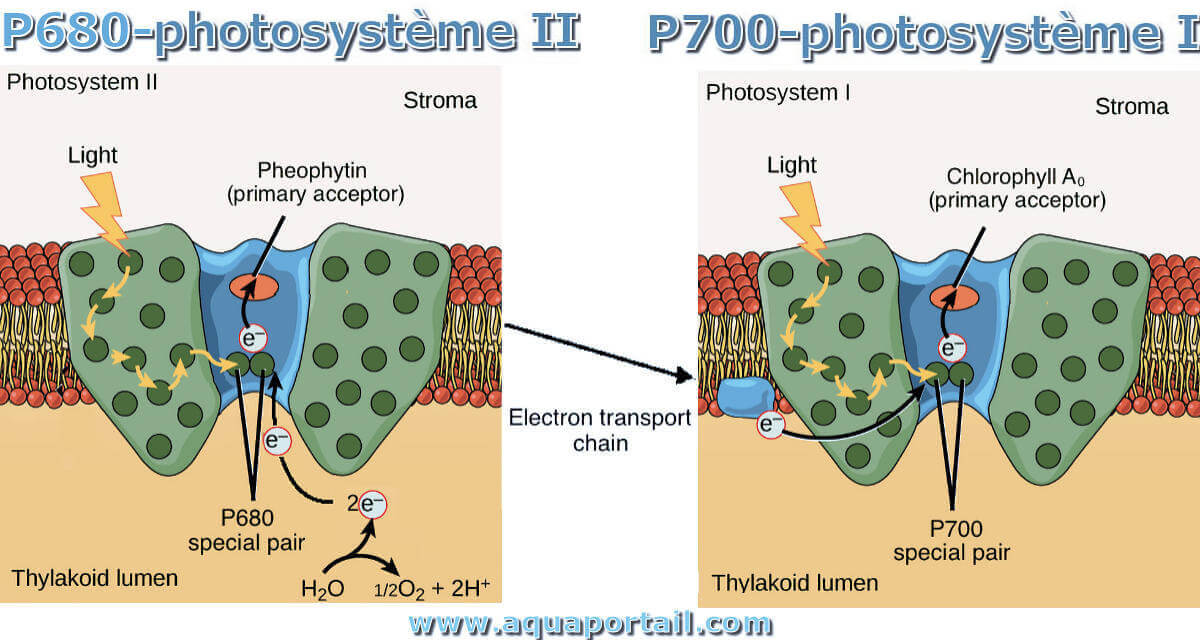
P680-P700 is an association of chlorophyll a molecules absorbing at 680 nm and 700 nm, respectively, possessing particular photochemical properties.
paedomorphosis

Paedomorphosis (juvenilization) is a phylogenetic change involving the retention of juvenile or even larval traits into a later (adult) stage.
