Sciaphilous
adjective (adj.)
Definition
A sciaphilous, or shade-loving, organism lives in shaded or cryptic areas, sheltered from the Sun's UV rays. This organism lives and grows either obligately or preferentially in a shaded environment. Sciaphilous contrasts with photophilous, heliophilous, and sciaphobous.
Sciaphilous plants (sciaphytes) can easily be grown on a poorly exposed balcony.
Spigelia marilandica is a sciaphilous plant:
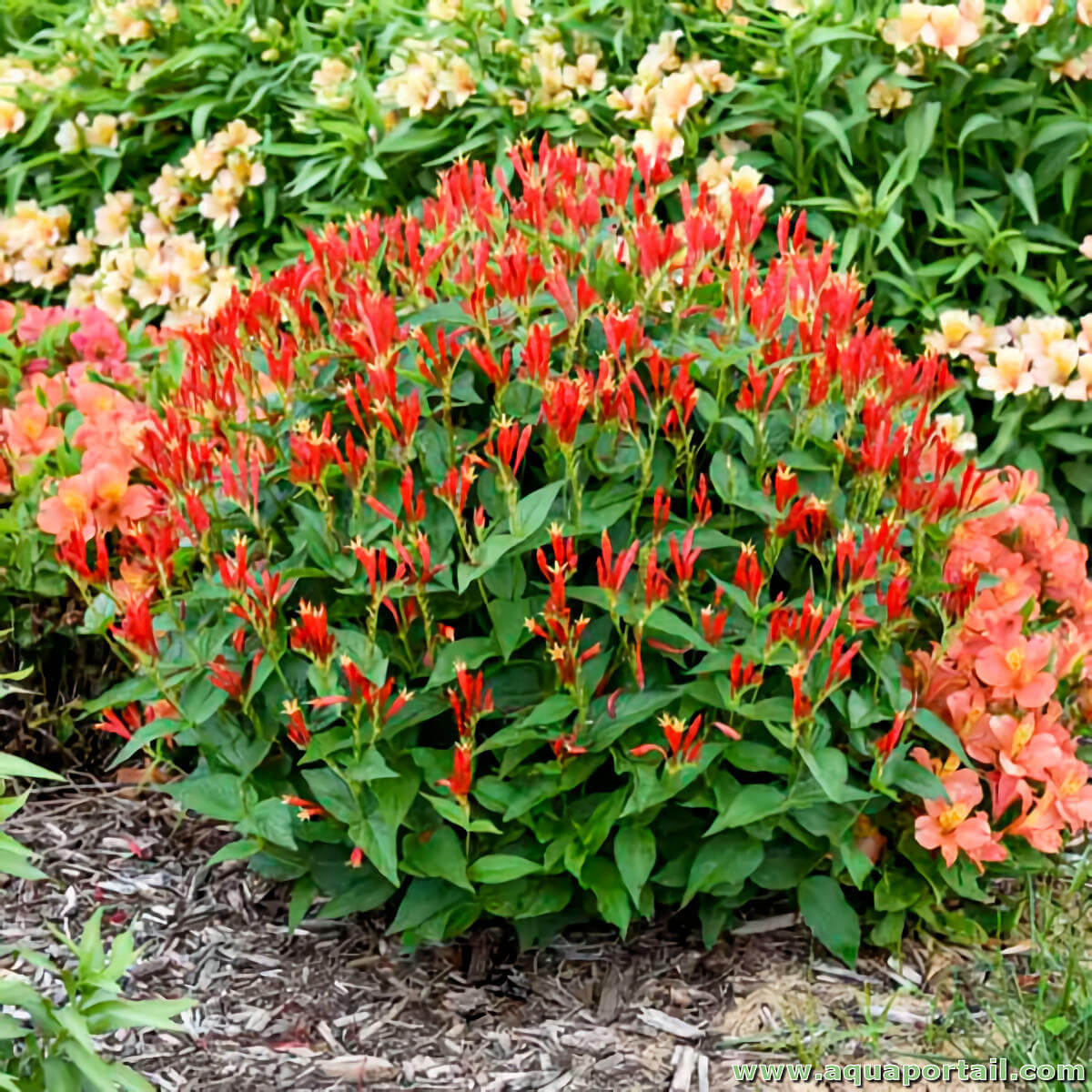
Spigelia marilandica is a shade plant, and not merely a partial-shade plant: it is a true sciaphile, without completely rejecting UV radiation.
Explanations
Facultative sciaphilous plants can thrive in full sun as well as in shade, whereas obligate sciaphilous plants cannot tolerate exposure to full sunlight without risking sunburn. Unlike facultative sciaphilous plants, obligate ones lack the appropriate defense mechanisms to thrive in full sun.
Synonymous with shade-loving (obscuricole), growing in shaded habitats. By extension, it describes this type of low-light biotope. Etymologically, sciaphilous means "shade-loving" and thus refers to organisms favoring shaded sites.
In contrast to sciaphilous, a sciaphobous organism avoids shaded environments and therefore prefers well-lit habitats.
Certain plants are sciaphilous because they cannot tolerate direct sunlight or excessive exposure to bright light. Some cavernicolous organisms are sciaphilous by nature because they lack (or have lost) defenses against solar ultraviolet radiation.
Sciaphytes (shade-loving plants) are frequently parasitic plants, just as heliophytes (their opposite) can also be.
See also xerophilous, thermophilous, hydrophilous, and halophilous. When associated with a hygrophilous environment, see also hygrosciaphilous plants (hygrosciaphytes).
Hygrosciaphilous
A hygrosciaphilous organism favors damp, shaded, often cool environments, thriving in both hygrophilous and sciaphilous habitats. In the case of a plant, it is a hygrosciaphyte. Plant species include monkshoods, bittercresses, geraniums, stitchworts, etc.
A hygrosciaphilous organism is both hygrophilous and sciaphilous.
A hygrosciaphyte is a hygrosciaphilous plant, meaning it establishes itself in damp, shaded areas. This type of plant seeks atmospheric or edaphic moisture and prefers shaded zones, often in calcicolous to mildly acidic biotopes.
For example, Phyllitis scolopendrium (or Asplenium scolopendrium) is a perennial">perennial, hemicryptophyte fern that lives in the circumboreal sub-Atlantic zone in Europe (including France) up to 2,900 m (9,515 ft) in elevation, from the colline to the alpine belt. This hygrosciaphyte favors biotopes mostly on calcareous rocks or base-rich substrates with more or less stony loamy materials. Phytosociology indicates habitats in slope forests, often on scree, or mesohygrophilous oak woods. This plant often shelters centipedes (scolopendrids), which also favor atmospheric humidity.
Synonyms, antonyms
Spanish translation: esciáfilo
2 synonyms (similar meaning) for "sciaphilous":
3 antonyms (opposite meaning):
Related words and expressions to SCIAPHILOUS are directly connected by general or specific meaning.
The word SCIAPHILOUS is listed on page 1 of words starting with S in the dictionary glossary.
Related to "sciaphilous"
photophilous
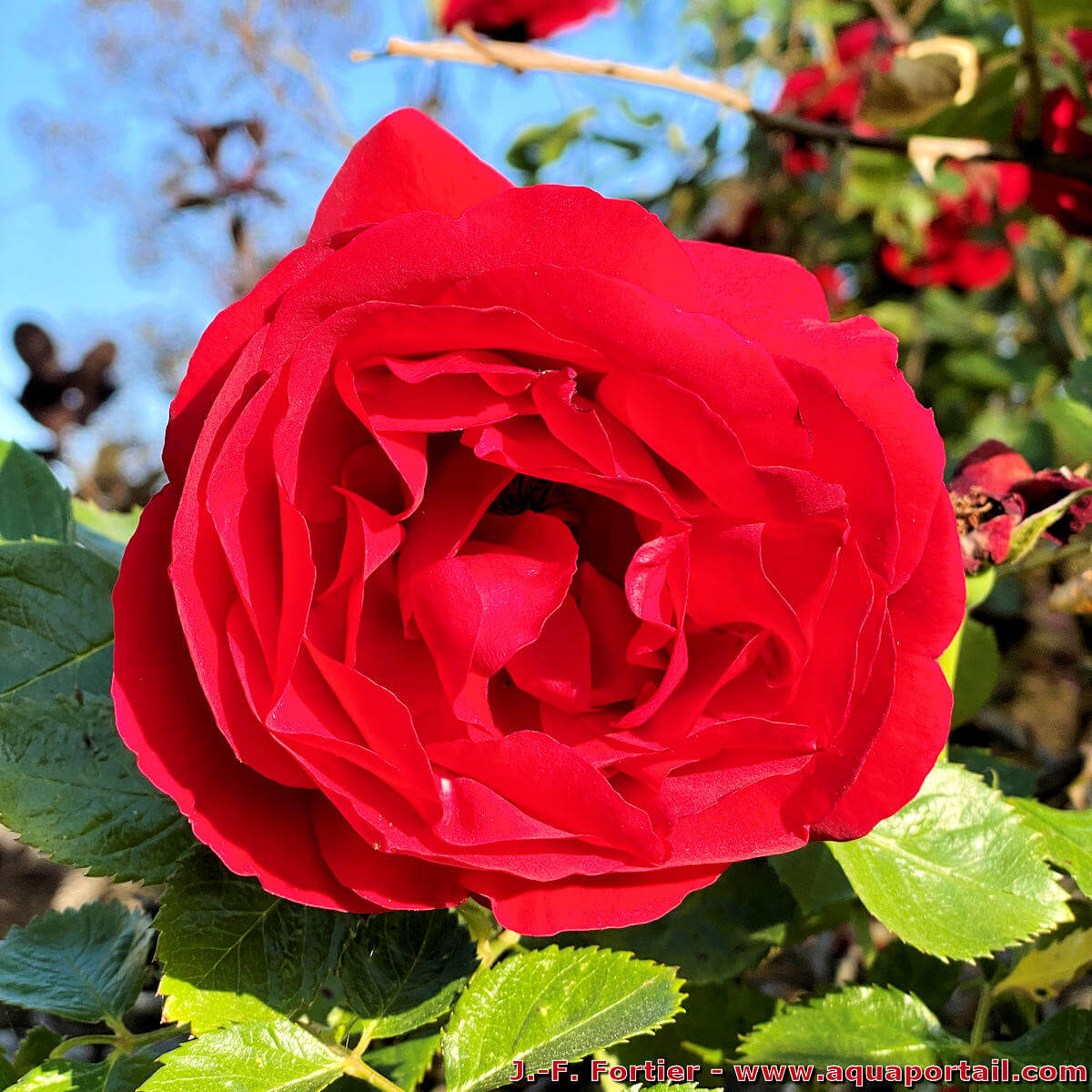
A photophilous organism appreciates light and grows best in full light. It requires significant lighting and develops only in a location well exposed...
saccharide

A saccharide is a carbohydrate, a biomolecule composed of carbon, hydrogen, and oxygen atoms, usually with a hydrogen-to-oxygen atomic ratio of 2 :1.
saccule

A saccule is a flattened cellular cavity shaped like a small concave disk and bounded by a membrane, a stack of which forms a dictyosome.
sagittocyst

A sagittocyst is a capsule containing a spindle-shaped needle produced by epidermal cells of certain flatworms (acoels).
