
Fichas de peces de agua dulce (página 25)
Página 25 de 1910 especies de peces de agua dulce con 60 fichas. Hay 22 géneros diferentes desde Pectenocypris hasta Poecilia.
Lista des fichas de Pectenocypris korthausae a Poecilia caucana
- Pectenocypris korthausae
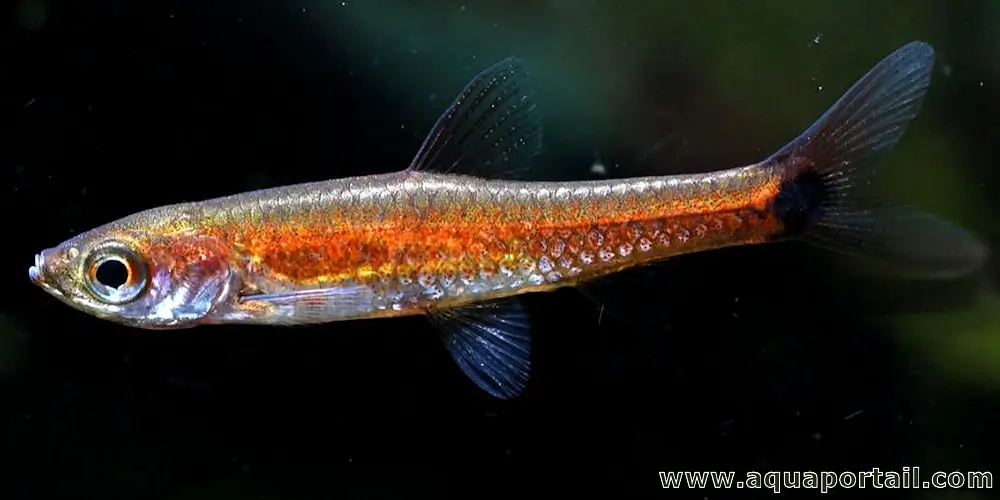
3,0 → 3,5 cm (> 50 L)
pH 5,0–6,5 | GH 1–5 | 24–28°C - Pelvicachromis drachenfelsi

5,0 → 7,0 cm (> 80 L)
pH 6,0–7,0 | GH 3–12 | 23–28°C - Pelvicachromis kribensis

7,0 → 9,0 cm (> 120 L)
pH 6,0–7,5 | GH 1–15 | 22–26°C - Pelvicachromis pulcher
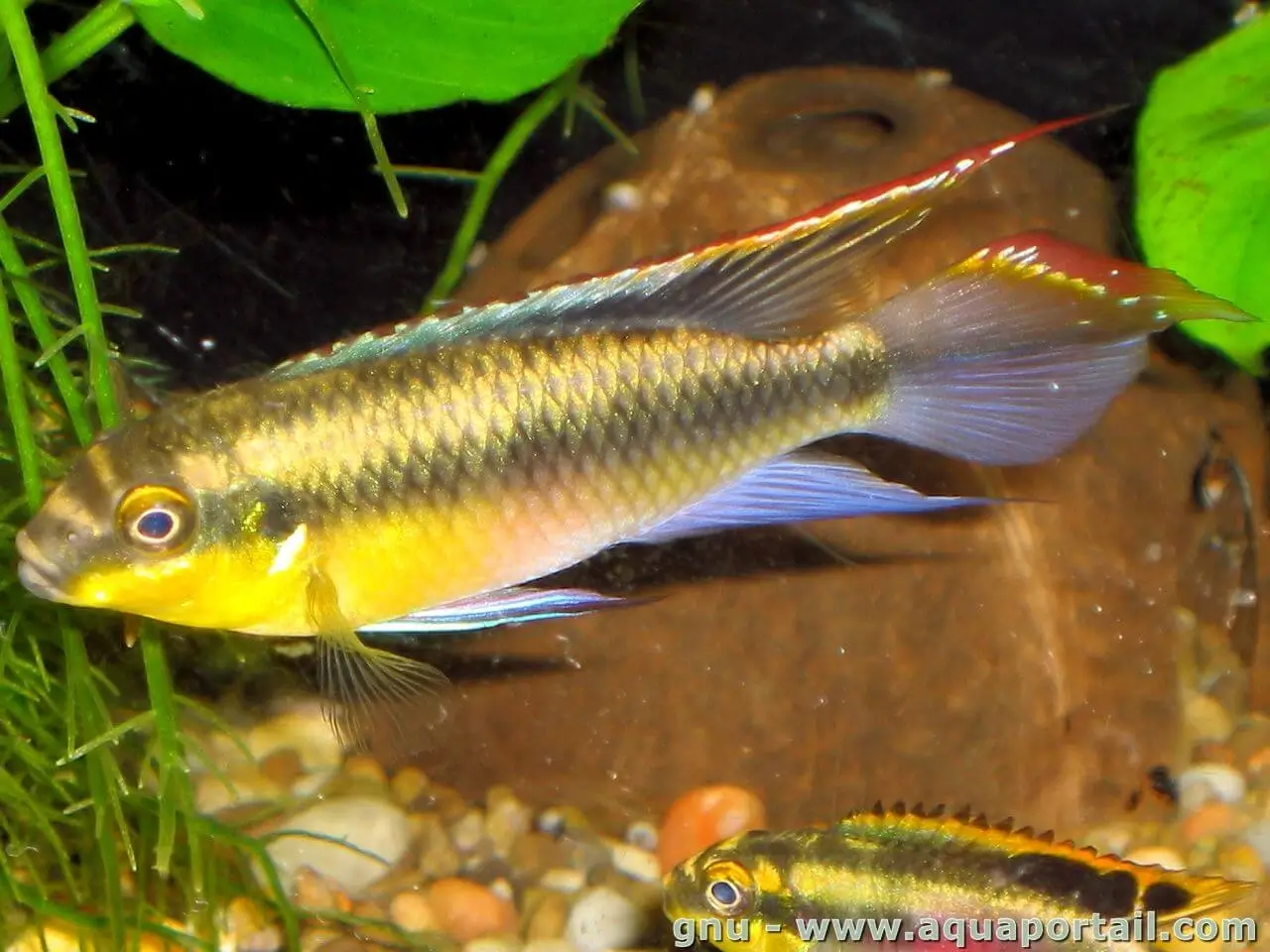
8,0 → 10,0 cm (> 120 L)
pH 5,0–6,5 | GH 1–10 | 24–29°C - Pelvicachromis roloffi
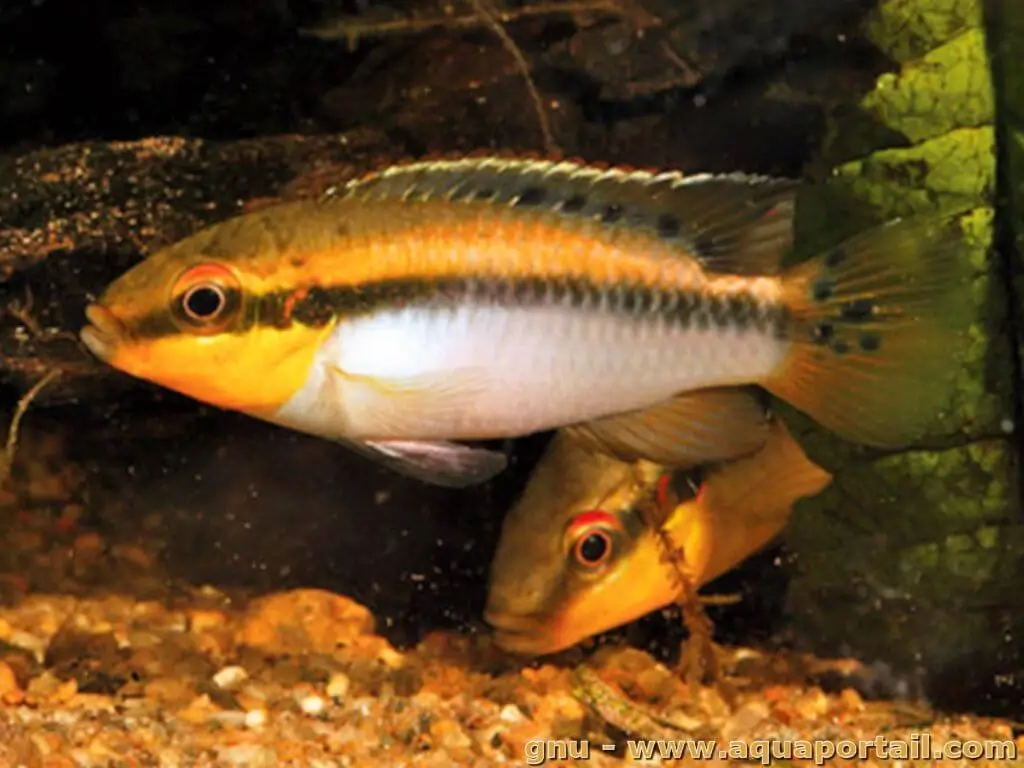
6,0 → 8,5 cm (> 80 L)
pH 5,0–6,5 | GH 1–5 | 25–28°C - Pelvicachromis sacrimontis

8,0 → 10,0 cm (> 120 L)
pH 5,5–7,0 | GH 1–10 | 22–27°C - Pelvicachromis silviae
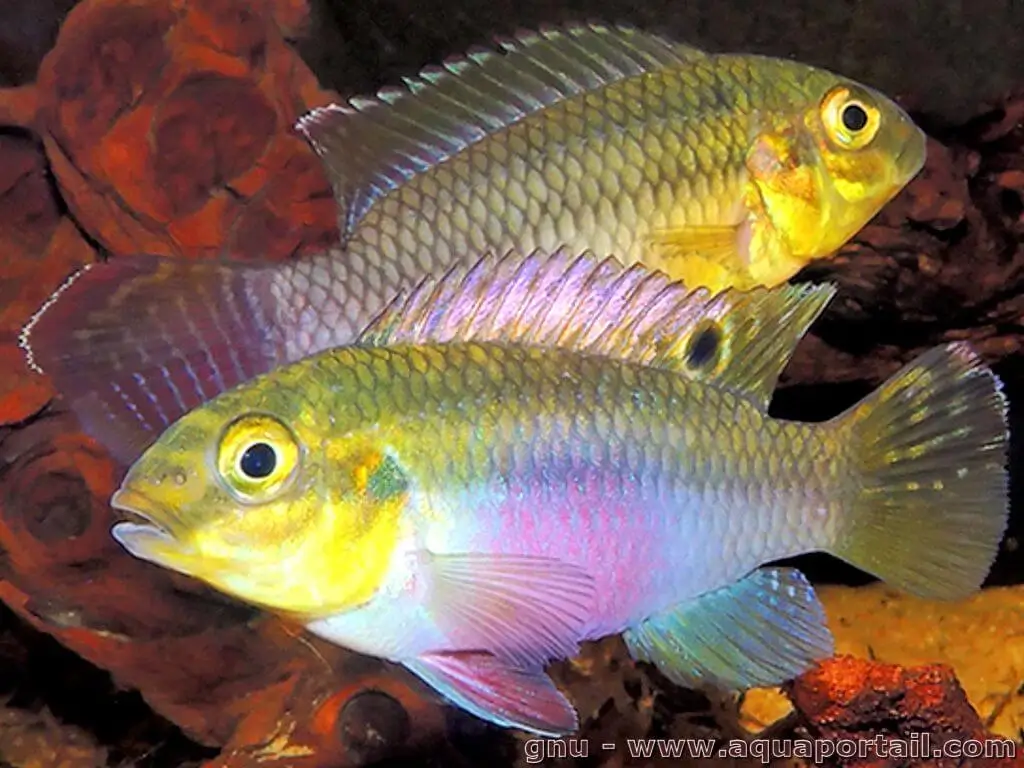
3,5 → 5,0 cm (> 50 L)
pH 5,0–7,0 | GH 1–8 | 24–27°C - Pelvicachromis subocellatus

8,0 → 10,0 cm (> 120 L)
pH 6,0–7,5 | GH 1–15 | 22–27°C - Pelvicachromis taeniatus
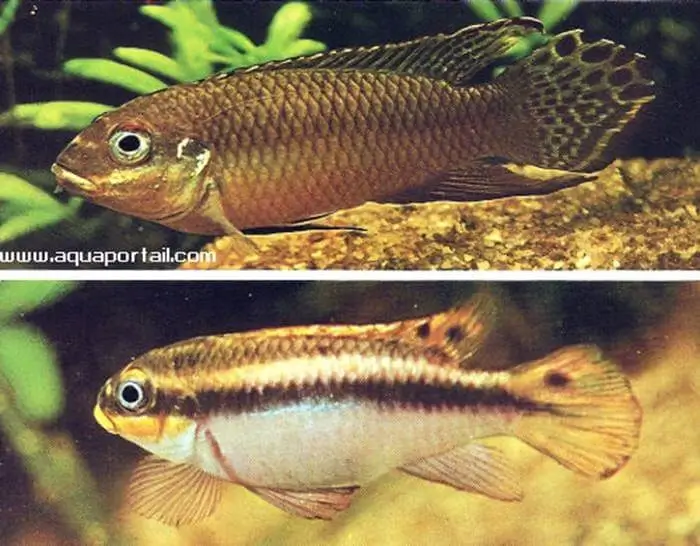
7,0 → 9,0 cm (> 120 L)
pH 6,0–7,5 | GH 1–15 | 22–27°C - Perca fluviatilis

30,0 → 50,0 cm (> 1500 L)
pH 6,0–7,5 | GH 5–20 | 6–22°C - Periophthalmus barbarus
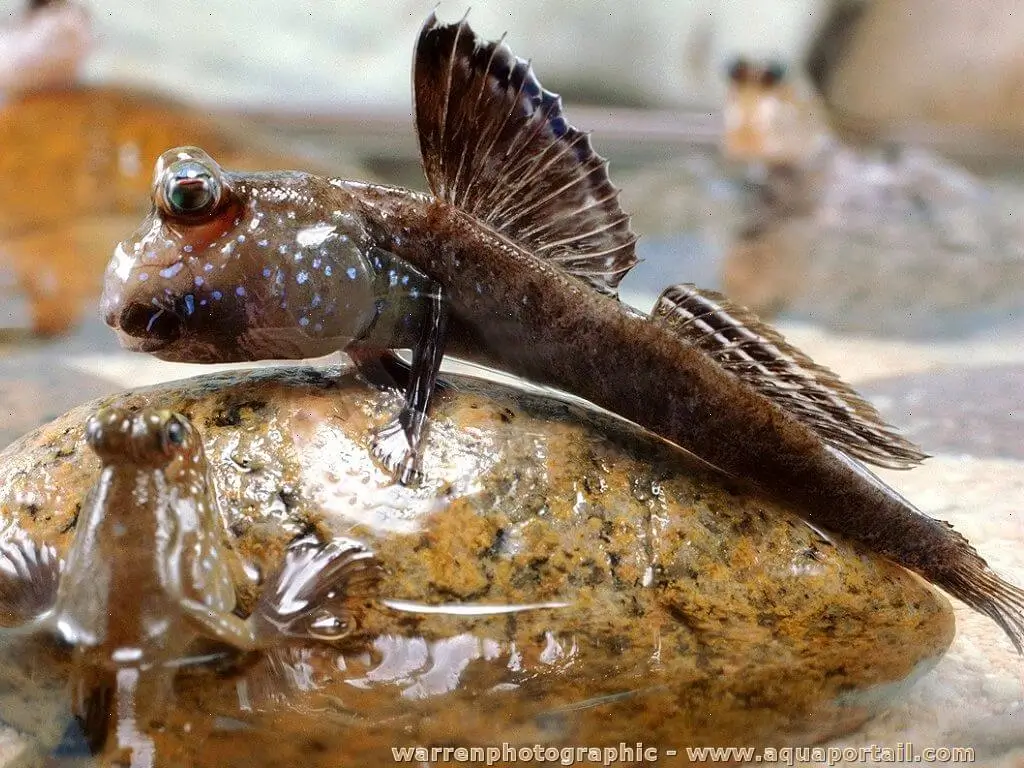
12,0 → 20,0 cm (> 200 L)
pH 7,5–8,5 | GH 10–30 | 25–30°C - Periophthalmus modestus
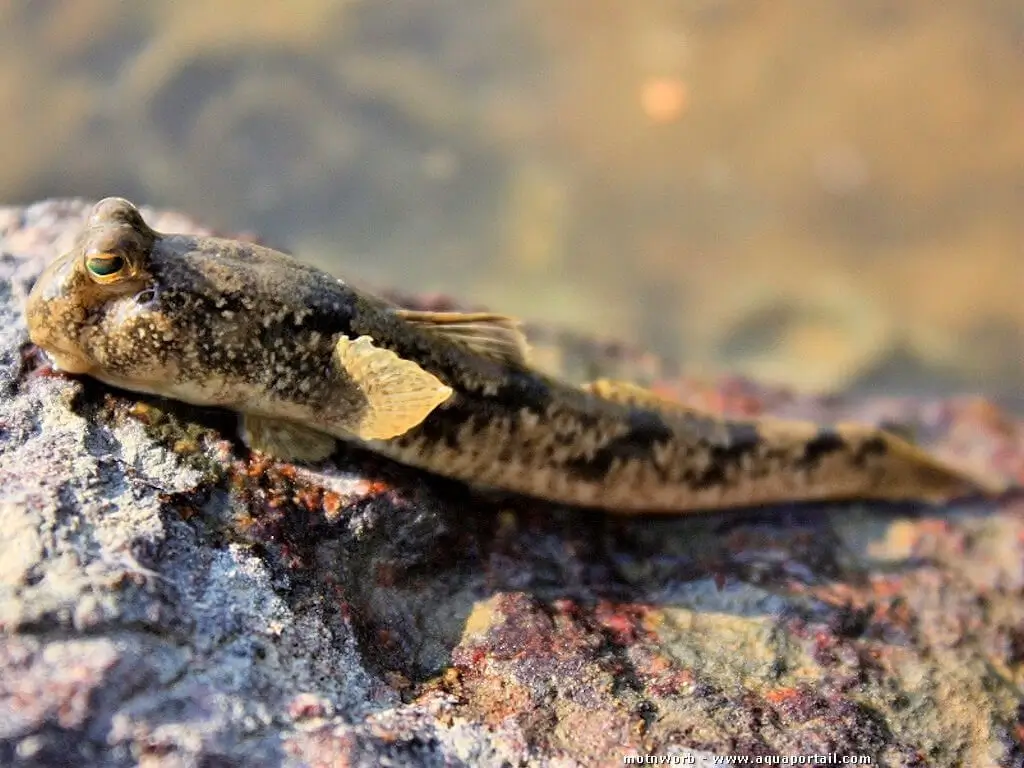
8,0 → 10,0 cm (> 120 L)
pH 7,5–8,5 | GH 10–30 | 23–27°C - Petenia splendida
 Tenguayaca
40,0 → 50,0 cm (> 1500 L)
pH 7,0–7,5 | GH 8–15 | 26–30°C - Pethia aurea
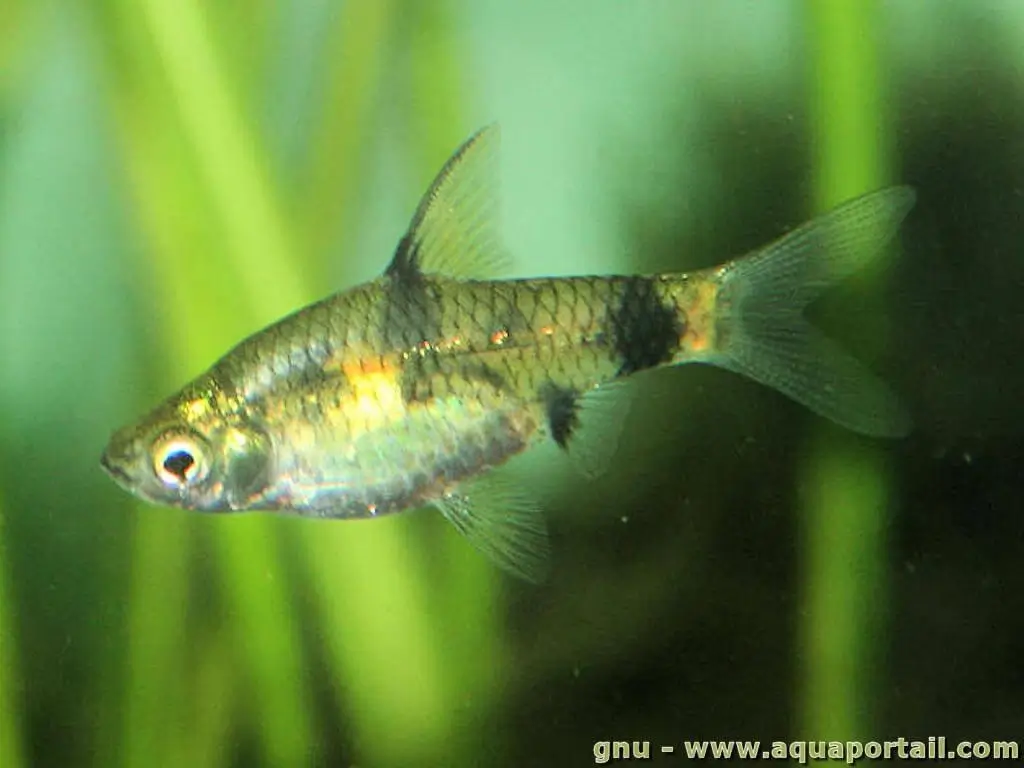
2,0 → 3,0 cm (> 50 L)
pH 6,0–7,0 | GH 3–12 | 18–24°C - Pethia conchonius
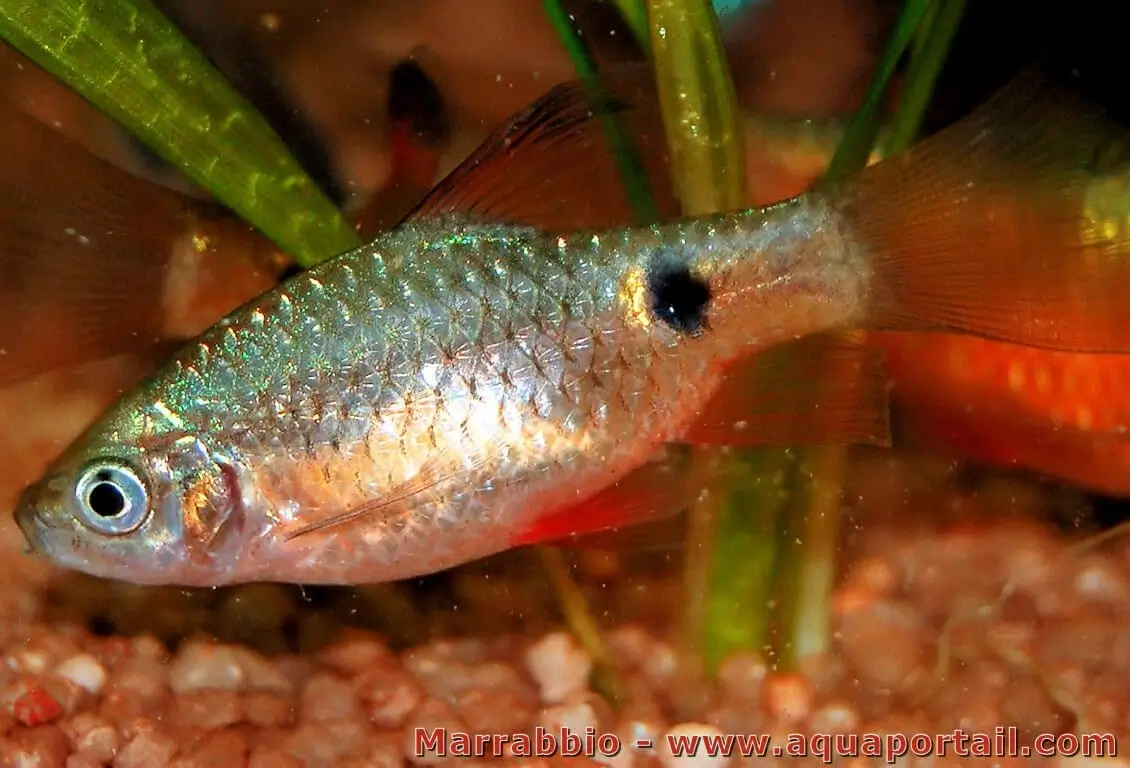
12,0 → 15,0 cm (> 450 L)
pH 6,0–7,5 | GH 1–15 | 18–25°C - Pethia expletiforis
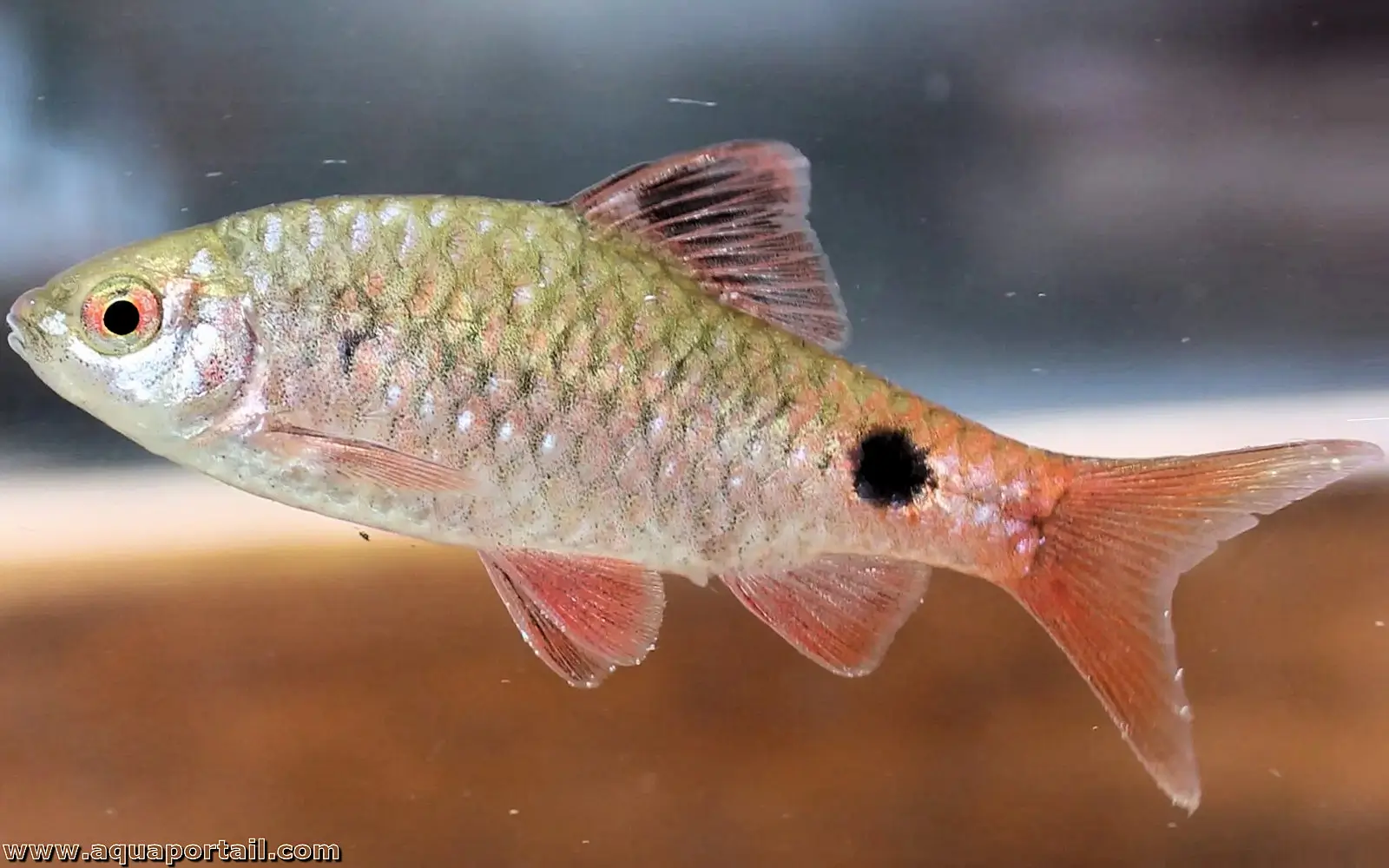
4,0 → 4,7 cm (> 80 L)
pH 6,0–7,0 | GH 3–12 | 22–25°C - Pethia gelius

4,0 → 5,2 cm (> 80 L)
pH 6,0–7,5 | GH 5–12 | 18–25°C - Pethia manipurensis
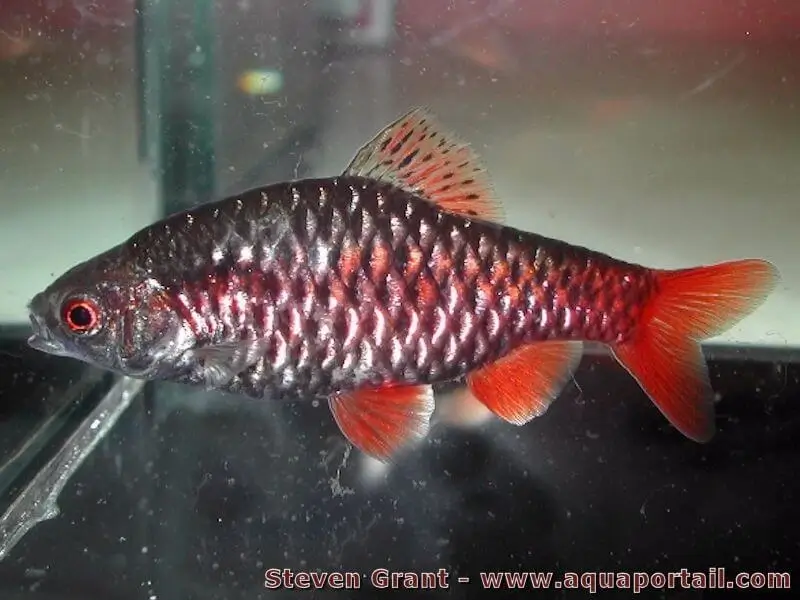
5,8 → 6,2 cm (> 80 L)
pH 6,0–7,5 | GH 3–12 | 22–27°C - Pethia nigripinna

3,5 → 4,5 cm (> 80 L)
pH 6,5–7,5 | GH 5–12 | 23–27°C - Pethia nigrofasciata
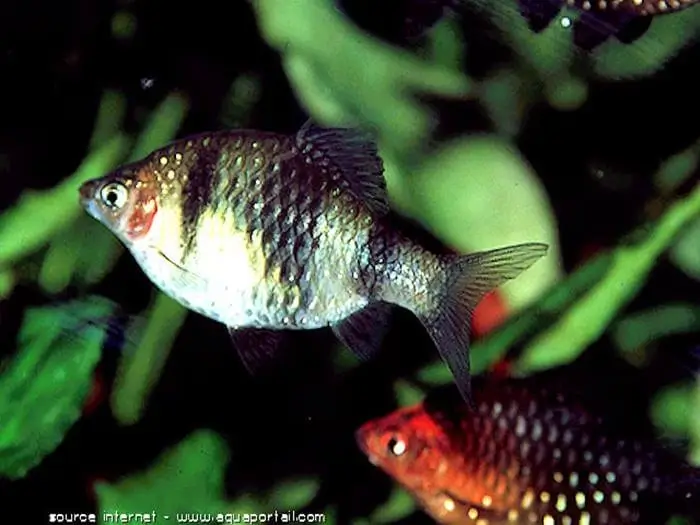
6,0 → 7,0 cm (> 120 L)
pH 6,0–7,0 | GH 5–12 | 22–26°C - Pethia padamya
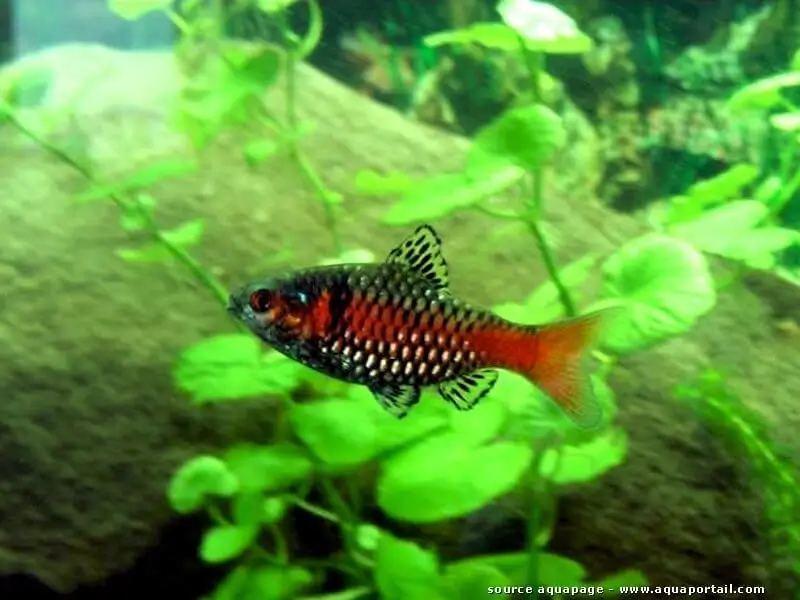
4,5 → 5,0 cm (> 120 L)
pH 5,0–7,0 | GH 1–12 | 23–27°C - Pethia stoliczkana

4,5 → 5,5 cm (> 80 L)
pH 6,0–7,5 | GH 5–12 | 23–27°C - Pethia ticto
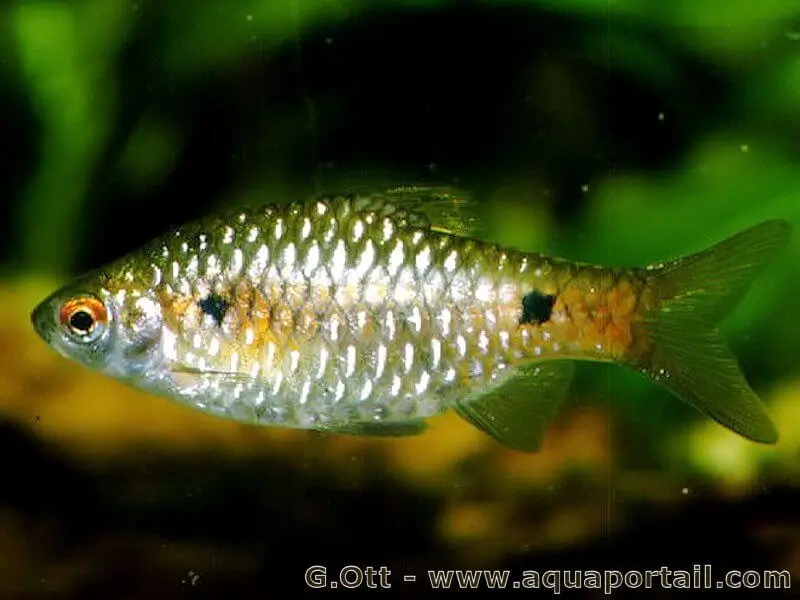
5,5 → 6,5 cm (> 80 L)
pH 6,0–7,5 | GH 3–10 | 18–25°C - Petitella georgiae

4,5 → 5,5 cm (> 80 L)
pH 6,0–7,0 | GH 1–8 | 22–26°C - Petrochromis fasciolatus
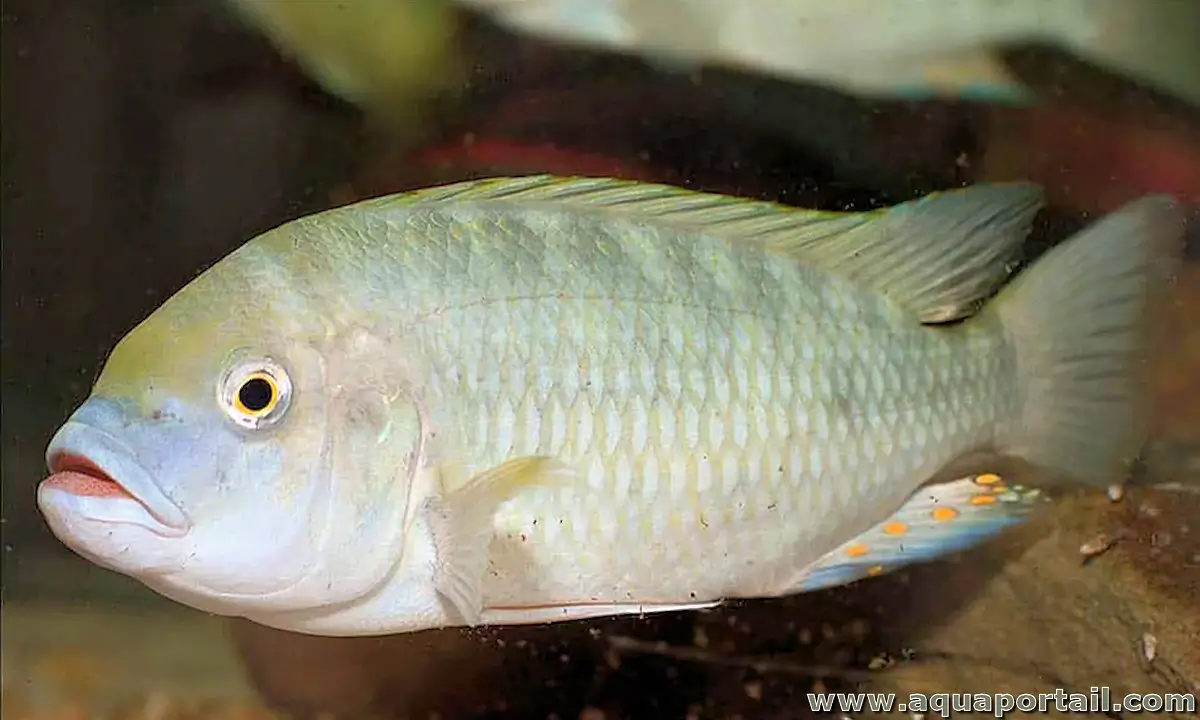
12,0 → 15,0 cm (> 450 L)
pH 7,5–8,5 | GH 10–20 | 23–27°C - Petrochromis horii
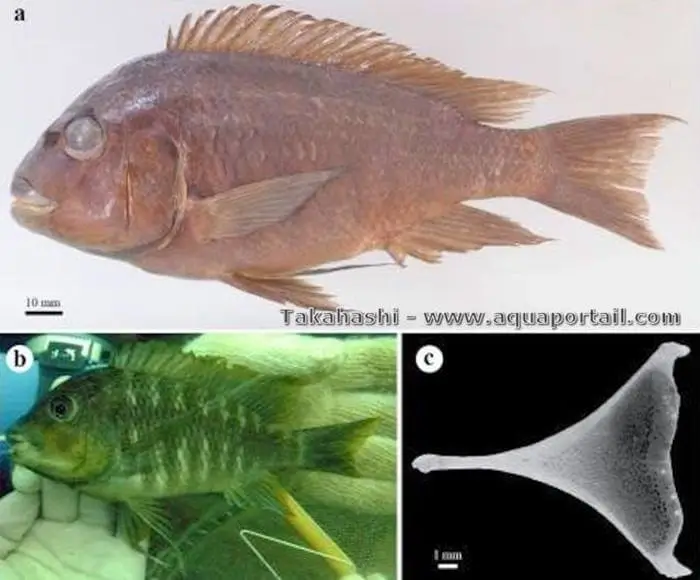
12,0 → 15,0 cm (> 450 L)
pH 7,5–8,5 | GH 10–30 | 23–27°C - Petrochromis trewavasae
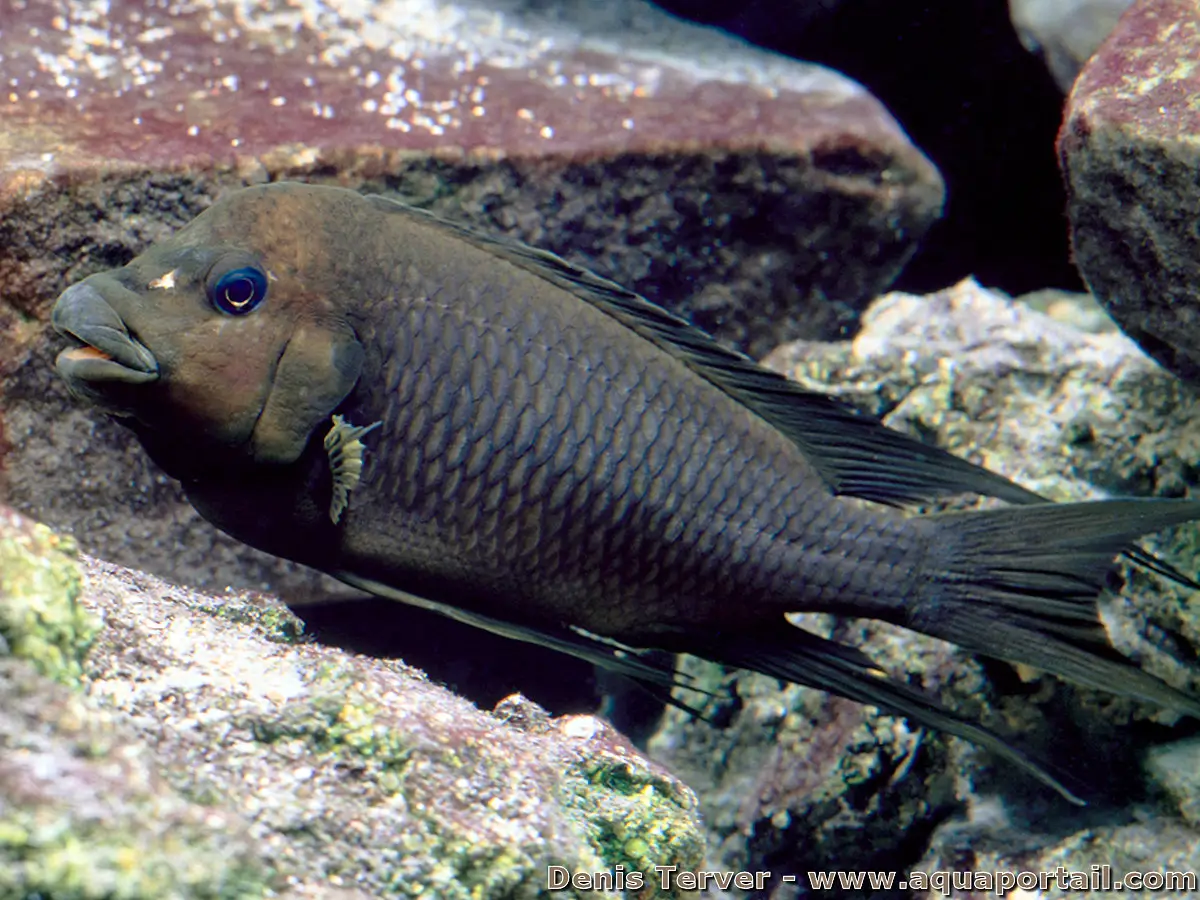
14,0 → 18,0 cm (> 800 L)
pH 7,5–8,5 | GH 10–20 | 23–25°C - Petrotilapia flaviventris
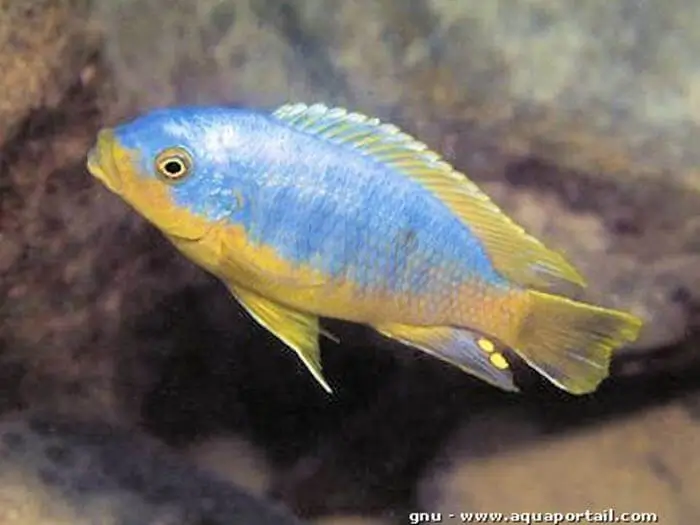
10,0 → 12,0 cm (> 450 L)
pH 8,0–9,0 | GH 10–25 | 24–26°C - Petrotilapia mumboensis
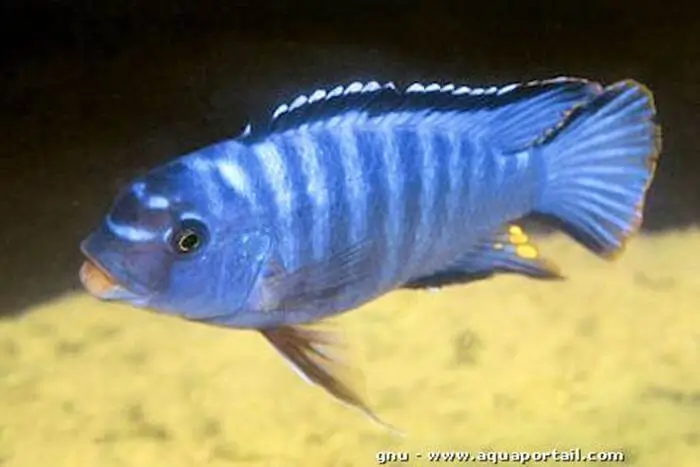
13,0 → 16,0 cm (> 300 L)
pH 7,5–8,5 | GH 10–25 | 23–27°C - Petrotilapia palingnathos
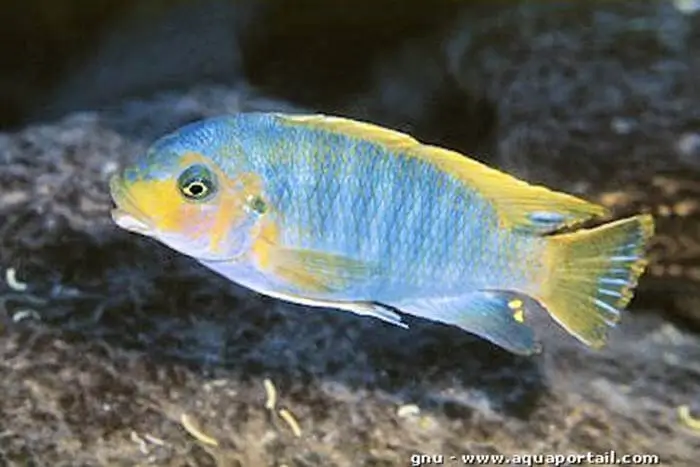
11,0 → 13,0 cm (> 450 L)
pH 8,0–9,0 | GH 10–25 | 24–26°C - Petrotilapia pyroscelos

10,0 → 15,0 cm (> 200 L)
pH 7,5–8,5 | GH 10–25 | 23–27°C - Petrotilapia tridentiger
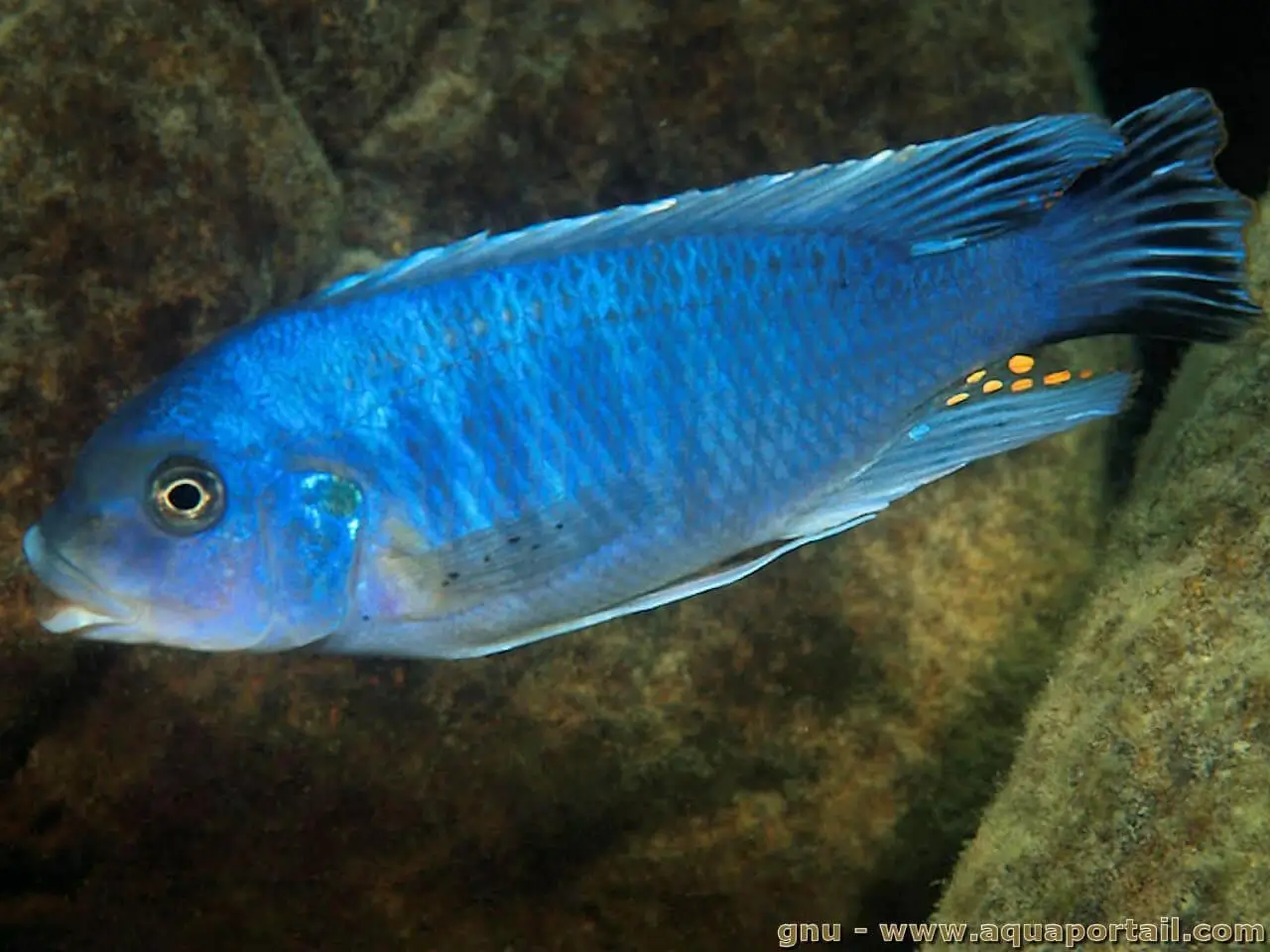
14,0 → 17,0 cm (> 800 L)
pH 8,0–9,0 | GH 10–25 | 24–26°C - Petrotilapia xanthos
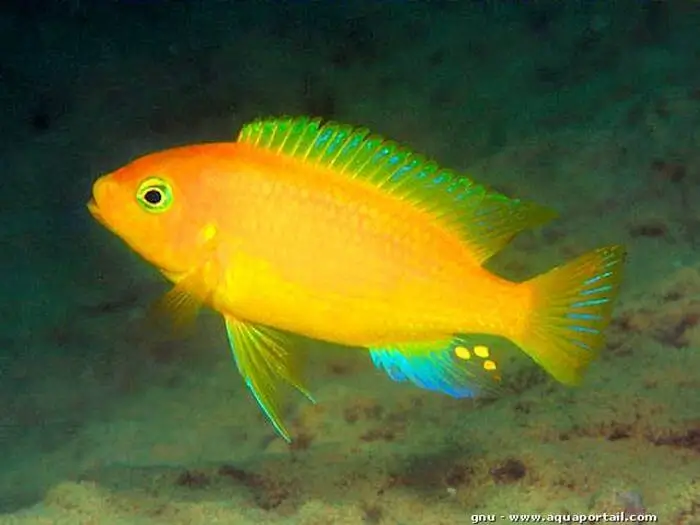
11,0 → 13,0 cm (> 200 L)
pH 7,5–8,5 | GH 10–25 | 23–27°C - Phago loricatus

14,0 → 17,0 cm (> 300 L)
pH 5,5–7,5 | GH 1–12 | 20–29°C - Phalloceros caudimaculatus

3,5 → 6,0 cm (> 80 L)
pH 7,0–8,0 | GH 10–20 | 20–25°C - Phenacogrammus aurantiacus
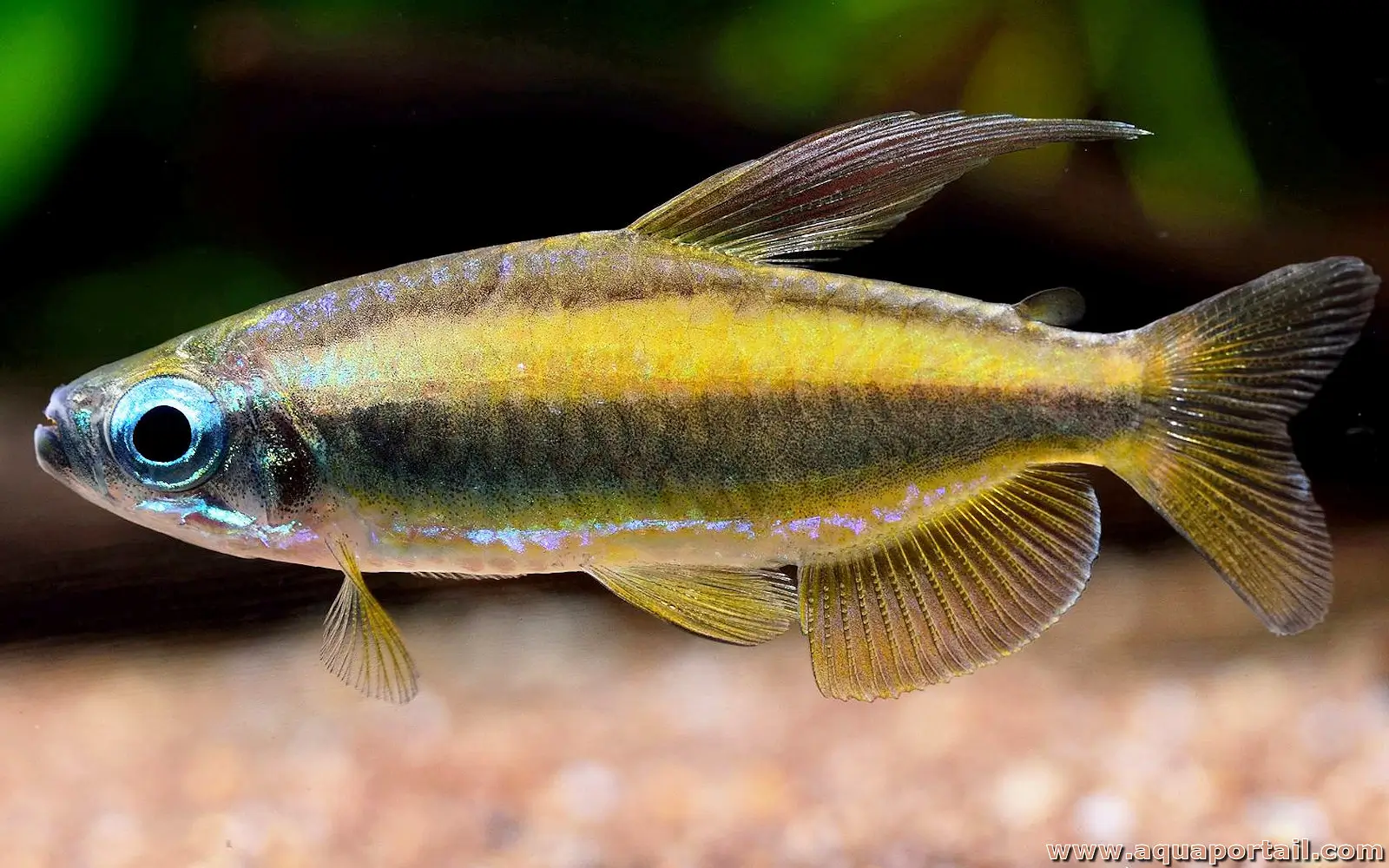
9,0 → 11,0 cm (> 200 L)
pH 5,0–7,0 | GH 3–12 | 22–28°C - Phenacogrammus bleheri
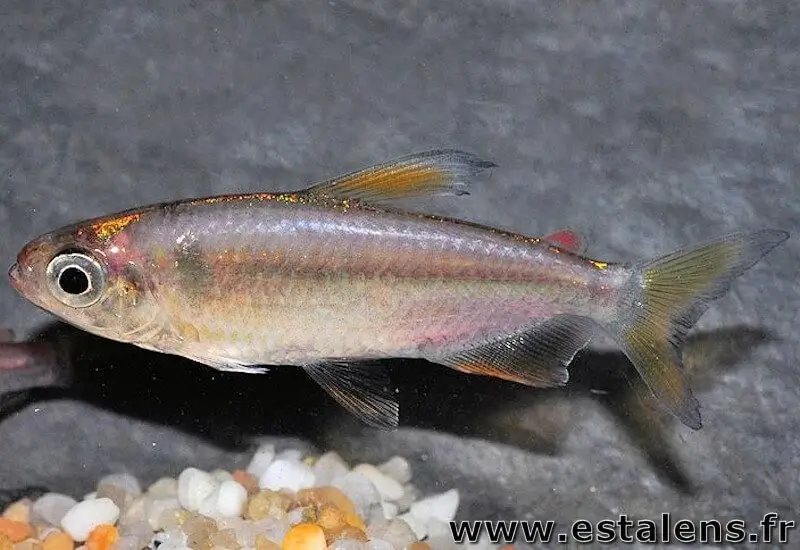
5,5 → 6,5 cm (> 120 L)
pH 5,5–7,0 | GH 3–10 | 23–28°C - Phenacogrammus interruptus
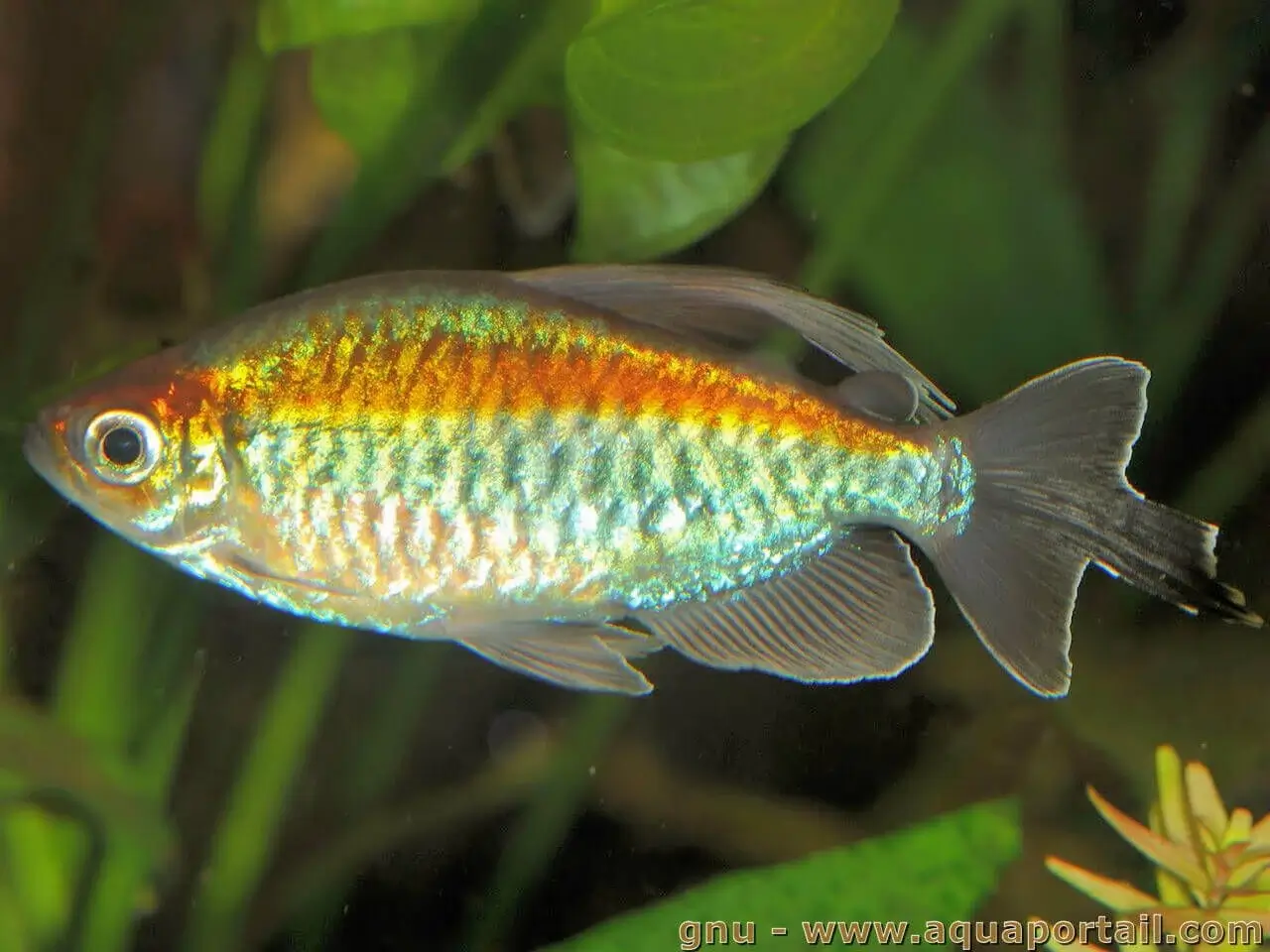
6,0 → 10,0 cm (> 200 L)
pH 5,0–7,5 | GH 3–12 | 23–27°C - Phenacogrammus major
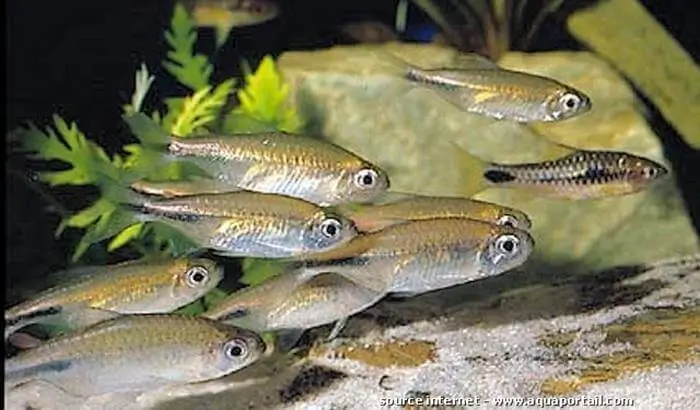
7,0 → 9,5 cm (> 200 L)
pH 6,0–7,0 | GH 3–10 | 22–26°C - Phenacostethus smithi
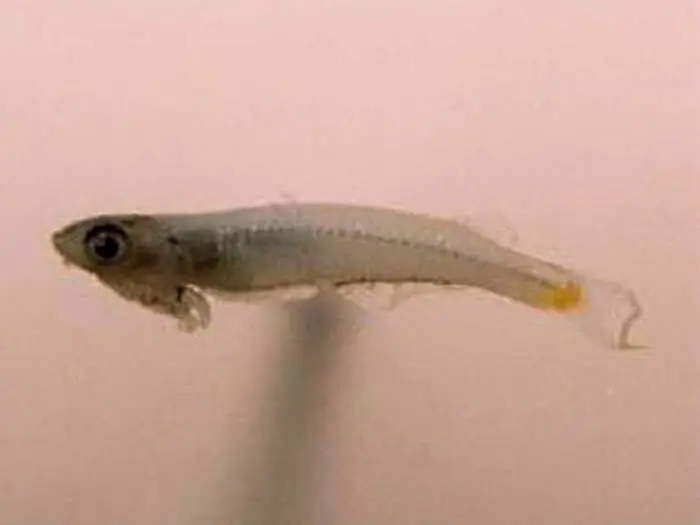
1,8 → 2,0 cm (> 20 L)
pH 7,0–8,5 | GH 10–30 | 23–27°C - Phractocephalus hemioliopterus
 Bagre cajaro, Guacamayo bagre, Pejje torre
60,0 → 135,0 cm (> 6000 L)
pH 5,5–7,0 | GH 3–10 | 20–30°C - Physoschistura chulabhornae

5,0 → 6,0 cm (> 120 L)
pH 6,0–7,0 | GH 3–10 | 23–26°C - Pimelodus albicans
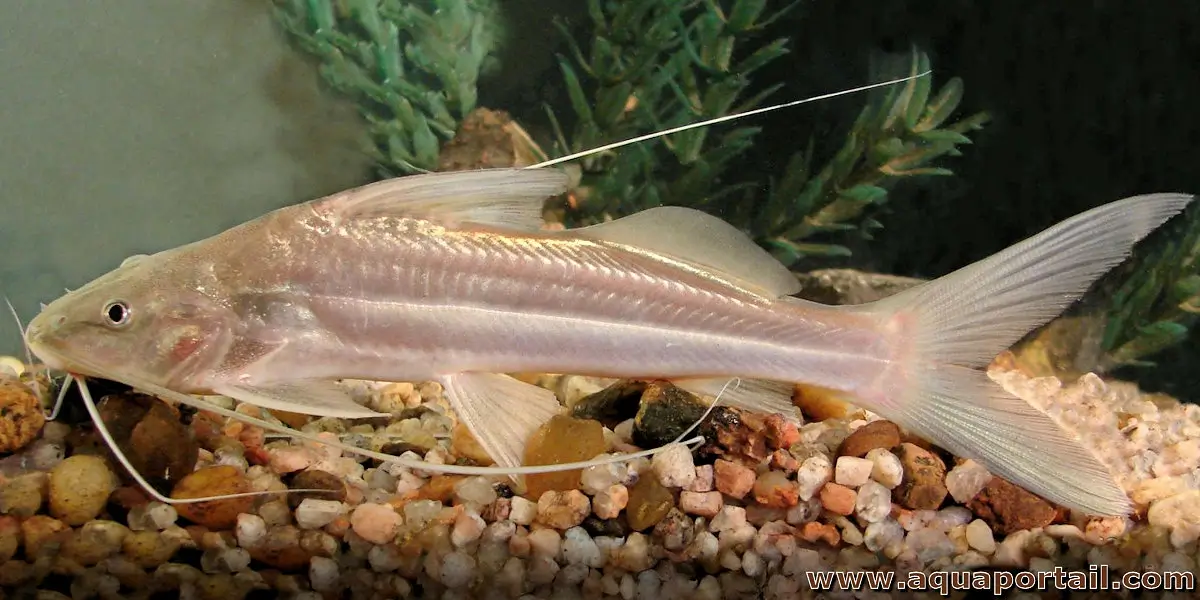 Bagre blanco, Moncholo
45,0 → 57,0 cm (> 1500 L)
pH 6,5–7,5 | GH 3–15 | 20–25°C - Pimelodus blochii

20,0 → 35,0 cm (> 800 L)
pH 6,0–7,5 | GH 3–10 | 20–26°C - Pimelodus maculatus
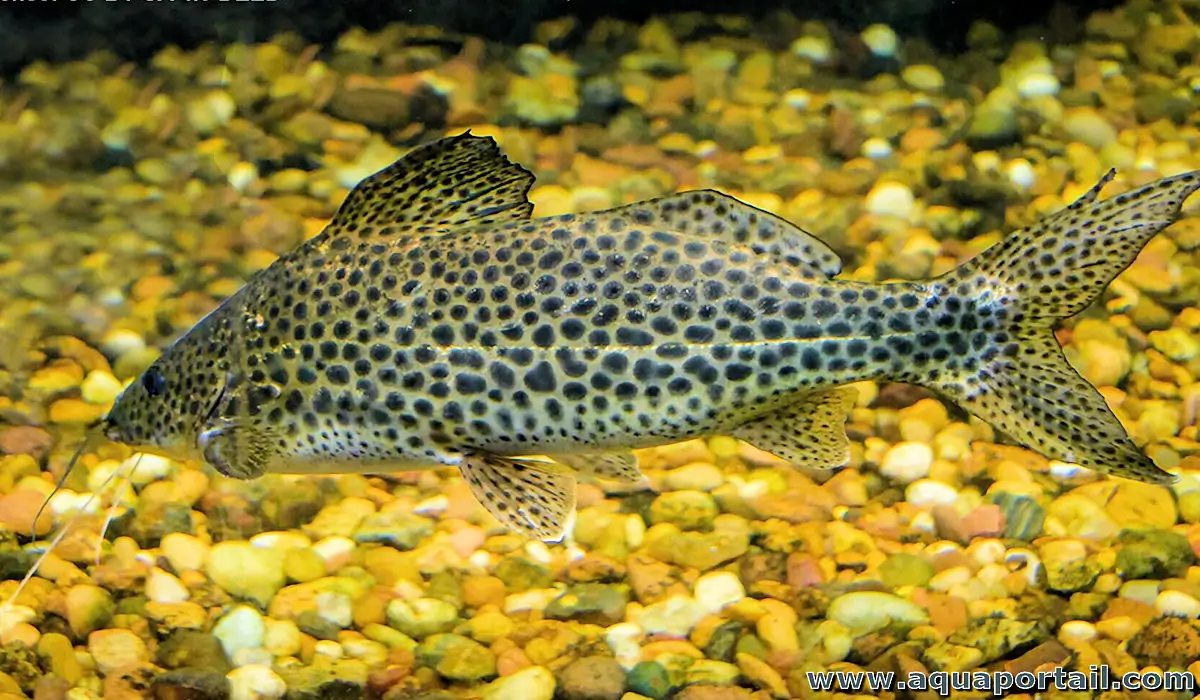 Bagre amarillo
36,0 → 51,0 cm (> 1500 L)
pH 6,5–7,5 | GH 3–15 | 20–24°C - Pimelodus pictus

9,0 → 11,0 cm (> 200 L)
pH 6,0–7,5 | GH 3–15 | 21–25°C - Pimelodus tetramerus

14,0 → 18,0 cm (> 450 L)
pH 6,0–7,5 | GH 5–12 | 21–26°C - Pimephales notatus
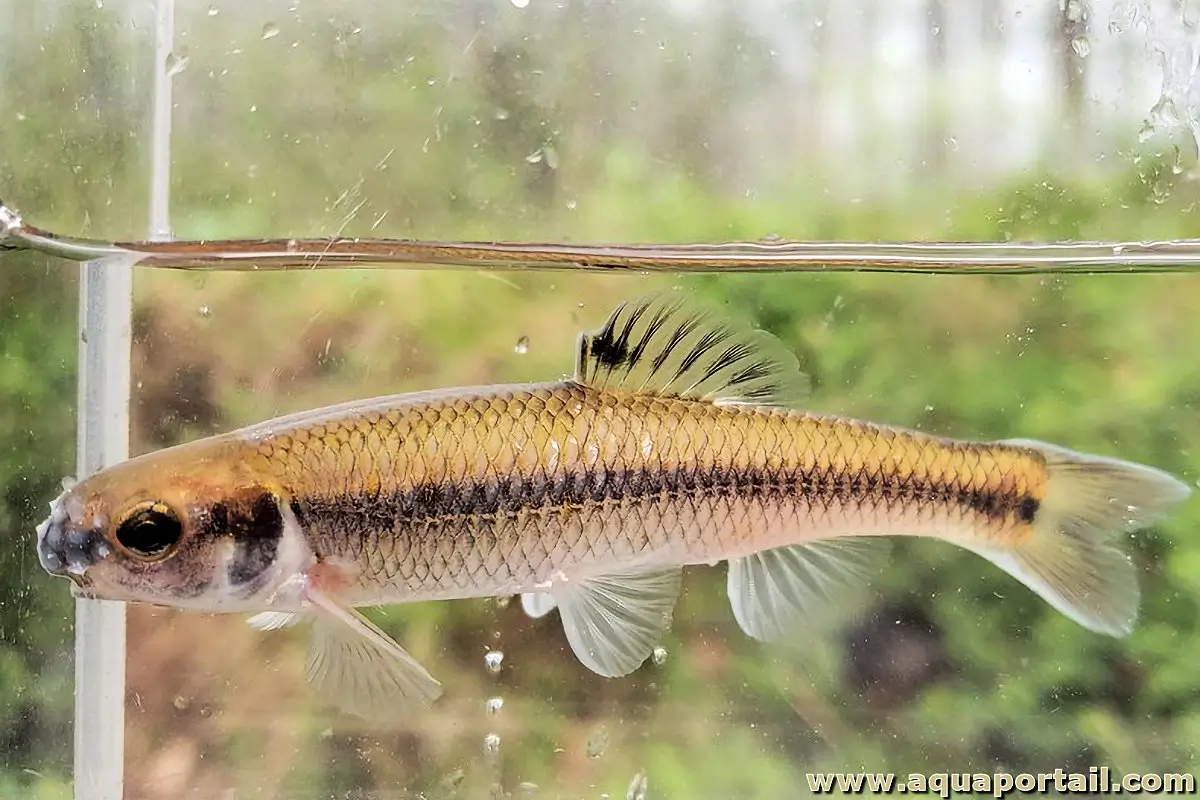
6,0 → 11,0 cm (> 200 L)
pH 6,0–7,5 | GH 3–12 | 0–33°C - Pimephales promelas

7,0 → 11,0 cm (> 200 L)
pH 6,5–7,5 | GH 5–15 | 10–21°C - Placidochromis electra

12,0 → 17,0 cm (> 450 L)
pH 7,5–8,5 | GH 10–30 | 24–26°C - Planiloricaria cryptodon
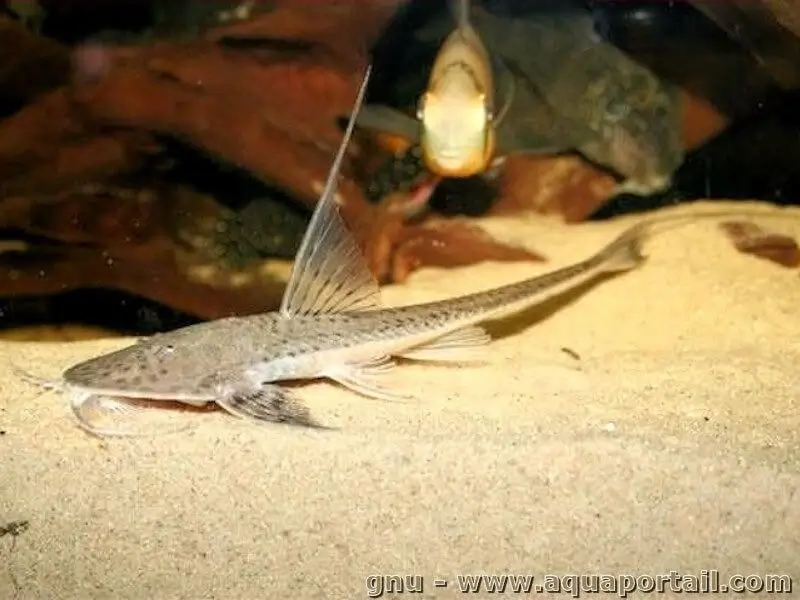
18,0 → 22,0 cm (> 450 L)
pH 6,0–7,5 | GH 3–8 | 22–28°C - Plataplochilus oslislyensis

5,0 → 5,5 cm (> 80 L)
pH 7,0–8,0 | GH 10–30 | 20–25°C - Plataplochilus terveri

3,5 → 4,5 cm (> 120 L)
pH 6,5–7,5 | GH 5–12 | 18–22°C - Platydoras armatulus
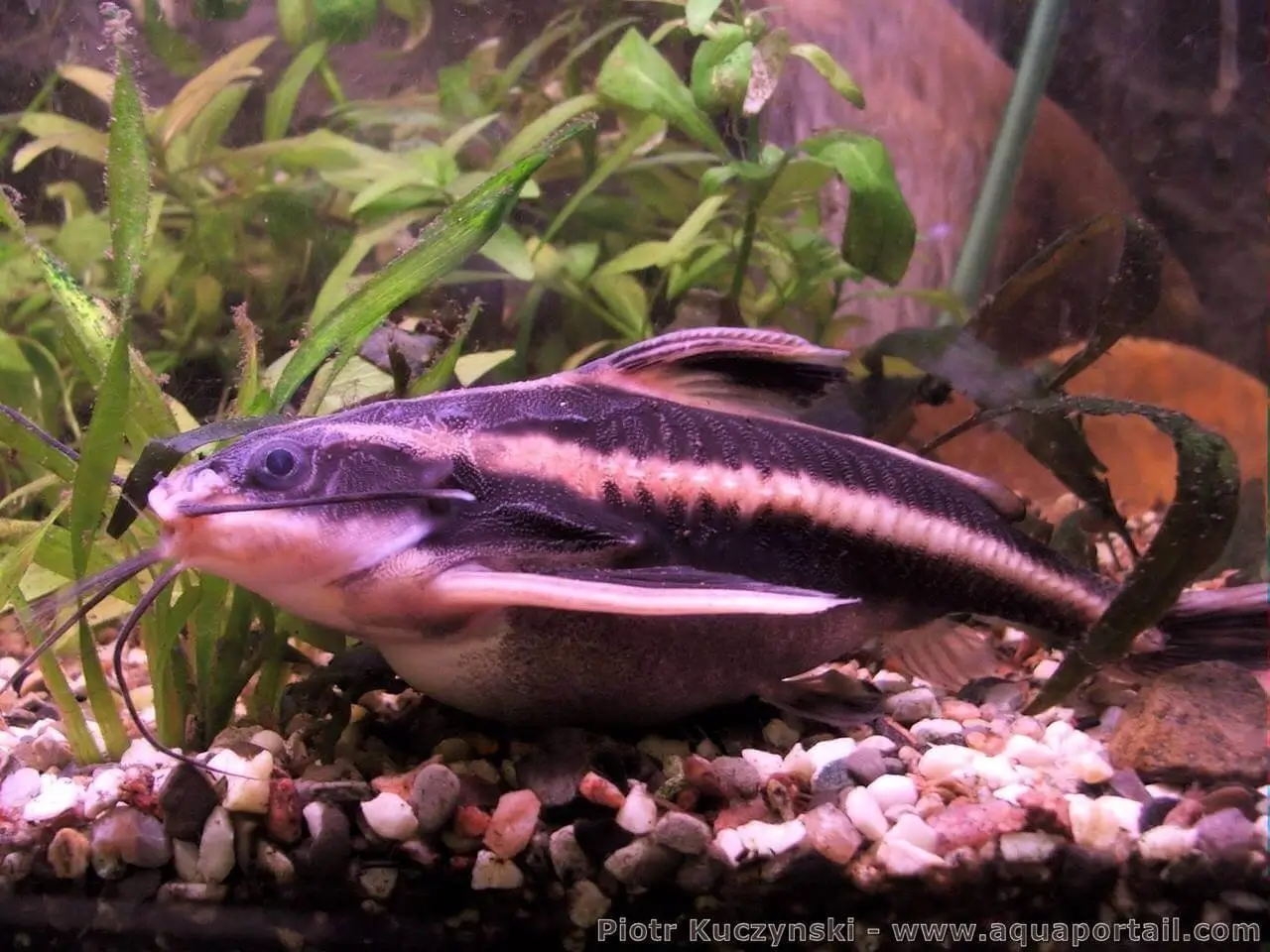
16,0 → 20,0 cm (> 300 L)
pH 5,5–7,5 | GH 2–20 | 23–29°C - Platydoras costatus
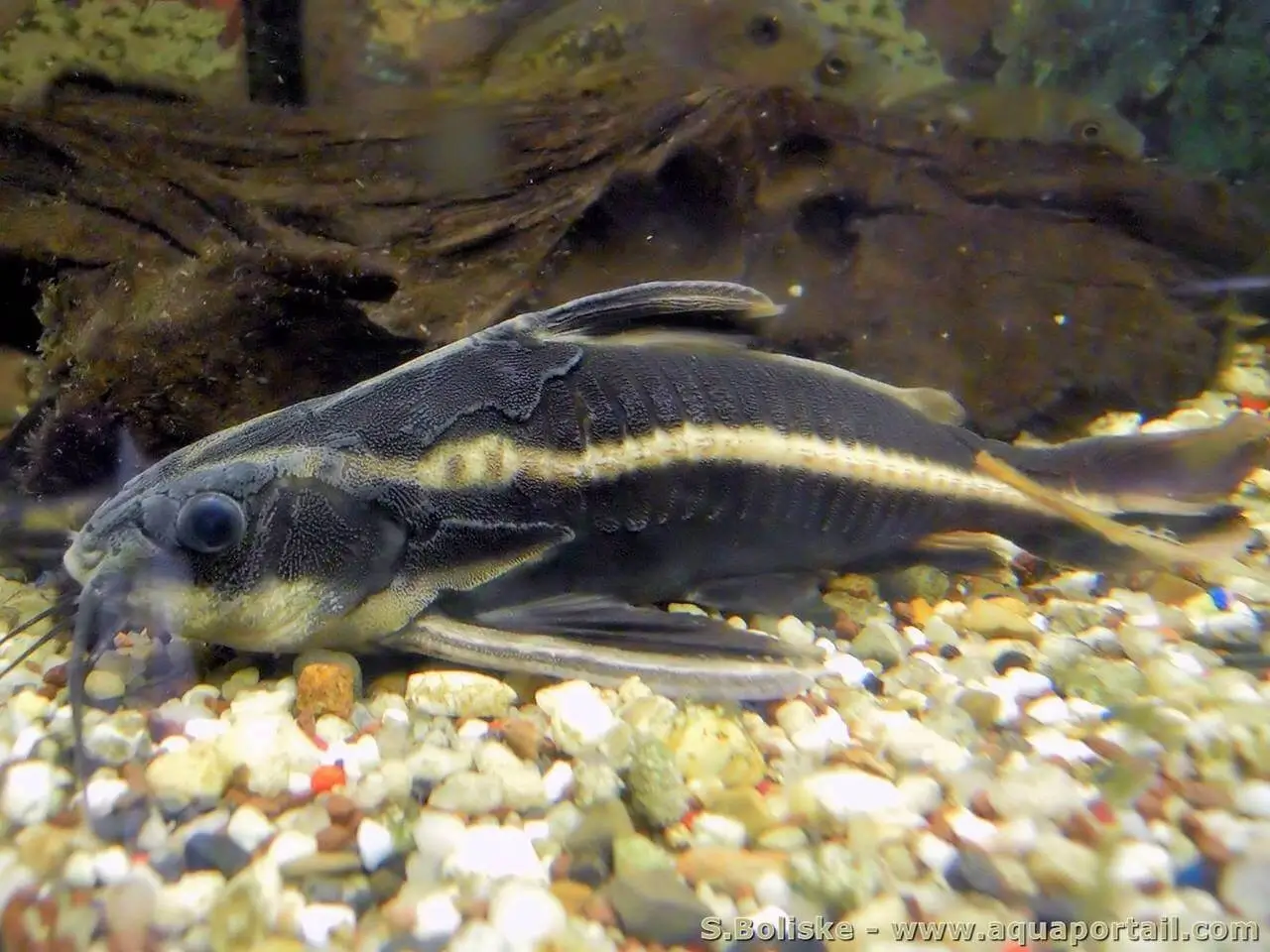
20,0 → 24,0 cm (> 300 L)
pH 5,5–7,0 | GH 3–15 | 24–30°C - Platydoras hancockii

12,0 → 16,0 cm (> 200 L)
pH 6,0–8,0 | GH 5–20 | 23–28°C - Poecilia amazonica
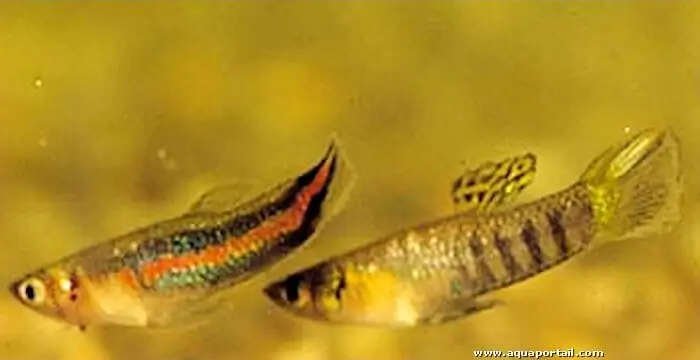
2,5 → 4,0 cm (> 20 L)
pH 7,0–7,5 | GH 5–10 | 24–28°C - Poecilia boesemani
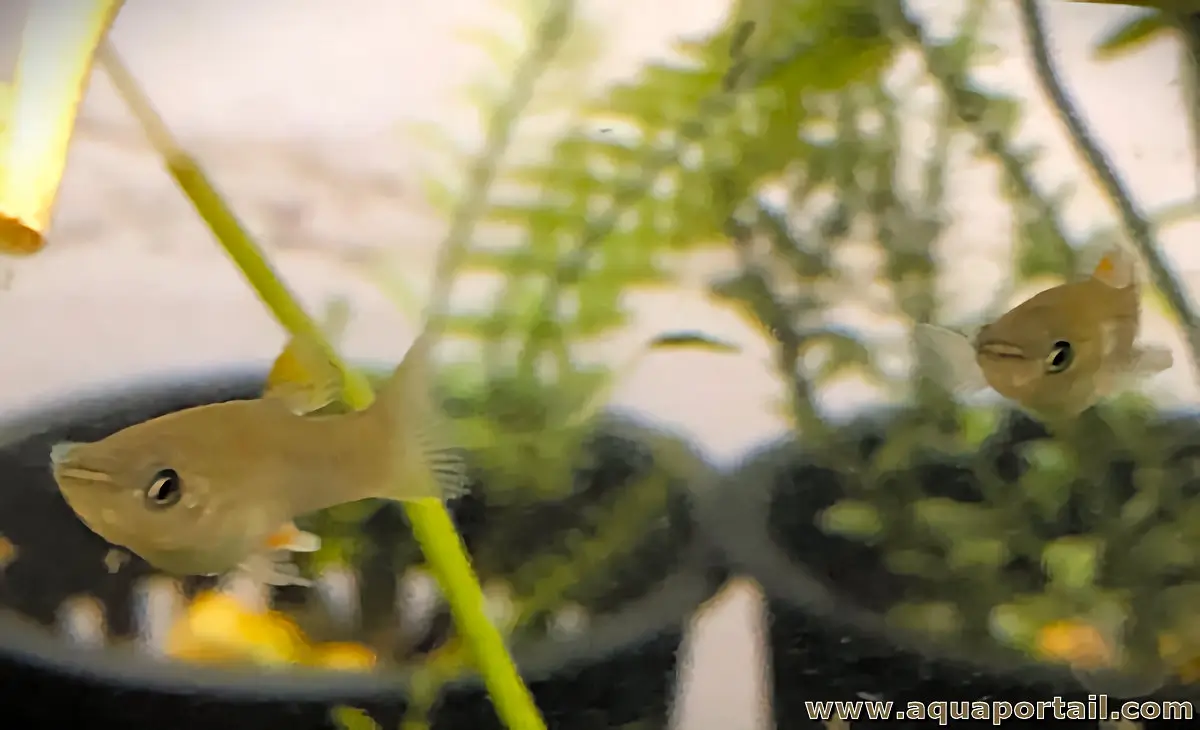
3,0 → 4,0 cm (> 80 L)
pH 7,0–7,5 | GH 8–15 | 24–28°C - Poecilia butleri
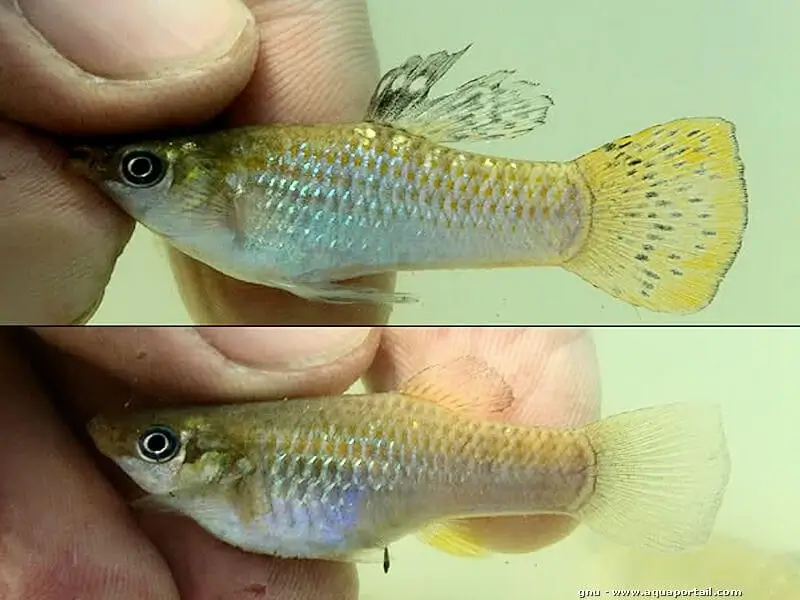
7,0 → 8,0 cm (> 200 L)
pH 7,0–8,0 | GH 5–20 | 23–27°C - Poecilia caucana
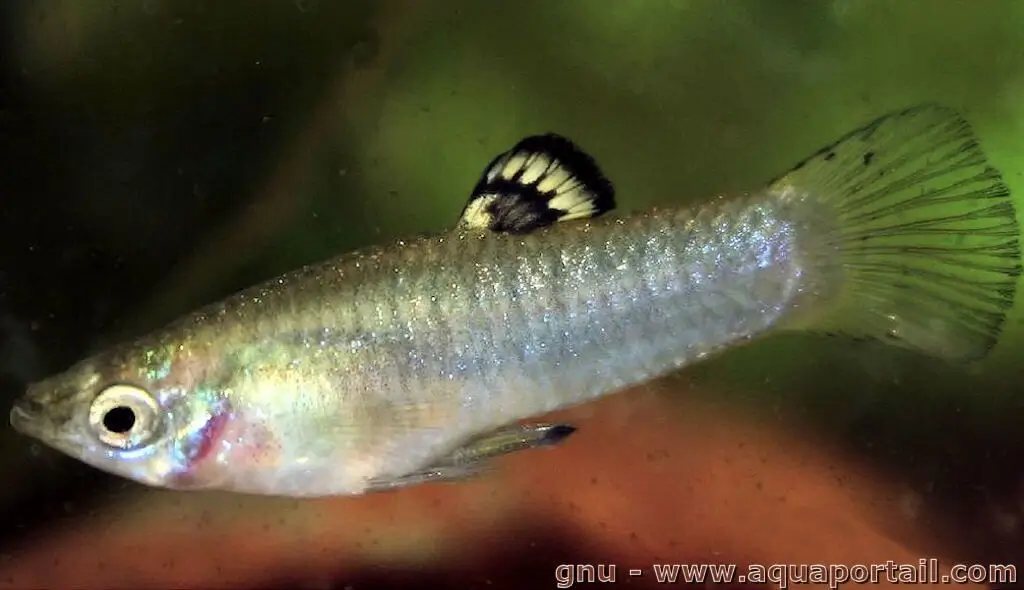
3,0 → 6,0 cm (> 50 L)
pH 7,0–7,5 | GH 8–20 | 26–30°C
Los datos biológicos de las especies indican el tamaño en cm y, si los valores son relevantes, otras características específicas.