
Introduction: Getting Started with a Marine Reef Aquarium
Introduction to marine aquarium keeping: before you start
Before getting started, heed this warning: setting up a marine aquarium triggers a major shift in human behavioral patterns. You will soon catch yourself gazing dreamily at your saltwater aquarium for hours on end, elbows propped on your knees and head resting in your hands...
You will find yourself calling the love of your life (or anyone at all!!!) in the middle of the night just to announce that you have spotted a tiny new polyp or a slender, fiery-red worm barely 1 mm long... Or you will admire your biotope display tank endlessly! You will stop buying new clothes or furniture because your tank truly needs that new light fixture or piece of gear...
In short, you are stepping into a multidimensional universe of pure passion—immoderately!
A marine aquarium without corals: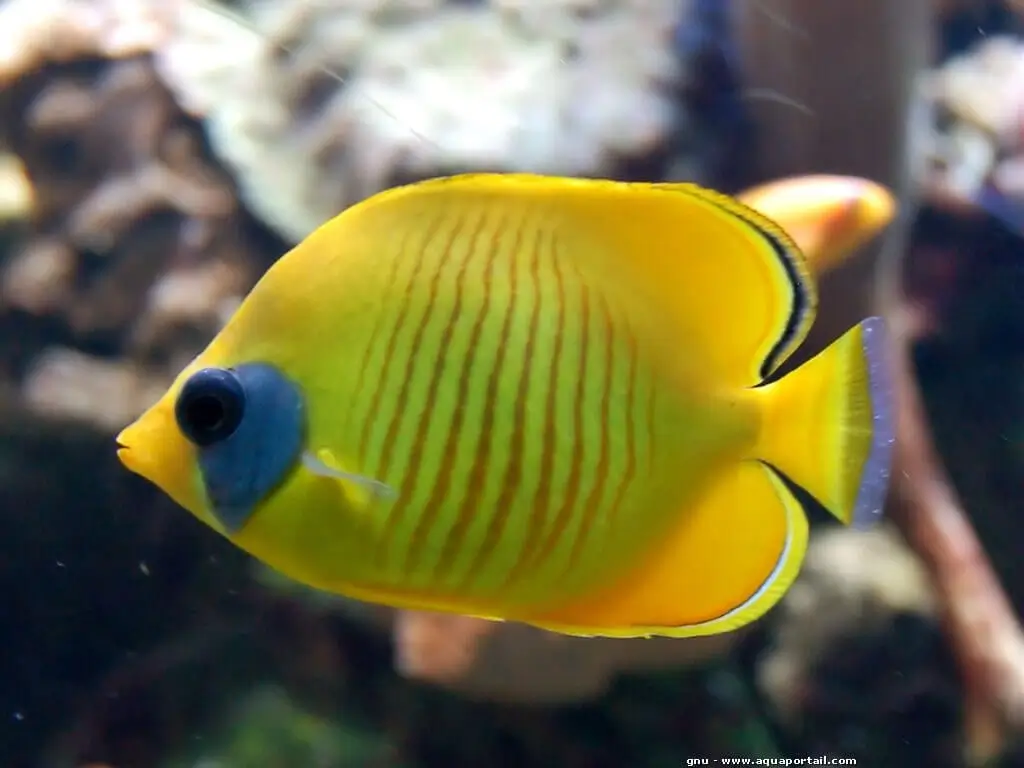
A marine aquarium can be dedicated simply to keeping saltwater fish without needing an entire armada of complex technology.
Gather all the marine aquarium advice you can
Marine aquarists routinely use many specialized abbreviations; you will find their definitions in the aquariology and biology glossary. The marine species guide provides valuable details on the biological needs of fish, corals, and invertebrates.
First and foremost, gather as much reliable advice as possible!
Often your very first source of information is your local fish store (LFS) or pet shop. Keep one basic rule in mind: retailers are businesses, not charities, and exist primarily to make money.
Whether thriving or struggling, some stores will try to sell you the priciest item (often unnecessary) or, more subtly, entry-level gear you will soon have to upgrade—creating a second sale for them and forcing you to tear down your aquascape.
And those are still the decent shops! Bad stores will sell you incompatible livestock, sick or unacclimated fish, or even specimens caught with cyanide. As professionals, they often know the fish will perish within days—yet who gets blamed? YOU, because your water parameters were off (any single imperfect reading proves their point) or your filter was deemed inadequate.
Before you know it, "you also need this UV-C sterilizer to stop marine ich" when proper quarantine and temperature management would have sufficed. Lacking confidence early on, you end up buying superfluous gear that pads the seller's wallet. Rule number one: BUYER BEWARE.
A second source of information is books. Unfortunately, many aquarium books lag behind current practice because they are outdated—often ten years old or more—while marine husbandry evolves rapidly (for example, the stunning Zanclus cornutus was once considered nearly impossible in the 1990s, whereas viable care methods exist today). Foundational biological principles rarely become wrong over time; they are simply refined.
Equipment technology, on the other hand, advances every single year. Books covering filters, protein skimmers, and lighting quickly become obsolete as new generations of hardware hit the market, so always double-check book recommendations against current practice. Recent aquarium magazines are more up to date, though back issues several years old carry the same limitations as older books.
A third, highly responsive source is live online discussion groups and marine forums. Dedicated reef forums offer a major advantage: experienced hobbyists sharing advice have no financial stake in what you buy and are generally impartial.
Still, beware of hobbyists hyping one brand over another—"I run skimmer YYY or pump ZZZ, it's the best gear on Earth!"—or boasting, "I've kept 10 twenty-five-centimeter angelfish and 24 damselfish in a 200-liter tank for 5 years, easy!"
Always ask whether they lived together at the same time or one after another! When multiple experienced voices converge on the same advice, trust them—unlike commissioned salespeople, they gain nothing beyond your thanks.
Local aquarium clubs and societies are another invaluable resource, offering hands-on help as well as advice. While the pool of specialists may be smaller than online, real-world mentorship is a huge asset you should not overlook.
As you gather information, always ask yourself: Does this make logical sense? Does it align with established literature? What do experienced online reefers say? Collect thorough details and decide what truly fits YOUR SPECIFIC SETUP. Even top online experts cannot know every detail of your particular tank.
The core fundamentals of marine aquarium keeping are well established and backed by broad consensus. Whenever in doubt, return to those proven basics, and treat any radical shortcut with healthy skepticism.
Deciding on the type of marine aquarium setup
Before buying any equipment, decide what type of marine system you want to build. Some argue that a Fish Only tank is easier because fish tolerate wider fluctuations in water quality and nutrients than reef corals—and that is broadly true (see below) compared to a full reef tank.
Others advocate simplified setups such as an eco-aquarium to save on hardware. Put this in perspective: a reef aquarium is slightly more demanding, yet vastly more rewarding and diverse, bringing a far deeper sense of accomplishment. Many hobbyists start with a Fish Only (F.O.) tank and soon want to upgrade to corals.
Upgrading later almost always means replacing your original hardware, because entry-level F.O. lighting and filtration rarely meet reef standards. Invest in equipment with the word "reef" in mind right from day one, even if you initially plan to keep only fish.
One final word: "budget." It cannot be repeated often enough that a saltwater aquarium—while the pinnacle of the aquarium hobby—is EXPENSIVE, VERY EXPENSIVE, especially compared to a freshwater setup.